New Delhi
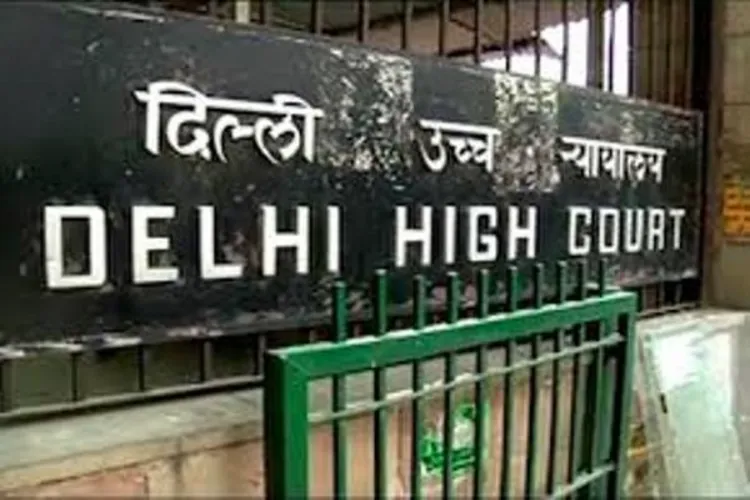
The Lokpal on Monday approached the Delhi High Court seeking an extension of time to reconsider, in accordance with law, whether sanction should be granted to the CBI to file a chargesheet against Trinamool Congress MP Mahua Moitra in the alleged cash-for-query case.
A bench comprising Justices Vivek Chaudhary and Renu Bhatnagar directed that the Lokpal’s application, which seeks an additional two months to comply with the court’s earlier directions, be placed before the appropriate bench on January 23.
Counsel appearing for the Lokpal submitted that the application was filed to seek an extension of the timeline granted by the court for deciding the issue of sanction.
Observing that the plea effectively sought a modification of the earlier order, the bench said the matter should be listed before the bench that had passed the original direction.
On December 19, 2025, the Delhi High Court had quashed the Lokpal’s November order granting sanction to the CBI to file a chargesheet against Moitra. The court had directed the Lokpal to reconsider the issue under Section 20 of the Lokpal and Lokayuktas Act strictly in accordance with statutory provisions, within one month.
In that ruling, a bench of Justices Anil Kshetarpal and Harish Vaidyanathan Shankar noted a “clear departure” from the procedure mandated under the Act and held that the Lokpal had erred in its interpretation of the law.
The case relates to allegations that Moitra raised questions in Parliament in return for cash and gifts from businessman Darshan Hiranandani.
The CBI had submitted its report to the Lokpal in July 2025 after registering an FIR on March 21, 2024, under provisions of the Prevention of Corruption Act, following a reference from the Lokpal.
ALSO READ: India to construct a mega project for endangered one-horn Rhinoceros in Kanziranga
The agency has alleged that Moitra engaged in corrupt practices, including accepting bribes and sharing her Lok Sabha login credentials, actions it claims compromised parliamentary privileges and posed national security concerns.














_(1).webp)