.webp "Tanseem Khan, Writer-Journalist")
Onika Maheshwari /New Delhi
Coming from a small town and making a mark on the national scene, writer-journalist Tasneem Khan brings women’s concerns to the forefront through her journalism and literature. Her narratives are sensitive, clear, and attempt to offer solutions. Her writing and television programmes do more than narrate women’s struggles; they challenge social mindsets and inspire change.
Here are excerpts from an exclusive conversation with her:
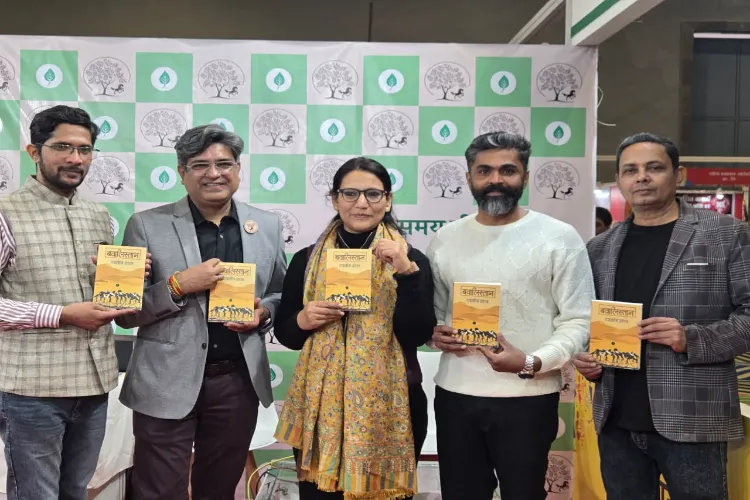
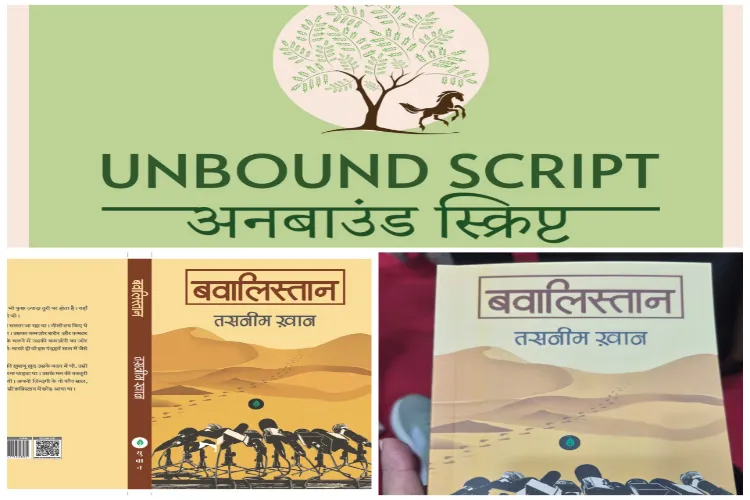
Let’s begin with Bwalistan. What is it about?
Bwalistan is a collection of stories rooted in Rajasthan, particularly its desert life. These stories belong to a distinct literary tradition that deeply portrays the complexities and struggles of life in the Thar Desert. Rajasthan’s desert is not just a physical landscape—it is defined by its people, culture, traditions, and way of life, all of which give it a unique identity.
Coming from a small town, it isn’t easy to make a mark in journalism and literature. How did your journey begin?
A: It’s true that paths have never been easy for women. I come from Didwana tehsil in Rajasthan’s Nagaur district. Though I grew up in a small town, my parents were educated, and our home had a culture of reading and learning. My mother’s love for books shaped me deeply. Growing up among books sharpened my ability to think, debate, and reason. I also won several awards during my school and college years.
When did you choose journalism as a career?
I formally entered journalism in 2005. From the very beginning, I was drawn to women-centric issues. I consistently wrote on gender sensitivity, domestic violence, and women’s social rights. For me, journalism is not just about reporting news; it is about engaging in dialogue with society.
Your television programmes gained special recognition. Could you tell us about them?
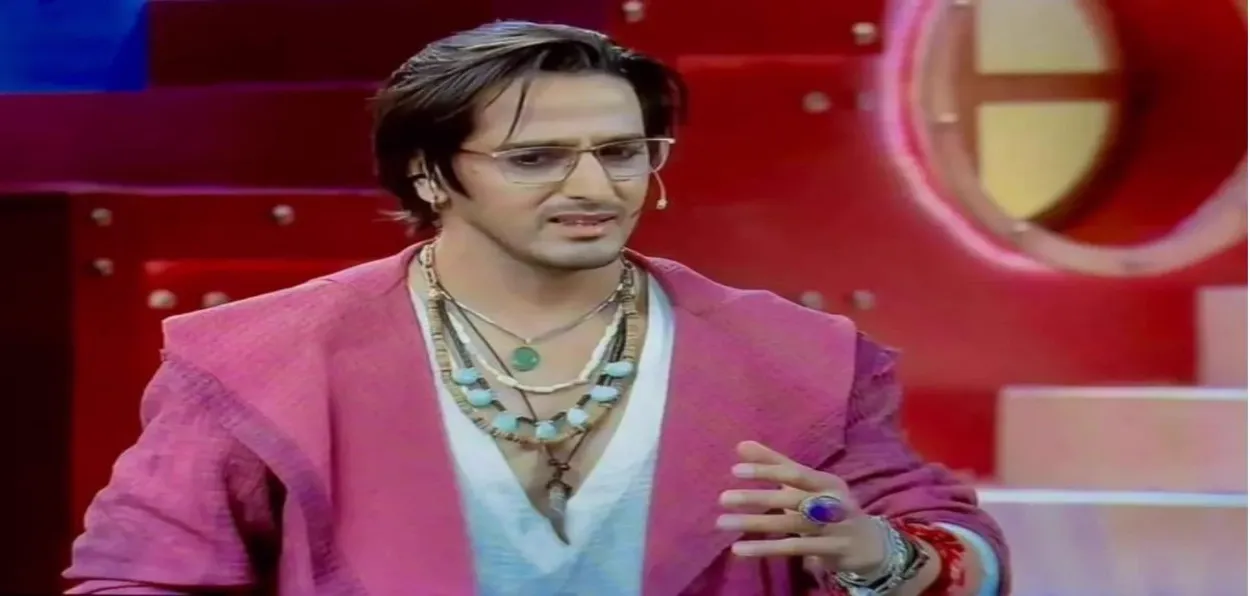
A: I hosted a programme called Samar Shesh Hai, which discussed women’s social and political concerns. Later, my regular show on Patrika TV, Aadhi Duniya, Poori Baat – with Tasneem Khan, became quite popular. The aim was to present women not merely as victims, but as thinking, reasoning individuals.
For which report did you recently receive the Ladli Media Award?
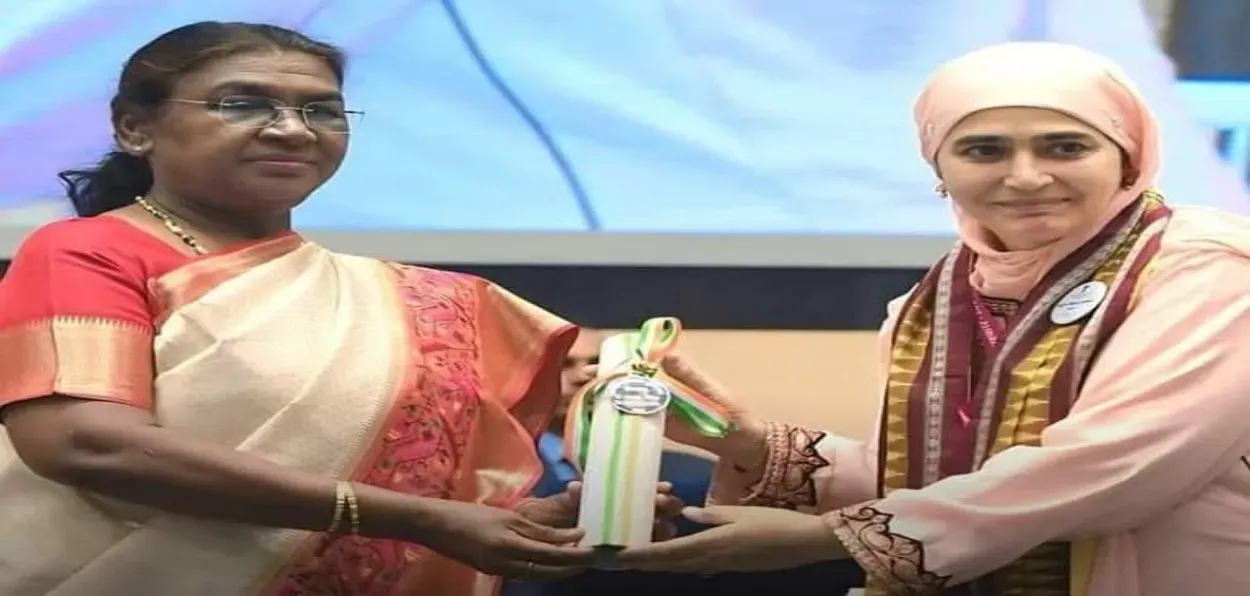
I received the award for my show “When Will Domestic Violence Go into Lockdown?”, presented by Population First and UNFPA. The jury felt the report exposed a harsh truththat during lockdown, women faced another terrifying pandemic inside their homes: domestic violence.
Your writing focuses less on complaints and more on solutions. How did this approach develop?
I don’t want to merely describe women’s pain. I believe writing should point toward solutions. If even one woman finds a way forward through my work, I would consider my life meaningful.
You began novel writing in 2015. How special is Mere Rehnuma to you?
A: Mere Rehnuma is extremely close to my heart. Published by the Jnanpith Trust, it was selected in a young writers’ competition. I became the second woman writer from Rajasthan whose debut novel was published by Jnanpith. Through this novel, I tried to establish that women’s empowerment cannot come through financial independence alone without a change in social mindset, empowerment remains incomplete.
Research has been conducted on this novel. How did that feel?
A: It was a matter of great pride that Mere Rehnuma became the subject of PhD and MPhil research. It reaffirmed my belief that my writing has connected at both academic and social levels.
Could you tell us about your other works and awards?
A: My short story collection Dastaan-e-Hazrat Mahal was published in 2019 and earned me the Chandrabai Award. In 2021, I received the Shakuntalam Award from the Rajasthan Progressive Writers’ Association. My stories have been translated into several languages. Rukh-e-Gulzar was translated by the Indian Translation Council, while The Blue of Silence was published in a Pakistani Urdu magazine and won the Mirror Award. My story My Share of Moonlight will soon appear in a collection by Oxford University Press.
What is your writing process like?
I observe people around me very closely their characters, pain, and struggles shake me from within. Until that restlessness finds words, I find no peace. That unrest gives birth to my stories.
What role did your parents play in your life?
My parents have been my greatest support. At difficult turns, they always encouraged me. I firmly believe parents’ education plays a decisive role in shaping a child’s future. I have seen many girls unable to move ahead simply because their parents did not value education.
The heroine of Mere Rehnuma is in search of liberation. How do you view this liberation?
A: For me, liberation is not just personal; it is social. Until society learns to accept strong women, their freedom will remain incomplete. If my writing can guide even one woman in this direction, that will be my greatest achievement.
You recently interacted with readers during the ‘Chaturang #LockdownLive’ session on Facebook. How was that experience?
The Rajasthan Forum organised the session. I spoke openly about my education, career, and literary journey. I emphasised that becoming a writer requires years of preparation, deep reading, and psychological analysis of society. I also read excerpts from my novel Ai Mere Rehnuma. The interaction was deeply personal and immensely inspiring for me.
ALSO READ: 'Deen aur Duniya' podcast debuts with Najib Jung on Indian Muslim identity
Tasneem Khan’s journey shows how words, when driven by empathy and purpose, can challenge patriarchy, reshape thought, and quietly spark a revolution, one story at a time.
.webp "Union Home Minister Amit Shah")