

New Delhi
Throughout Indian history, Sufis have worked to unite people. While following their faith, they maintained a relationship of love and respect with followers of other religions. Dr Muhammad Abdul Hakeem Azhari, a prominent Islamic scholar and Chief Imam of the Grand Mosque of Calicut, said this in an interview.
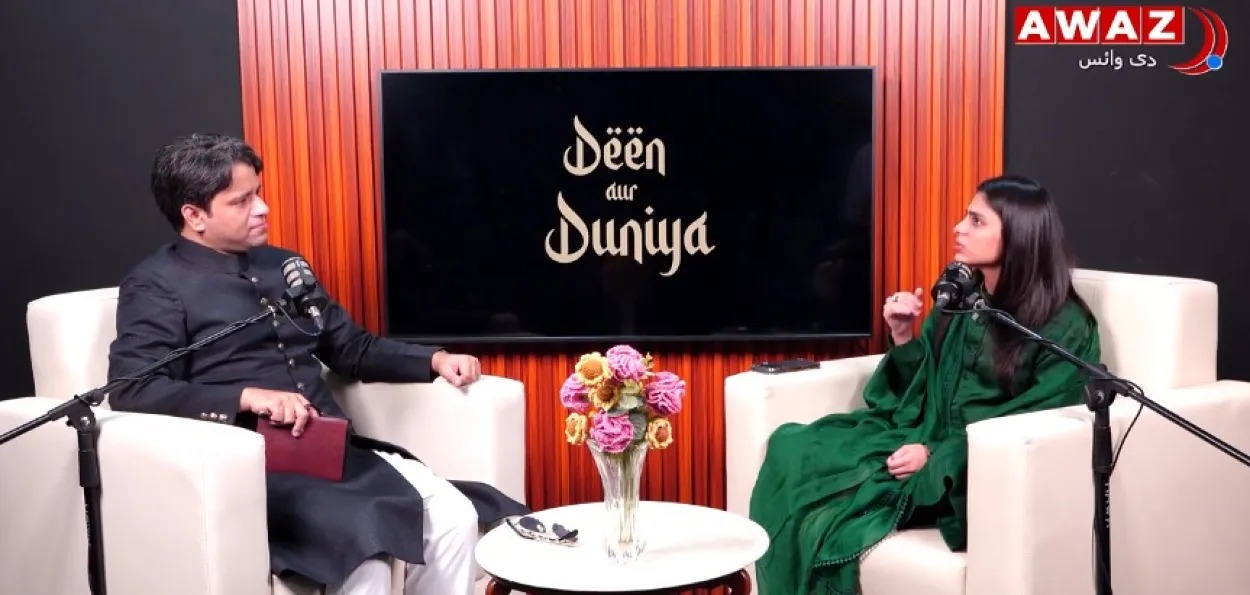
In an exclusive conversation with Awaaz Editor-in-Chief Atir Khan, he said that there are many examples in Kerala and North India where people of different religions have been living as neighbours, respecting each other. "Instead of promoting hatred, there is a need to spread the narrative of love," he said.
Dr Muhammad Abdul Hakeem Azhari, along with his father, Grand Mufti Sheikh Abu Bakr, who heads the All India Sunni Jamiyyathul Ulama. Ahmed met the Prime Minister on the eve of Ramadan, the holy month when Muslims observe a dawn-to-dusk fast. The idea behind the meeting was to spread the message of humanity and mutual harmony in the country.
Dr Muhammad Abdul Hakeem Azhari and others briefed Prime Minister Narendra Modi on their 16-day Yatra for Humanity across Kerala. During the Yatra, they held meetings meetings of different communities were held. The Muslim leaders communicated with people of all communities to send a message of communal harmony
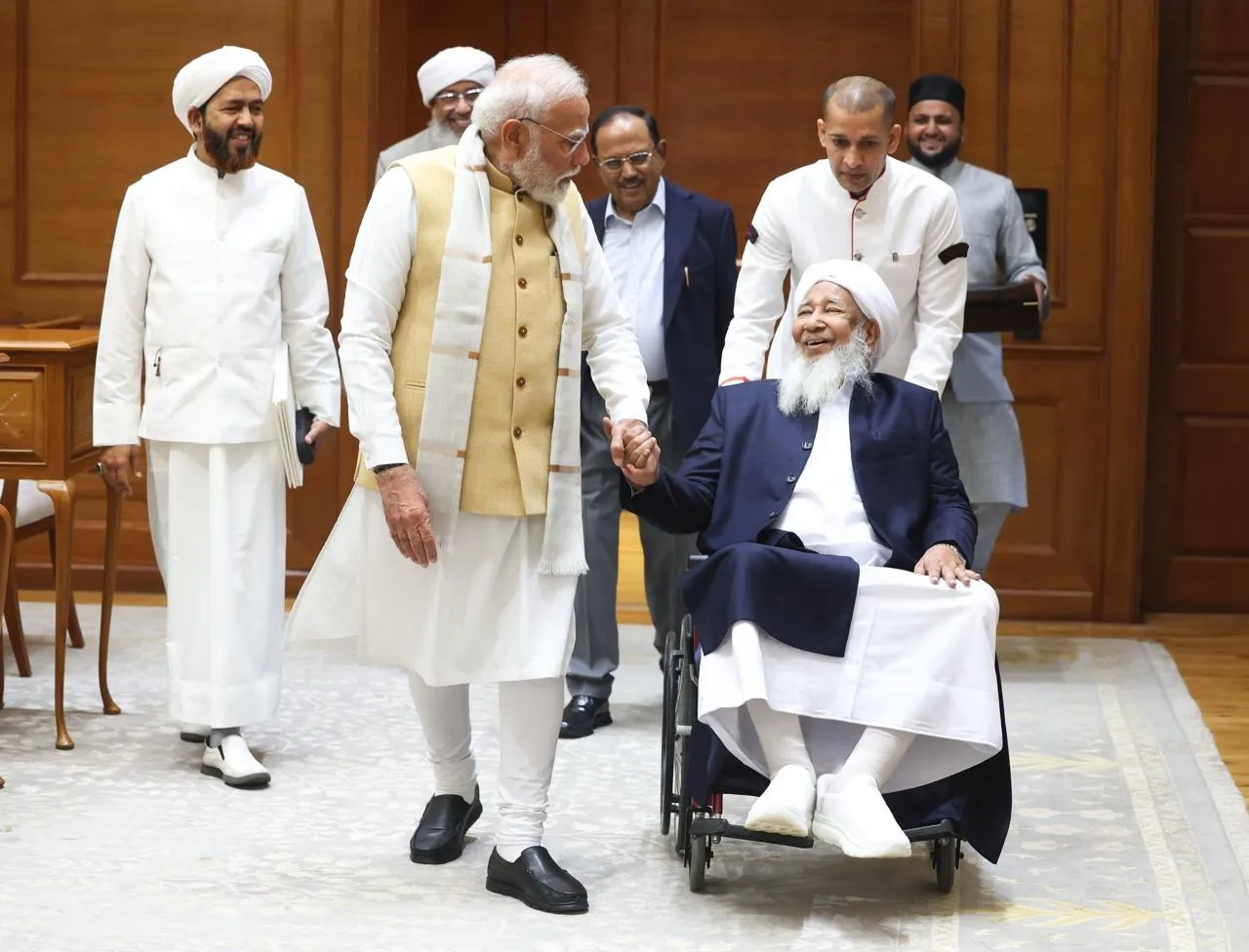
Dr Muhammad Abdul Hakeem Azhari (left) with Prime Minister Narendra Modi and Grand Mufti Sheikh Abu Bakr
The leaders also presented the problems flagged by different communities of Kerala to the Prime Minister and proposed ideas for strengthening social harmony.
He said his father had established the Jamia Markaz Thaftaf Sunyia 48 years ago. This institution imparts education from the primary to medical college, law college, engineering college and other modern departments. This institution has since spread to 20 states across the country.
According to Dr Azhari, the real need is to incorporate new missions and modern management systems into the structure of existing institutions so that a blend of religious and contemporary education can be established as a curriculum.
He emphasised that Islam is not limited to worship alone but also encompasses human welfare, education, industry and economic development.
He said that scholars should not work individually but with collective consultation. In Kerala, there is a Shura system consisting of forty scholars, where fatwas and important announcements are issued only after mutual consultation.
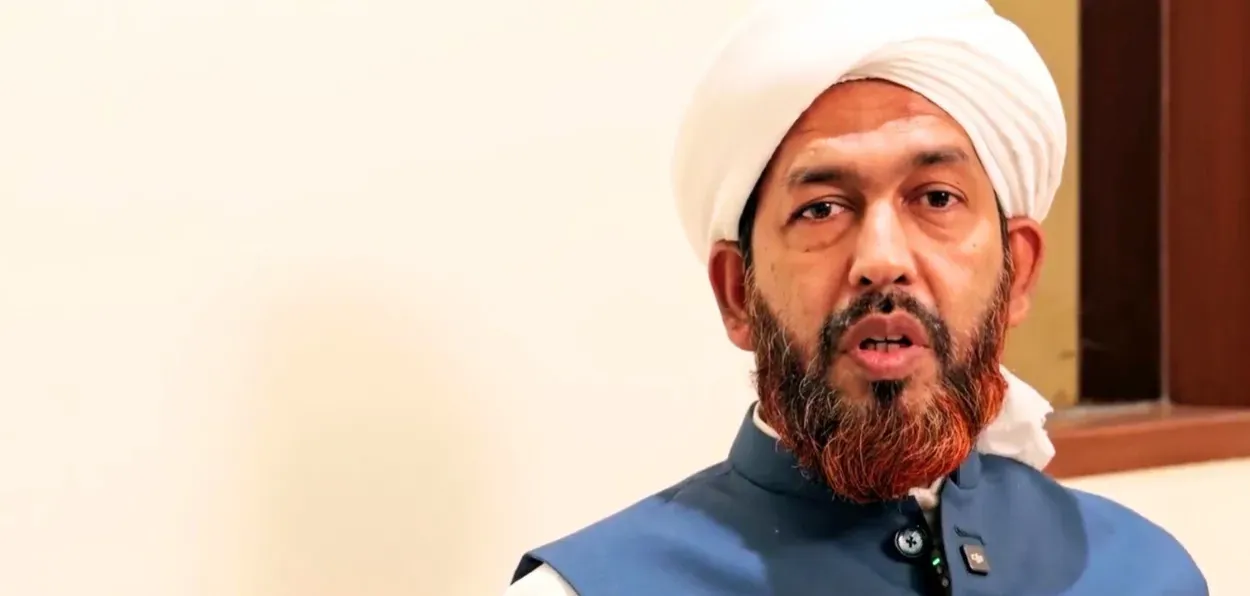
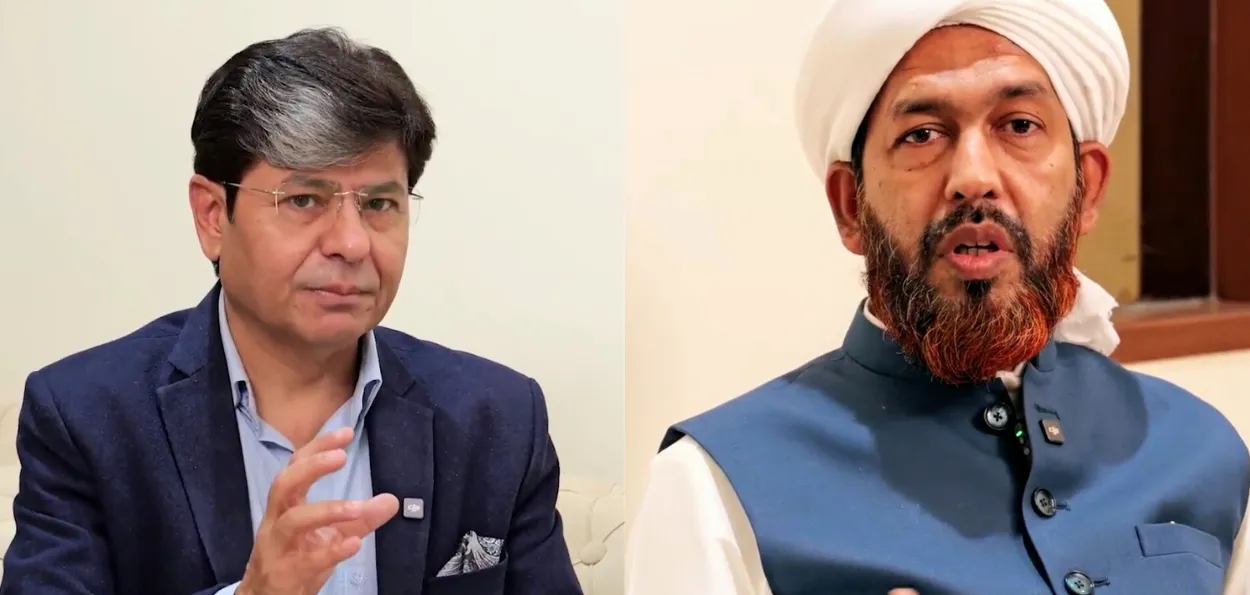 Atir Khan and Dr Muhammad Abdul Hakeem Azhari
According to him, in the era of social media, instead of presenting his own opinion, everyone should turn to authentic and responsible scholars because not every bearded person is a scholar and authenticity must be checked.
He explained the historical background and said that before the British era, madrasas were the centres of higher education where mathematics, philosophy, geography and other sciences were also taught.
He said that this balance was affected by the arrival of the British. Today, we need to include modern sciences again in madrasas. The medical, law and technology institutions in the Knowledge City are a practical example of this thinking, and all these institutions are open to all classes.
ALSO READ: Bangladeshi voters show culture and language bind them more than religion
Dr Azhari said that extremism is not the message of any religion. Every religion has some elements in its name, but the real teachings are of peace and humanity. He stressed that the message of Islam should be heard only from authentic scholars and that no immediate reaction should be given to any statement without research.