Amir Suhail Wani
The arrival of Ramzan in Kashmir has historically carried meanings far deeper than the beginning of a calendar month. It has been welcomed as a season of inward reflection, ethical renewal, social compassion, and cultural continuity shaped by the Valley’s long tradition of spiritual pluralism. While fasting remains the central Islamic observance, the manner in which Ramzan has been culturally received in Kashmir reflects a layered civilisational experience where faith traditions, mysticism, and shared social values have intersected for centuries.
At the theological core of Ramzan lies the practice of fasting as taught by Prophet Muhammad, emphasising humility, restraint, empathy for the poor and moral self-discipline. Yet in Kashmir, these teachings encountered an already vibrant spiritual milieu shaped by Shaiva philosophy, Buddhist contemplative traditions, and indigenous ascetic practices. Rather than creating rigid boundaries, this interaction gradually produced a composite ethos in which Islamic observances, including Ramzan, were often perceived through a broader spiritual lens that valued simplicity, introspection, and compassion — qualities deeply embedded in Kashmiri cultural consciousness.
A crucial role in this synthesis was played by Sufi saints, most notably Mir Sayyid Ali Hamadani, whose arrival in the fourteenth century profoundly influenced Kashmir’s religious and cultural landscape. Beyond preaching Islam, he encouraged ethical living, artisanal skills, intellectual pursuits, and social responsibility. Under such influences, Ramzan in Kashmir gradually came to be understood not merely as ritual fasting but as a period for moral refinement, reconciliation, and collective welfare.
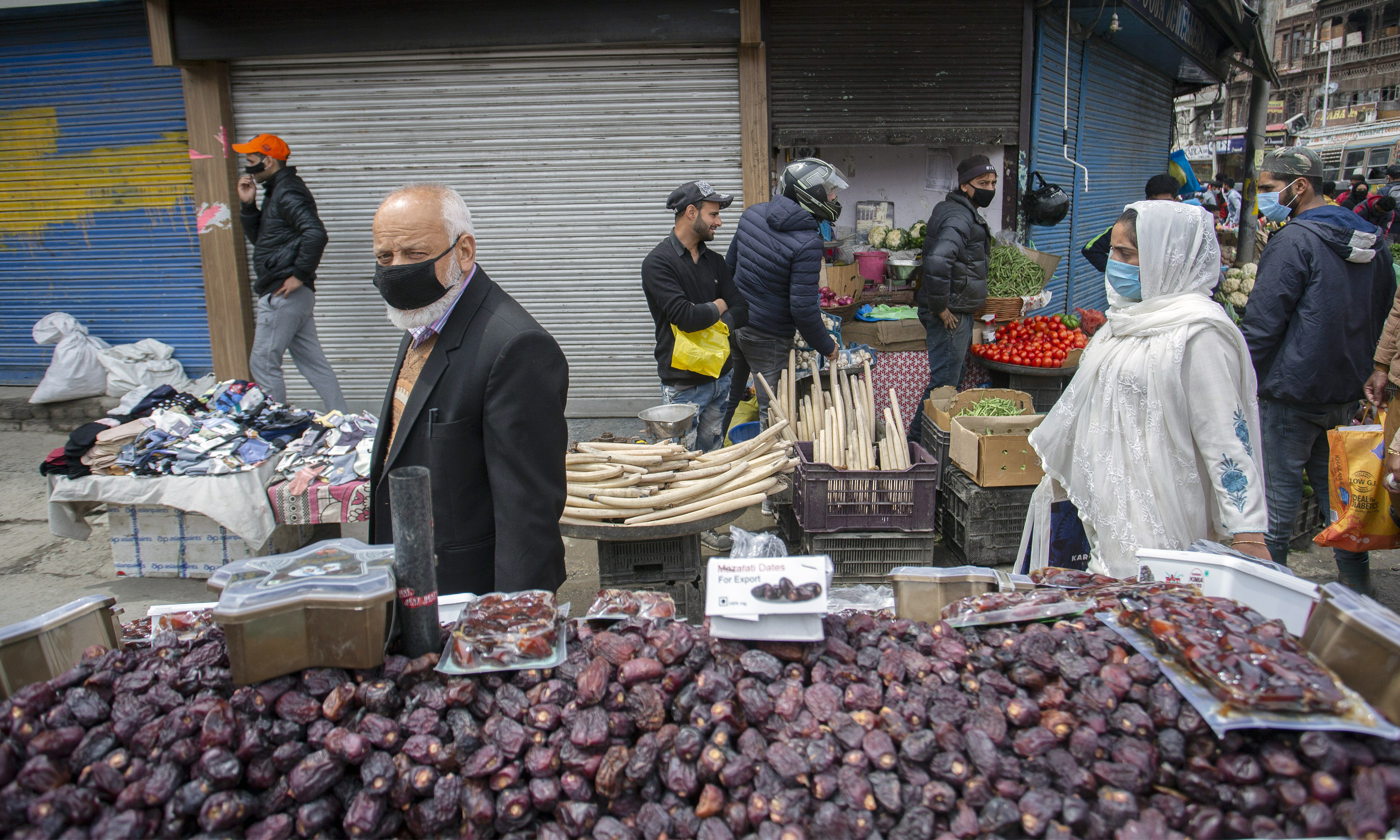 Dates and Lotus roots are popular foods during Ramzan in Kashmir
The Sufi emphasis on inner transformation resonated strongly with local spiritual sensibilities, allowing the month to acquire a distinctive contemplative character.
Equally significant was the indigenous Rishi–Sufi tradition represented by figures such as Lalla Ded and Sheikh Noor-ud-din Noorani. Their teachings, poetry, and example articulated a spiritual humanism that transcended formal religious divisions. Lalla Ded’s mystical verses spoke of inner awakening beyond ritual boundaries, while Noor-ud-din Noorani emphasised simplicity, tolerance, and ethical conduct.
Their influence created an atmosphere in which religious observances, including Ramzan, were often framed within a shared cultural ethic rather than exclusive communal identity. Historically, mutual respect across communities during the fasting month — whether through adjusted social interactions or gestures of goodwill — reflected this syncretic ethos.
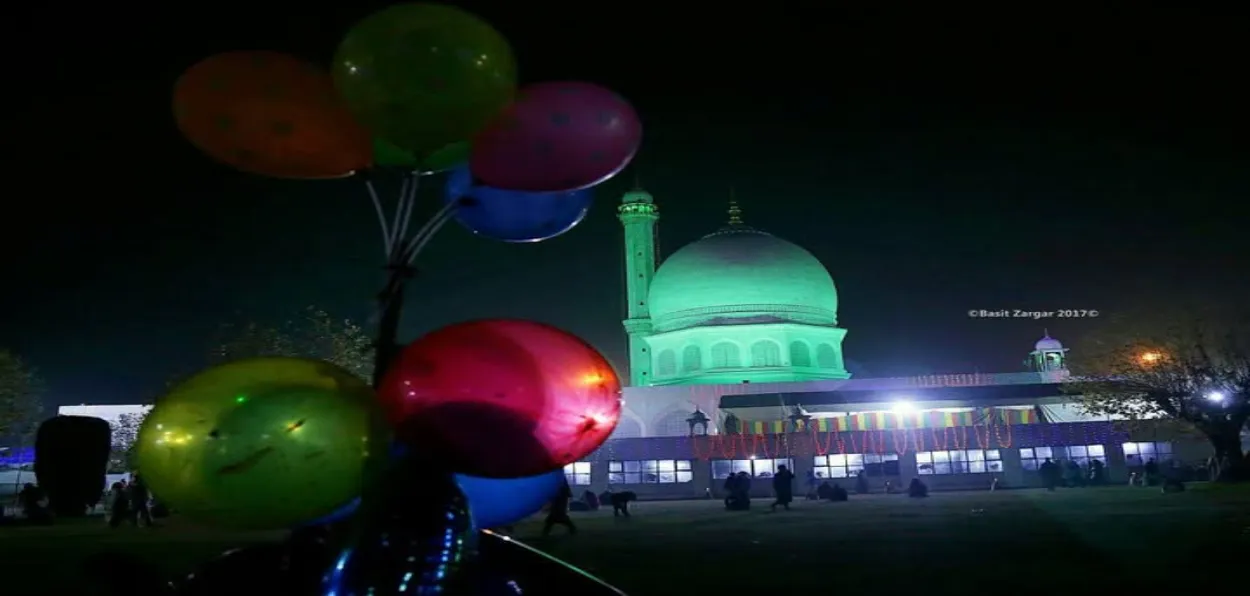
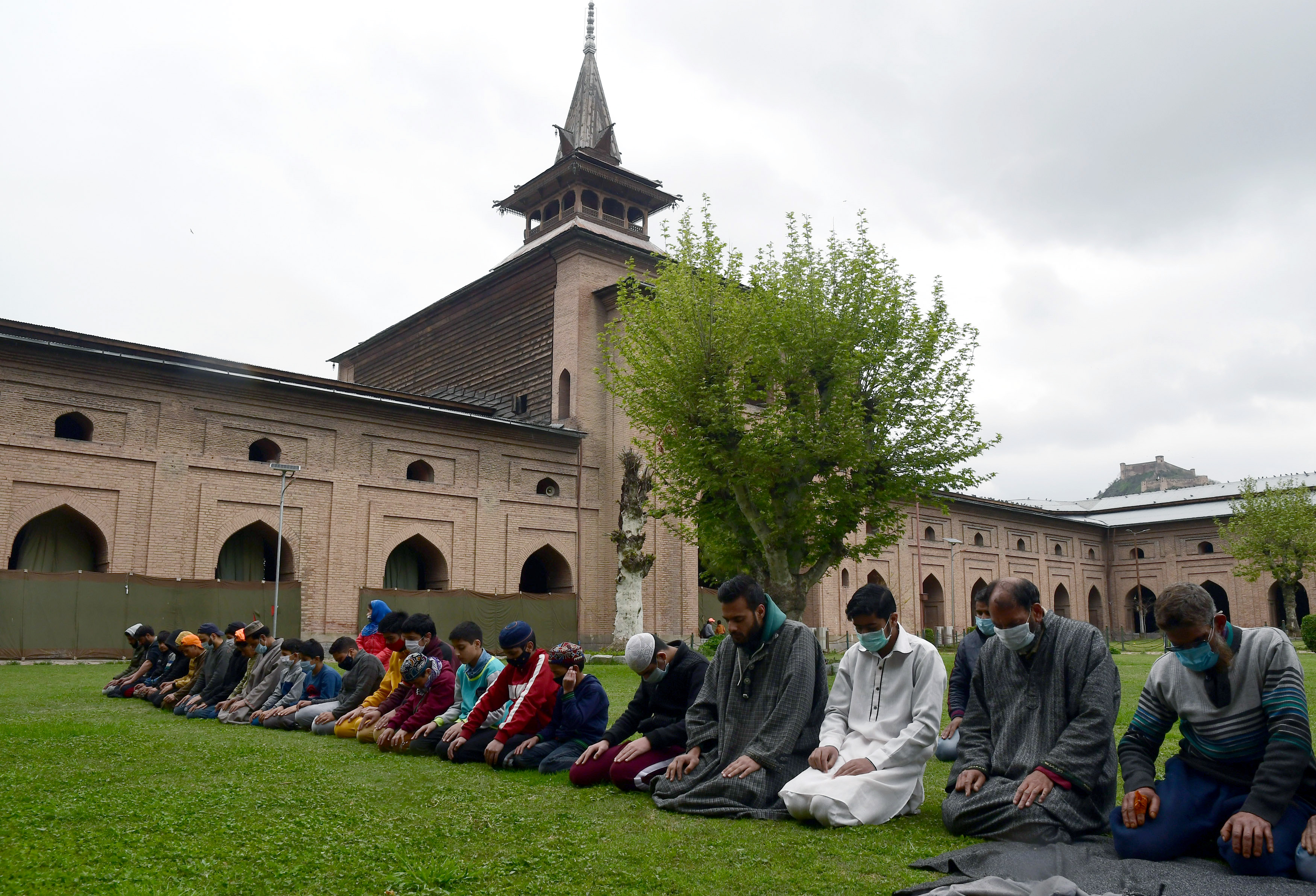 People praying at Jamia Masjid, Srinagar during Ramzan (File)
Preparations for Ramzan traditionally began well before the moon sighting. Markets became lively yet restrained, with emphasis on essential provisions rather than extravagance. Homes were cleaned, prayer spaces refreshed, and families sought reconciliation with relatives and neighbours. Such practices were not solely religious duties; they reflected a cultural belief that spiritual observance should begin with social harmony and emotional clarity.
Elderly Kashmiris often recall how these preparations fostered a collective mood of anticipation that extended beyond individual households.
Sacred spaces assume special significance during the month. Congregational prayers, Quran recitations, and charity initiatives intensify at historic religious sites such as Hazratbal Shrine, Jamia Masjid Srinagar, and Khanqah-e-Moula. These locations have long functioned not only as centres of worship but also as cultural anchors where history, architecture, poetry, and community life converge. Their Ramzan gatherings often reflect a uniquely Kashmiri devotional atmosphere — serene, reflective, and infused with a sense of collective belonging. Importantly, these spaces historically symbolised coexistence, where spiritual reverence was accompanied by social inclusiveness.
Historical records from periods such as the Mughal Empire suggest that organised communal observances flourished under imperial patronage. Mosques, shrines, and educational institutions became hubs of spiritual learning, nightly prayers, and charity distribution. While political authority shaped infrastructure, the cultural reception of Ramzan remained largely rooted in local traditions of simplicity, mysticism, and shared social ethics.
The domestic sphere has always played a central role in welcoming Ramzan. Families gather before dawn for the pre-fast meal and reunite at sunset for iftar, creating a rhythm that strengthens kinship ties. Culinary traditions passed down through generations carry both cultural memory and spiritual symbolism, often emphasising modesty and gratitude rather than indulgence. Elders use this period to transmit ethical teachings, religious knowledge, and cultural narratives to younger members, making Ramzan an intergenerational classroom as much as a religious observance.
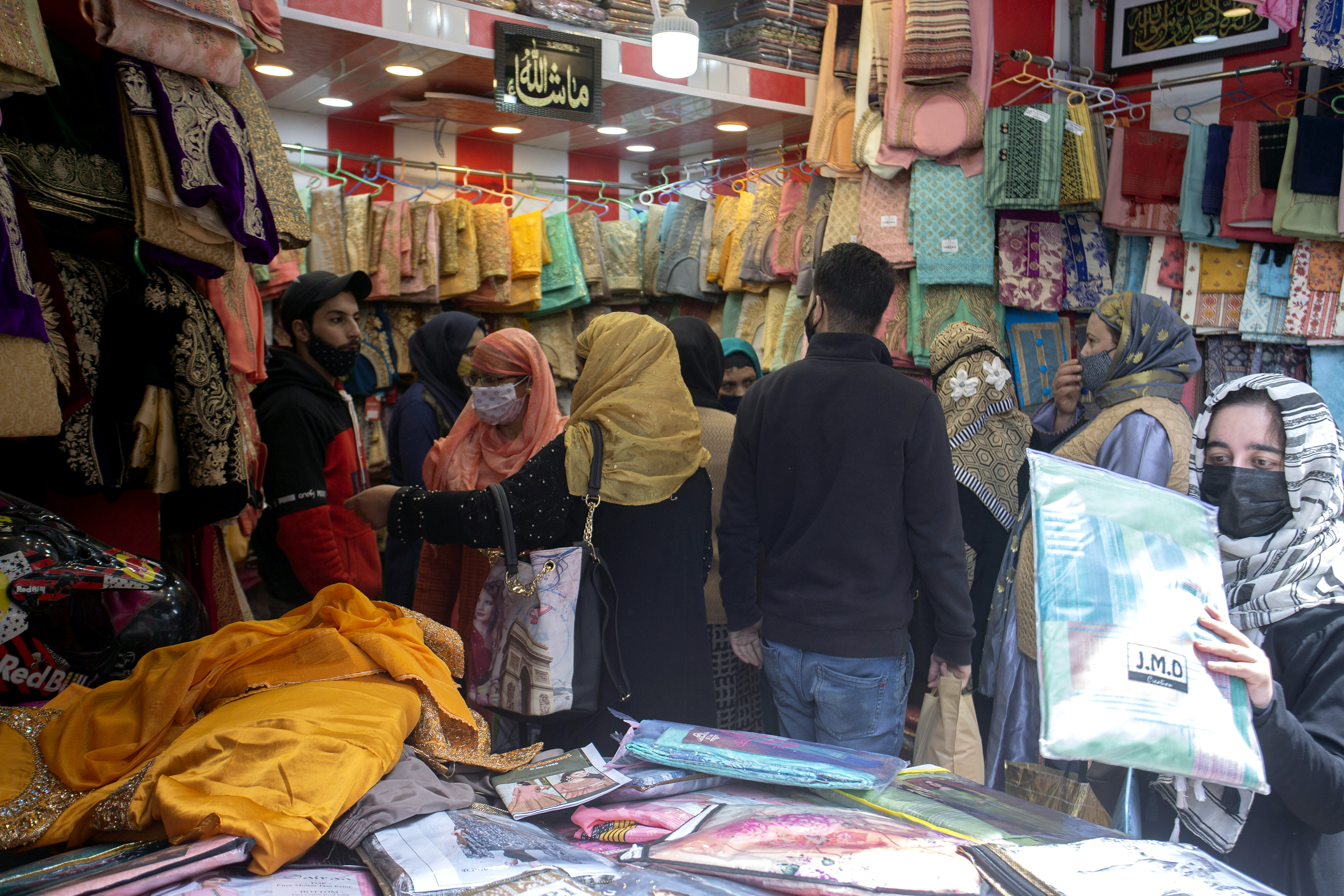 Women shopping in a Srinagar market
Charity remains one of the most visible aspects of the month. Assistance to the poor, discreet financial support, distribution of food, and community welfare initiatives intensify during Ramzan. Historically, such generosity frequently crossed religious boundaries, reinforcing neighbourhood cohesion and reflecting the Valley’s long-standing ethic of mutual care. The emphasis on quiet charity rather than public display aligns with both Islamic teachings and Kashmiri cultural sensibilities that prize humility.
Another distinctive feature of Ramzan in Kashmir is its contemplative aesthetic. The slower pace of daily life, hushed evenings punctuated by prayer, devotional recitations, and moments of solitude all reflect the region’s deep-rooted mystical heritage. Poetry, spiritual discourse, and reflective gatherings — hallmarks of Kashmiri cultural life — often find renewed expression during the fasting month. This inward orientation resonates with broader Kashmiri traditions of philosophical inquiry and artistic subtlety.
Modernisation, urbanization, and socio-political complexities have inevitably altered certain aspects of how Ramzan is observed today. Changing work patterns, digital communication, and evolving lifestyles have introduced new dynamics. Yet the essential cultural welcome — marked by reverence, generosity, communal warmth, and introspection — remains remarkably resilient. Even amid rapid change, Ramzan continues to evoke a shared memory of coexistence and ethical responsibility deeply embedded in the Valley’s historical experience.
Ultimately, the welcoming of Ramzan in Kashmir illustrates how religious observance can become intertwined with broader cultural identity. The month has historically served as a bridge between spirituality and social life, between individual devotion and collective ethics, and between distinct faith traditions that have coexisted in the region for centuries. It reminds the Valley of its enduring heritage of pluralism, where spiritual aspiration has often transcended boundaries and fostered a shared sense of humanity.
ALSO READ: Bangladeshi voters show culture and language bind them more than religion
In that sense, Ramzan in Kashmir is not only a period of fasting; it is a reaffirmation of a civilizational ethos shaped by mysticism, compassion, cultural dialogue, and collective memory. The illuminated shrines, the quiet rhythm of prayer, the emphasis on charity, and the spirit of mutual respect together reflect a tradition in which faith becomes a means of connection rather than division. As each year’s crescent moon appears over the Valley, it carries with it not just the promise of religious devotion but also the enduring hope of cultural harmony that has long defined Kashmir’s historical soul.
Jumat-ul-Vida, meaning "Friday of Farewell," is observed by Muslims on the last Friday of the holy month of Ramadan. In Kashmir, this occasion holds special significance, and large gatherings assemble for prayers at prominent mosques and shrines, including the Hazratbal Shrine in… pic.twitter.com/60XZy21H5B
— Awaz-The Voice (@AwazThevoice) March 28, 2025

.jpg "Gujarat’s women entrepreneurs bring their craftsmanship to life during Navratri")










.webp)