New Delhi
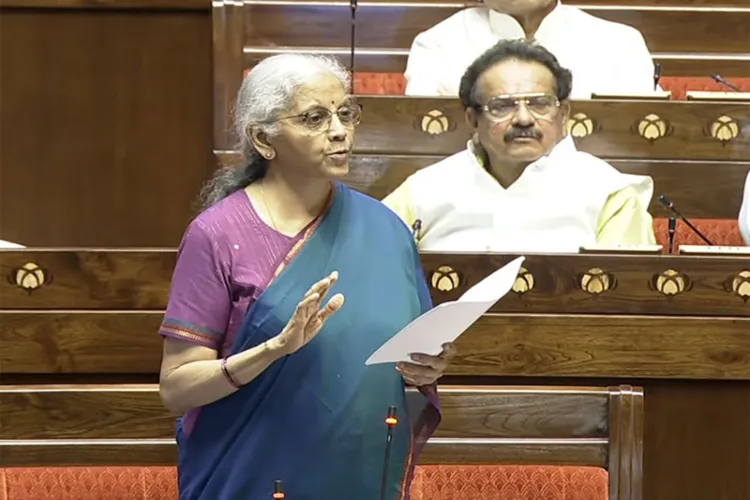
Parliament on Wednesday approved key amendments to the Insolvency and Bankruptcy Code, with Finance Minister Nirmala Sitharaman stating that the changes are aimed at reducing delays, improving recovery outcomes, and strengthening confidence in India’s insolvency system.
The Rajya Sabha passed the Insolvency and Bankruptcy Code (Amendment) Bill, 2026, through a voice vote, following its approval in the Lok Sabha earlier this week.
Responding to the debate in the Upper House, Sitharaman said that delays at the stage of admitting insolvency cases have been a major concern, as they lead to a decline in the value of stressed companies. The amendments, she explained, seek to ensure quicker admission of cases by limiting the scope of scrutiny at the initial stage to verifying defaults, while relying more on information utilities and due diligence.
She outlined three main objectives behind the reforms: expediting case admissions, introducing stricter timelines for adjudicating authorities, and improving the liquidation process through stronger creditor oversight and enhanced independence of liquidators.
A significant change introduced by the bill is the replacement of the underutilised fast-track insolvency mechanism with a creditor-driven framework. This new system allows for out-of-court initiation of insolvency proceedings and settlements, along with a “debtor-in-possession” model under creditor supervision, combining flexibility with accountability.
The amendments also provide a framework for handling group insolvency and cross-border cases, bringing India’s insolvency regime closer to international standards. The government believes this will particularly help in dealing with complex cases involving multiple entities and overseas jurisdictions.
The bill, introduced in August 2025, was examined by a Select Committee led by Baijayant Panda, which submitted its report in December. The government has accepted all 11 recommendations made by the panel, along with an additional proposal from the Ministry of Corporate Affairs.
Addressing concerns about recovery rates, Sitharaman clarified that the IBC is designed not merely as a tool for debt recovery but as a mechanism to resolve financial distress and preserve enterprise value. She emphasised that recoveries should be assessed based on the fair value of assets at the time cases are admitted, rather than after prolonged delays.
Citing official data, she noted that the IBC has achieved recoveries amounting to nearly 95 per cent of the fair value at admission and over 170 per cent of liquidation value. As of December 2025, the framework has facilitated the resolution of 1,376 companies, resulting in total recoveries of ₹4.11 lakh crore, with financial creditors recovering more than one-third of their claims.
On the issue of eligibility norms under Section 29A, the Finance Minister said there has been no dilution in provisions barring wilful defaulters and related parties from regaining control of their companies. However, she added that promoters of micro, small and medium enterprises (MSMEs) may be allowed to participate in the resolution process if they present viable revival plans.
The amendments also reinforce accountability provisions. While successful resolution applicants will be granted a “clean slate” once their plans are approved by the National Company Law Tribunal, former promoters will continue to face legal action for any wrongdoing.
Additionally, the scope of scrutiny for avoidance transactions has been expanded to include a two-year period prior to the initiation of insolvency proceedings, aimed at preventing asset diversion and delays.
To improve transparency, the Committee of Creditors will now be required to document reasons for selecting a particular resolution applicant.
READ MORE: Aneesa Sayyad: The ‘Golden Girl’ of Indian shooting
Sitharaman said the reforms reflect the government’s effort to create a faster, more transparent, and globally aligned insolvency framework that supports business revival while ensuring accountability for misconduct.















_(1).webp)