 Pallab Bhattacharyya
There are moments in history when an ordinary household object shows the fragility of a civilisation. In India, the humble LPG cylinder—so central to daily life that it rarely invites reflection—has, in recent weeks, become a symbol of anxiety, queues, and whispered uncertainty. What appeared at first to be a temporary disruption has unfolded into a telling episode of global interdependence, where distant wars seep into domestic kitchens, and geopolitical tremors are felt in the rhythm of everyday cooking.
The origins of this unease lie far beyond India’s borders, in the narrow waters of the Strait of Hormuz, a passage that carries nearly a fifth of the world’s oil and natural gas. The escalation of conflict in West Asia and the effective closure of this vital artery have constricted the flow of energy supplies, sending shockwaves through global markets. Oil prices surged dramatically, gas shipments faltered, and the delicate balance of supply chains—so carefully optimised for efficiency—began to unravel under the weight of geopolitical risk.
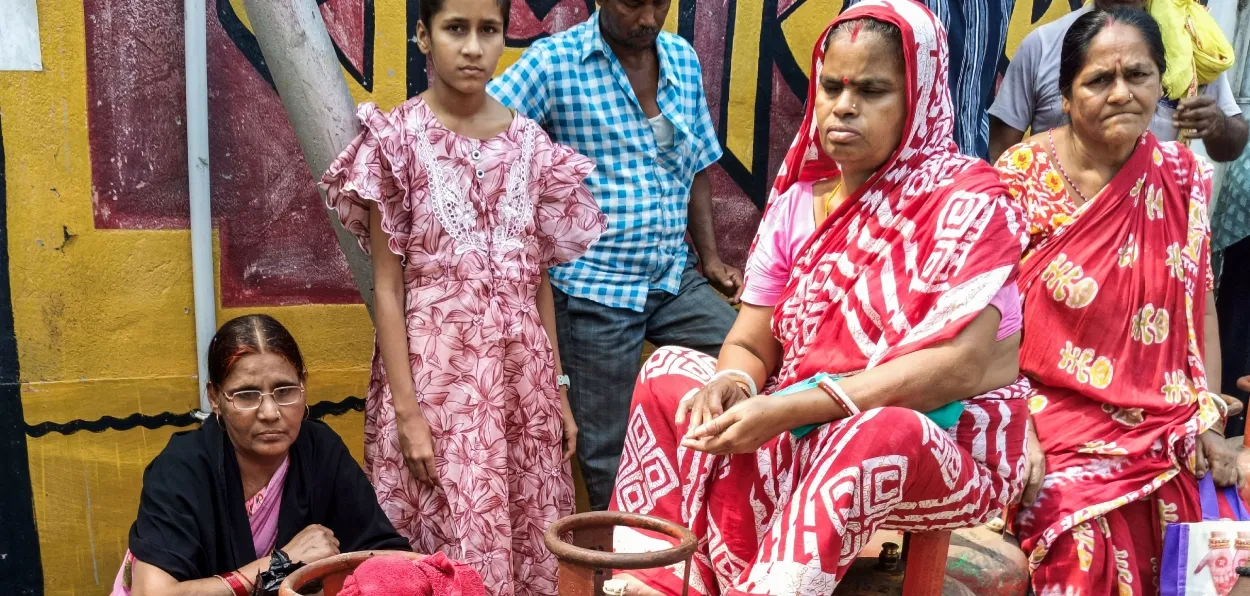
For India, the impact has been immediate and deeply felt. With a heavy reliance on imports for both crude oil and LPG, and with a vast majority of these imports passing through the Strait of Hormuz, the disruption has exposed a structural vulnerability that has long been acknowledged but insufficiently addressed. Reports of delayed cylinder deliveries, rising prices, and cautious rationing have become common, particularly affecting urban households and small commercial establishments that depend almost entirely on LPG for their daily operations.
Yet, what is striking is that this crisis is not born of absolute scarcity but of constrained movement and heightened perception. Official inventories remain largely adequate, and the government has responded with a series of swift measures -- boosting domestic LPG production, diverting refinery outputs, tapping strategic reserves, and seeking alternative supply routes. These interventions have, to a considerable extent, prevented a full-scale breakdown. And yet, the unease persists, amplified by panic behaviour, speculative hoarding, and the psychological weight of uncertainty.
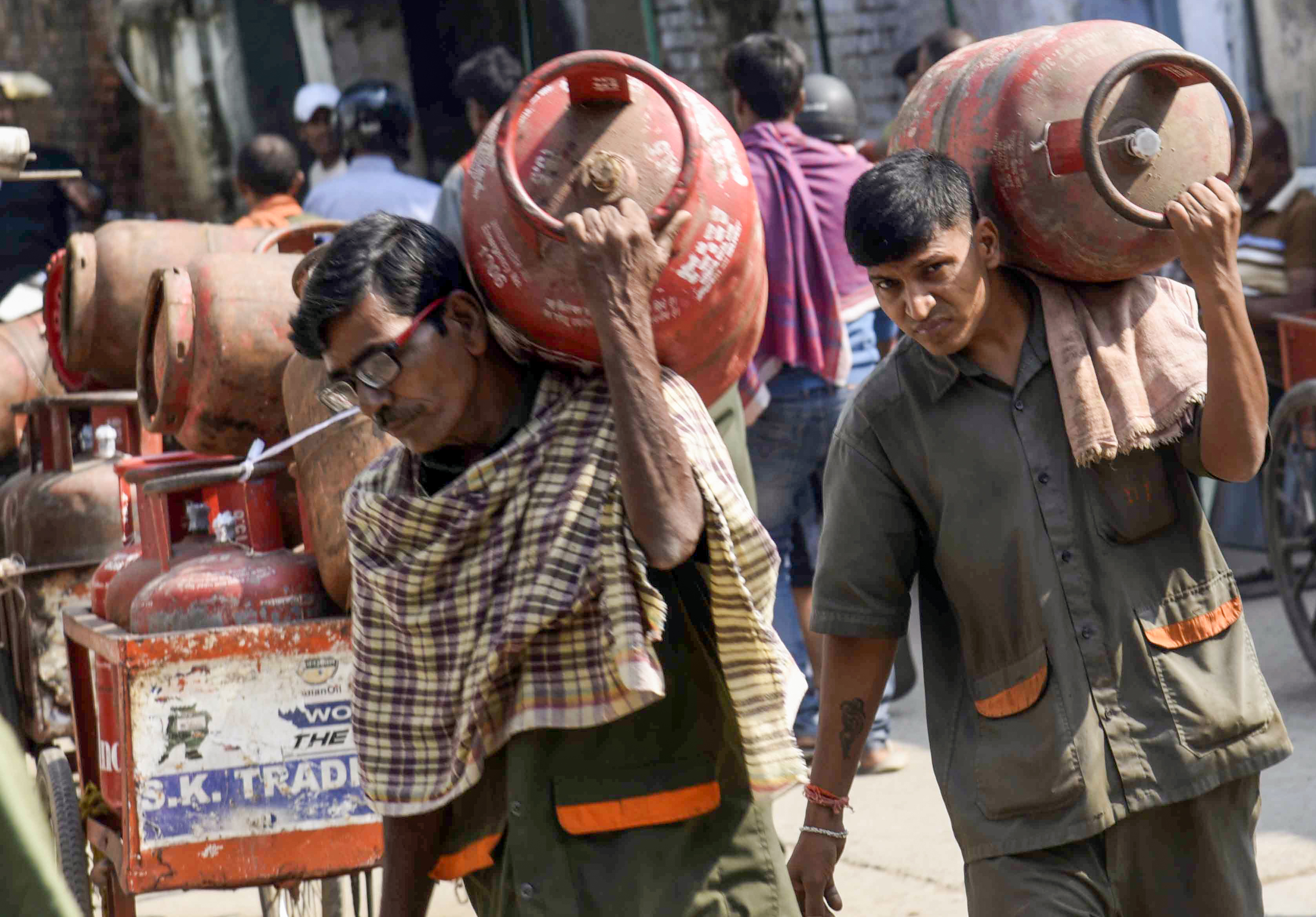 Workers carrying LPG cylinders to the company godown
This tension between reality and perception reveals an important truth: energy crises are as much about human behaviour as they are about physical shortages. A delayed cylinder becomes a symbol of impending collapse; a rumour triggers a rush; a temporary disruption risks spiralling into a self-fulfilling scarcity. In such moments, the resilience of a nation is tested not only in its infrastructure but in the composure of its people.
However, to view the LPG crisis merely as a logistical challenge would be to miss its deeper significance. What we are witnessing is a manifestation of a broader structural condition—a fossil-fuel-dependent world organised around fragile chokepoints and shaped by recurrent conflict. From the oil shocks of the 1970s to the present turmoil, the pattern is unmistakable: energy security remains entangled with geopolitical instability.
It is here that a more profound lens becomes necessary, one that moves beyond economics and geopolitics into the realm of ethics and consciousness. Thinkers like IIT-Delhi and IIM-Ahmedabad alumnus Acharya Prashant have argued that the roots of such crises lie not merely in external systems but in internal dispositions—our patterns of consumption, our definitions of progress, and our unexamined desires. According to this view, the climate crisis, energy insecurity, and even war itself are interconnected expressions of an underlying “inner conflict,” where the relentless pursuit of more—more comfort, more consumption, more dominance—drives both ecological degradation and geopolitical rivalry.
From this perspective, the LPG crisis becomes more than a supply shock; it becomes a mirror. It asks uncomfortable questions: Why must everyday life depend so heavily on distant and volatile sources? Why is resilience so easily compromised by disruptions thousands of kilometres away? And perhaps most importantly, what kind of lifestyle has made such dependence seem normal, even inevitable?
The answers suggest the need for a twofold transformation—one that is both internal and structural. On the one hand, there is a need for moderation and mindfulness in consumption. Simple behavioural changes—using fuel efficiently, avoiding waste, reducing unnecessary travel—are often dismissed as minor, yet collectively they hold immense power. They not only ease immediate pressure on supply systems but also begin to reshape the cultural imagination of what constitutes a good life.
On the other hand, there is a pressing need for systemic reform. Diversifying energy sources, strengthening strategic reserves, and enhancing domestic production are essential steps, and they must be complemented by a shift to renewable alternatives. Among these, biogas emerges as a particularly compelling solution, rooted in India’s own ecological and cultural context.
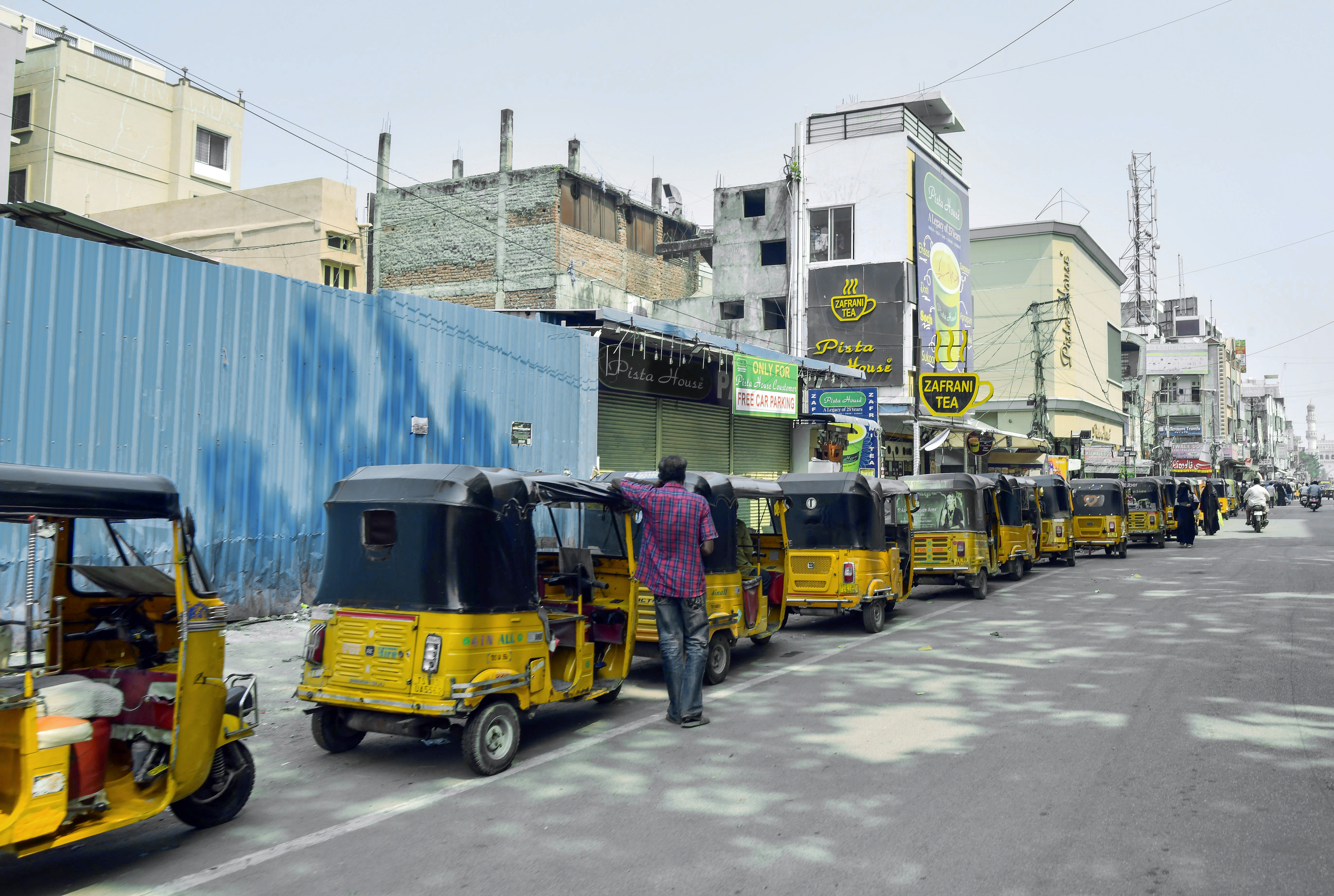 Long queue of CNG autorickshaws outside a gas station in Bengaluru
Biogas, generated from organic waste such as cattle dung and agricultural residues, offers a pathway that is both practical and philosophical. It transforms waste into energy, reduces dependence on imports, and aligns with a tradition of circular resource use deeply embedded in rural India. At a time when LPG supply is vulnerable to global disruptions, biogas represents a form of local resilience—energy produced not in distant refineries but within communities themselves.
The potential here is significant. India’s vast agricultural base and livestock population provide abundant feedstock for biogas production. With the right policy support—financial incentives, technical assistance, and community-driven implementation—biogas could meaningfully reduce LPG demand, particularly in rural and peri-urban areas. Moreover, it carries additional benefits: improved waste management, reduced greenhouse gas emissions, and enhanced soil fertility through by-products.
At the same time, the broader transition to renewable energy—solar, wind, and electrified cooking—must be accelerated. Unlike fossil fuels, these sources are not subject to geopolitical chokeholds. They offer a form of energy sovereignty that is both strategic and sustainable. Yet, their success will depend not only on technological deployment but on societal acceptance and behavioural adaptation.
What the LPG crisis ultimately reveals is the need to move from a paradigm of dependence to one of conscious security. This is not merely about replacing one fuel with another but about rethinking the entire relationship between energy, society, and well-being. It calls for a balance between efficiency and sufficiency, between growth and restraint, between global integration and local resilience.
As the queues at gas agencies gradually shorten and supply chains stabilise, it would be easy to forget the lessons of this moment. Crises, after all, have a way of fading into memory once normalcy returns. But to do so would be to squander an opportunity for deeper reflection and meaningful change. For example, the COVID-19 crisis brought the world to a standstill, disrupting lives and systems alike. Yet, from this upheaval emerged invaluable lessons—accelerated digital adoption, effective containment strategies to localise outbreaks, and the seamless continuation of education and work through virtual platforms. These adaptations have equipped us with the resilience and tools to confront similar challenges with far greater preparedness in the future. The LPG crisis will offer learning lessons to us for the future.
In the flicker of an LPG flame lies a larger story—of a world at once interconnected and fragile, of systems built for convenience yet vulnerable to disruption, and of a civilisation standing at a crossroads between habitual consumption and conscious living. Whether this crisis becomes a turning point or merely another episode will depend not only on policy decisions but on the choices made in millions of homes across the country.
ALSO READ: Inspirational story of Kolkata’s ‘Hijabi Biker’ Alima Rahman
And perhaps, in that quiet space between necessity and awareness, the path forward will reveal itself—not as a sudden revolution, but as a gradual, deliberate shift toward a more resilient and thoughtful way of being.
The author is former DGP of Assam Police










.webp)
.webp)