New Delhi
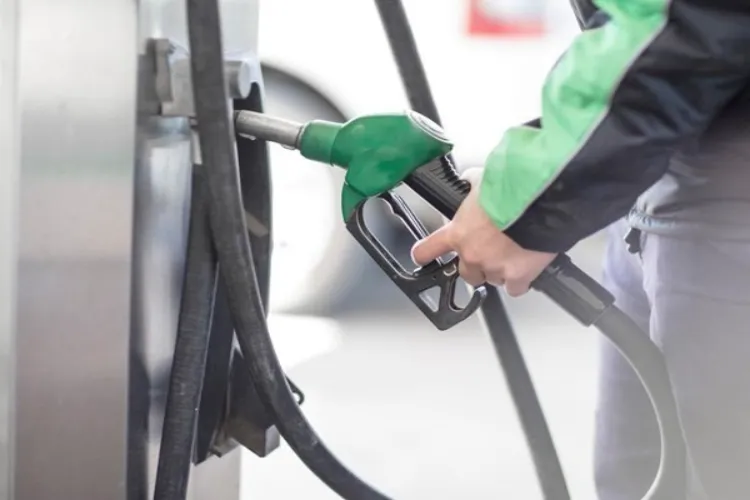
Petrol and diesel prices were increased once again on Monday, marking the fourth revision in less than a fortnight, as oil companies continued to pass on the impact of elevated global crude prices linked to tensions involving Iran.
With the latest revision, petrol became costlier by Rs 2.61 per litre and diesel by Rs 2.71 per litre. Since May 15, the cumulative rise in fuel prices has reached nearly Rs 7.5 per litre.
According to industry officials, petrol in Delhi now costs Rs 102.12 per litre, up from Rs 99.51, while diesel prices climbed to Rs 95.20 per litre from Rs 92.49.
The fresh increase has pushed retail fuel rates to their highest level since May 2022. Prices had remained mostly unchanged for over two years, except for a Rs 2 per litre reduction announced in March 2024 ahead of the Lok Sabha elections.
The latest hike came even as international crude oil prices declined sharply on hopes of easing tensions in West Asia. Brent crude fell over 5 per cent after indications emerged that the US and Iran could reopen the Strait of Hormuz, a critical global shipping route for oil supplies.
Global oil prices had earlier surged by more than 50 per cent since late February following military strikes involving the US and Israel against Iran and disruptions in shipping traffic through the Strait of Hormuz.
State-owned fuel retailers had delayed passing on the higher cost burden to consumers for several weeks. The Centre maintained that the move was aimed at protecting citizens from inflationary pressure. Opposition parties, however, alleged that the government postponed the hikes until after important state elections.
The first increase in the current cycle came on May 15, shortly after the Bharatiya Janata Party (BJP) registered victories in three of the five Assembly and Union Territory elections, including West Bengal.
Apart from petrol and diesel, domestic LPG cylinder prices have risen by Rs 60 per 14.2-kg cylinder, while compressed natural gas (CNG) prices have gone up by Rs 4 per kg since mid-May.
Despite the hikes, public sector oil marketing companies continue to incur significant losses on the sale of petrol, diesel and LPG. Indian Oil Corporation (IOC), Bharat Petroleum Corporation Ltd (BPCL) and Hindustan Petroleum Corporation Ltd (HPCL), which together account for around 90 per cent of India’s fuel retail market, have so far refrained from increasing aviation turbine fuel (ATF) prices.
Senior Congress leader Rahul Gandhi criticised Prime Minister Narendra Modi over the latest fuel price revisions, accusing the government of burdening citizens once elections concluded.
In a social media post, Gandhi alleged that fuel prices were being increased gradually to avoid public backlash and referred to the Prime Minister as “Mehangai Manav Modi”, linking him to rising inflation.
He said he had repeatedly warned about an economic crisis and accused the government of prioritising elections over public concerns. Gandhi further claimed that the increase in petrol and diesel prices would continue in the coming days.
Before Monday’s revision, fuel prices had already been increased three times this month — by Rs 3 per litre on May 15, by 90 paise on May 19, and again on May 23 when petrol prices rose by 87 paise and diesel by 91 paise per litre.
Retail rates continue to differ across states because of varying VAT and local levies.
Following the latest revision, petrol in Mumbai was priced at Rs 111.21 per litre and diesel at Rs 97.83. In Kolkata, rates touched Rs 113.51 for petrol and Rs 99.82 for diesel. Chennai recorded petrol prices at Rs 107.77 and diesel at Rs 99.55 per litre.
Private fuel retailers also revised prices upward. Nayara Energy had earlier raised petrol prices by Rs 5 per litre and diesel by Rs 3 per litre in March. Shell plc increased petrol prices by Rs 7.41 per litre and diesel by up to Rs 25 per litre from April 1. Jio-bp, the joint venture between Reliance Industries and BP Plc, aligned its rates with those of public sector retailers.
Economists and industry experts warned that the repeated hikes could intensify inflationary pressure and increase transportation and logistics expenses across sectors.
India’s retail inflation rose to 3.48 per cent in April from 3.40 per cent in March, while wholesale inflation touched a 42-month high of 8.3 per cent, largely due to rising fuel and energy prices.
The fuel price revisions come amid the government’s efforts to reduce the country’s oil import burden and encourage energy conservation.
Last week, Prime Minister Narendra Modi appealed to citizens and government departments to cut down on unnecessary fuel consumption, promote remote work and limit non-essential travel as rising energy costs strain foreign exchange reserves and threaten to widen the current account deficit.
Several states have also instructed government departments to reduce official travel and office attendance to conserve fuel.
Industry executives said the latest hikes appeared to be a calibrated attempt to reduce the financial stress on oil marketing companies without causing an abrupt spike in inflation, though they admitted that price pressures would continue.
Prashant Vasisht, Senior Vice President and Co-Group Head, Corporate Ratings at ICRA Ltd, said that despite the recent fuel price increases, oil companies continue to face heavy under-recoveries due to mounting losses on domestic LPG sales and elevated crude oil premiums.
READ MORE: Hajj 2026: When pilgrims braved disease, heat, and bandits' attacks for faith
According to ICRA estimates, with crude oil prices hovering around USD 120-125 per barrel and based on average crack spreads over the past decade, oil marketing companies are still losing nearly Rs 700-800 crore every day on the sale of petrol, diesel and LPG, even after the recent hikes. He noted that such losses are not sustainable over the long term.










.webp "Naga's protesting in Manipur")
_Rajiv_Singh.webp "Representational Image")