New Delhi
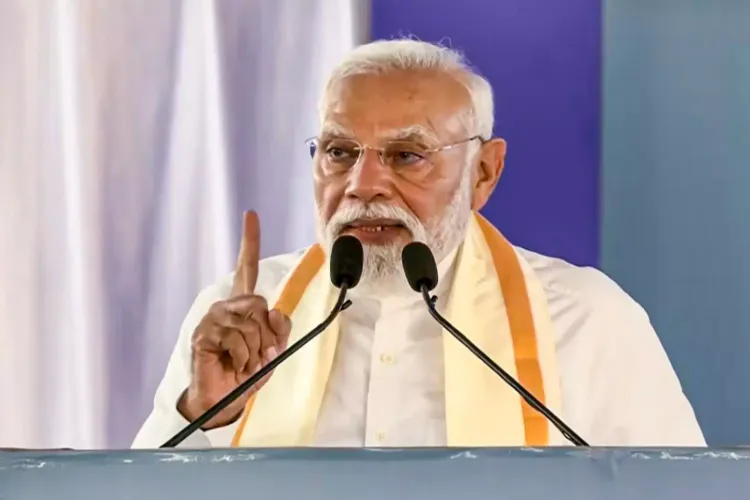
At a time when global tensions in West Asia are pushing fuel prices higher and raising concerns over energy security, Prime Minister Narendra Modi made a strong appeal for fuel conservation, urging ministers, officials and citizens to avoid unnecessary fuel consumption and adopt responsible practices. The Prime Minister’s message was not merely an administrative advisory; it carried a larger concern about India’s long-term energy security, economic stability and environmental responsibility.
Soon after PM Modi’s appeal, several Union ministers and Chief Ministers moved swiftly to set an example by reducing the size of their official convoys and limiting avoidable vehicle movement. Union Home Minister Amit Shah was among the first senior leaders to act. Reports indicated that his convoy was reduced to less than half its earlier size, a move widely seen as a symbolic yet powerful step towards responsible governance.
The message from the Centre quickly echoed across states. Uttar Pradesh Chief Minister Yogi Adityanath reduced the number of vehicles accompanying his convoy and instructed officials to minimize unnecessary fuel usage in government operations. Delhi Chief Minister Rekha Gupta also joined the initiative by scaling down convoy movement and promoting energy-saving measures within departments. Madhya Pradesh Chief Minister Mohan Yadav emphasized that leaders must lead from the front during periods of global uncertainty and resource pressure.
Sources also indicated that several Union ministers have informally begun reviewing travel patterns, convoy management and official vehicle usage to align with the Prime Minister’s conservation message. The effort is being seen as part of a broader attempt to encourage discipline in fuel consumption at every level of governance.
PM Modi’s concern comes at a crucial moment. Ongoing instability in West Asia has increased fears of disruption in global crude oil supplies. Since India imports a major share of its petroleum requirements, any spike in international prices directly affects transportation costs, inflation and the everyday lives of citizens. Experts believe that even small steps such as reducing convoy sizes and cutting unnecessary travel can collectively create a meaningful impact.
More importantly, the initiative carries a deeper public message. At a time when ordinary citizens are carefully managing household expenses amid rising fuel costs, the decision of ministers and senior leaders to reduce their own fuel usage sends a message of shared responsibility. It reflects an effort to ensure that conservation begins from the top rather than being imposed only on the public.
READ MORE: Abeda Inamdar left a cushy job to change lives through education, social reform
Political observers say the move also highlights PM Modi’s governance style, where symbolism is often combined with public participation. By encouraging ministers to act visibly, the government aims to create awareness that fuel conservation is not just an economic necessity but also a national duty.
As geopolitical uncertainties continue to challenge economies across the world, India’s leadership appears determined to project a message of restraint, responsibility and sustainable governance.