Shimla
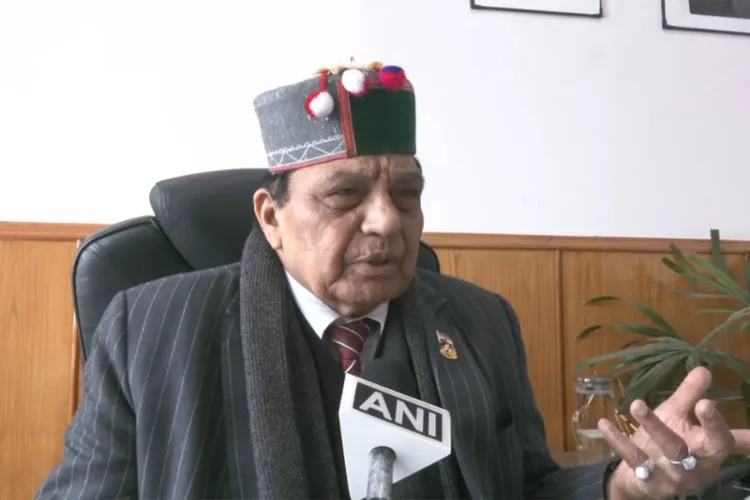
Himachal Pradesh Health Minister Dhani Ram Shandil on Thursday underlined the need for professionalism and strict adherence to legal procedures following a high-voltage late-night standoff between teams of Delhi Police and Himachal Pradesh Police in Shimla on February 25.
Speaking to ANI, Shandil, a retired Army officer, said discipline and respect for the law are fundamental principles of any armed or police force. “I have myself been associated with the armed forces, where discipline is the basic credo. In any arrest, police must follow established legal procedures and maintain professionalism,” he said.
The minister said an FIR has been registered by Shimla Police at Chirgaon police station in connection with the incident. However, he maintained that Himachal Police did not obstruct the movement of the youths detained by the Delhi Police after transit remand was granted.
“I don’t think our police denied their movement. They were not stopped after the transit remand. Shimla Police cooperated and did not oppose taking them away,” Shandil said, adding that in a federal system, any action perceived to be against the law is bound to invite objections.
Referring to the circumstances leading to the confrontation, the minister said the matter could have been resolved amicably had due procedures been followed and senior officials intervened in time. He also noted that members of the Himachal cabinet were in the national capital during an earlier protest linked to the case.
Shandil further said the state government would issue notices to the Delhi Police, as Shimla Police have registered an abduction case against the visiting team and sought cooperation in the ongoing investigation.
The controversy stems from an incident in which a Delhi Police team allegedly picked up three individuals from a resort in Shimla district, prompting intervention by Himachal Police and subsequent legal proceedings.
READ MORE: When Kalam, Ansari, Dilip Kumar prayed in the mosque as common Muslims
The episode has triggered political reactions in the state, with both governments expected to examine the sequence of events and inter-state policing protocols.















.webp)