New Delhi
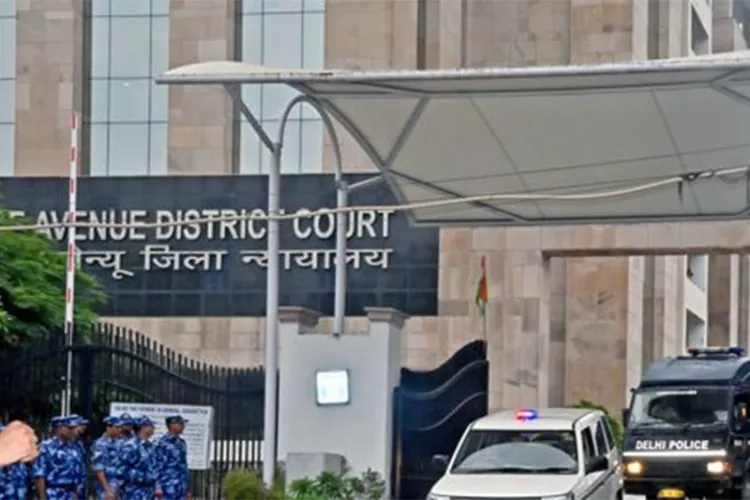
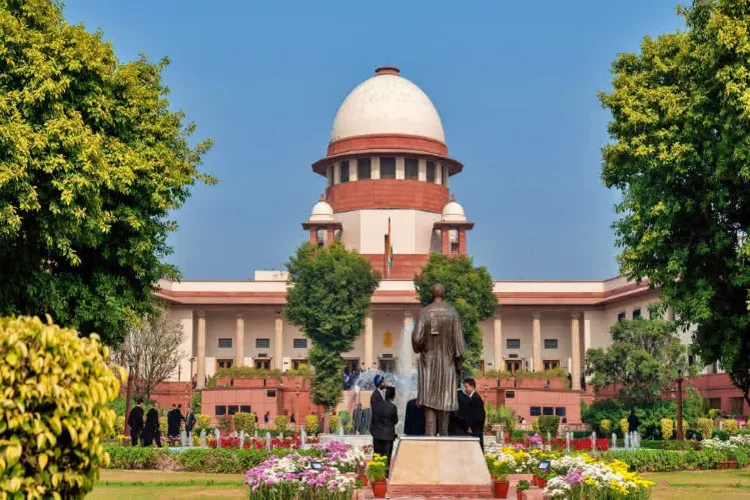
The Supreme Court of India on Monday refused to interfere with a plea alleging risk of land and groundwater contamination due to possible mercury leakage from incinerated waste linked to the Bhopal gas tragedy.
The court, however, asked the Bhopal Gas Peedith Sangharsh Sahyog Samiti to approach the Madhya Pradesh High Court, which has been monitoring rehabilitation and related issues for over three decades.
A bench comprising Chief Justice Surya Kant and Justice Joymalya Bagchi took note of submissions made by senior advocate Anand Grover, appearing for the victims’ association, and said the high court would deal with the plea expeditiously.
In December 1984, more than 40 tonnes of methyl isocyanate gas leaked from a pesticide plant operated by Union Carbide Corporation in Bhopal, killing over 15,000 people and exposing millions to toxic gas.
The petitioner organisation alleged that disposal of waste from the former Union Carbide plant could lead to mercury leaching from the incinerated material, potentially contaminating nearby land and water sources.
Grover questioned the findings of authorities which reportedly detected no mercury in the treated waste.
“With all the incineration, they now say they have detected no mercury at all. After all that, it is all dumped in a concrete block. Mercury will leach out now. If there is no order to open it up and test, the exercise is futile,” he argued.
Justice Bagchi, responding to the concerns, said trial runs conducted by the oversight committee reportedly showed no evidence of material leaching.
“They say trial runs show that there is no leaching of material. You say the methodology adopted by the oversight committee is faulty. Now we are not experts. You need to tell them,” he said, adding that authorities had indicated that if any leakage was detected, the structure would be reinforced and sealed further.
The judge also cautioned against steps that could inadvertently lead to further contamination merely for verification purposes.
During the hearing, the Chief Justice referred to the petitioner’s reliance on a report prepared by Asif Qureshi of the Indian Institute of Technology Hyderabad, which suggested that mercury present in the incinerated waste could pose a contamination risk around the disposal site.
However, the bench said it saw no reason to interfere with the December 10, 2025 order passed by a division bench of the Madhya Pradesh High Court on the matter.
“The petitioner relying upon the report of Dr Asif Qureshi of IIT Hyderabad states that since a huge amount of mercury is there in the incinerated material there is a risk of contamination around the site of disposal.
READ MORE: An officer can't afford to go wrong, says top cop Ajeetha Begum
“Since all possible precautions were taken, we see no reason to interfere with the division bench order of December 10, 2025. The appropriate recourse would be to move the high court along with supporting material showing apprehension for leakage in the future. We request the high court to consider the application on merits and pass such orders as may be required in larger public interest,” the court said.