New Delhi
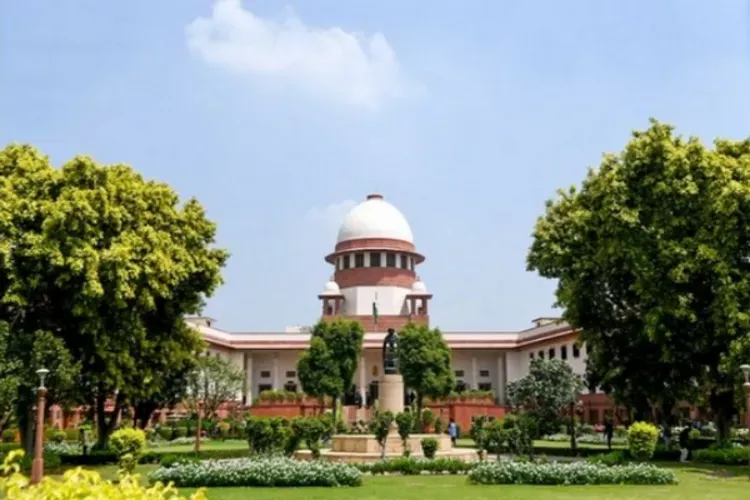
The Supreme Court of India on Monday granted bail to retired Anil Tuteja in connection with the alleged District Mineral Fund corruption case, while directing him to remain outside Chhattisgarh as a condition of his release.
A bench headed by Chief Justice Surya Kant and Justice Joymalya Bagchi noted that the former bureaucrat had been in custody since January 24, 2024, in connection with multiple corruption-related cases. The court also took note of submissions that Tuteja had been formally arrested in the DMF case on February 23, 2026.
While granting relief, the bench observed that the allegations against Tuteja were undoubtedly serious but emphasised that the merits of those charges would be determined during trial. The court noted that the prosecution plans to examine around 85 witnesses and that the conclusion of the trial is likely to take considerable time.
Taking into account the period already spent in custody, the stage of the proceedings, and the fact that several co-accused in the matter have already secured bail, the apex court held that Tuteja was entitled to similar relief.
Tuteja has been accused of allegedly receiving substantial bribes in connection with the awarding of contracts under the District Mineral Fund during his tenure as Joint Director in the state’s industries department.
Senior advocate Shoeb Alam, appearing for Tuteja, informed the court that his client had already secured bail in six other corruption cases and that the DMF case was the only matter keeping him behind bars. He argued that Tuteja, now retired, was in no position to influence witnesses or interfere with the ongoing trial.
The bail plea was strongly opposed by Ravi Sharma, who appeared for the state and presented purported WhatsApp conversations from 2019, alleging that Tuteja played the role of a “prime conspirator” in several scams in the state.
However, the bench questioned the relevance of those chats to the current proceedings, observing that such allegations would ultimately be tested during trial.
READ MORE: Shahida Murtaza's academic research forms backbone of governments' policies
While granting bail, the Supreme Court made it clear that although the accusations are grave, continued incarceration cannot be indefinite when the trial is likely to take substantial time to conclude.








.webp "Lok Sabha Leader of Opposition Rahul Gandhi")
.webp "Chief Minister V D Satheesan")
.webp)
.webp)