Ehsan Fazili/ Srinagar
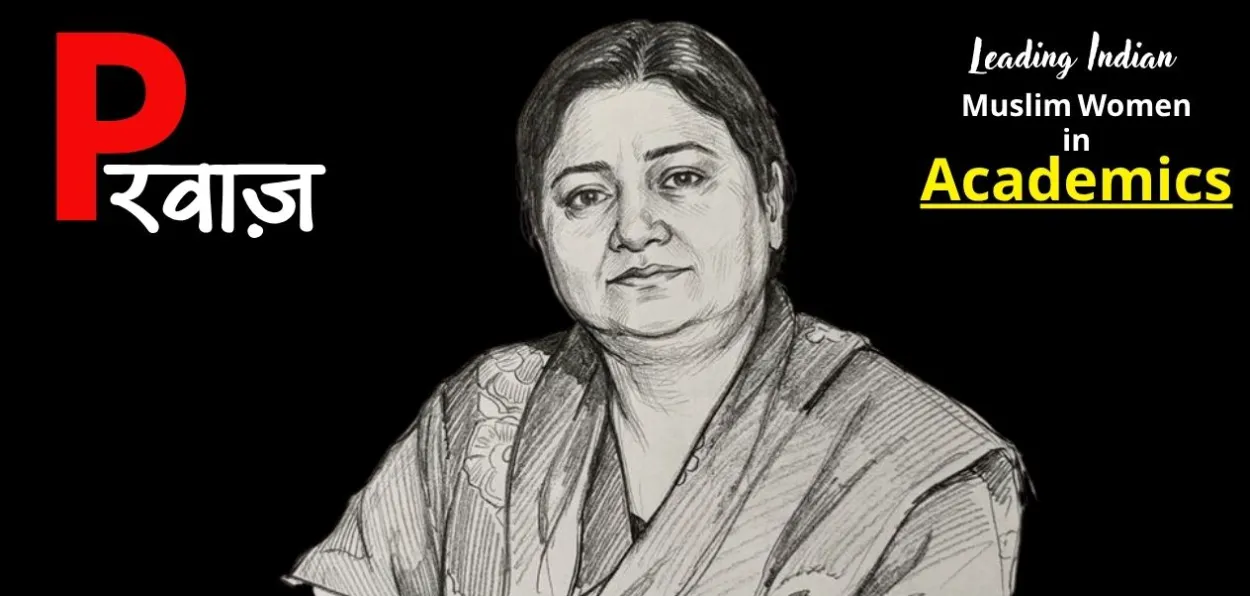
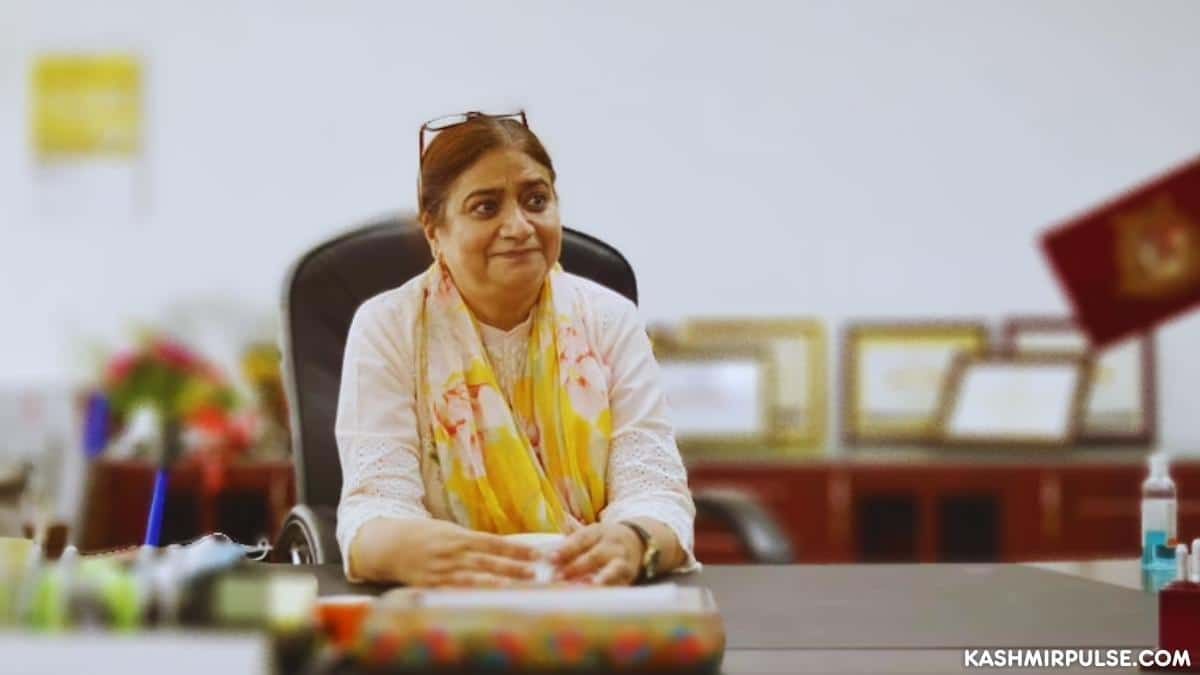
“When I reflect on my journey, I see it as a gradual, disciplined progression shaped by education, responsibility and family support. I belong to a generation in Kashmir where women were steadily entering higher education, but long-term academic careers, especially leadership roles, were still uncommon. Choosing to remain in academia required commitment and clarity about what I wanted to contribute, Prof Nilofer Khan, the first woman Vice Chancellor of the University of Kashmir, Srinagar, told Awaz-The Voice.
Prof Nilofar Khan, a distinguished academician and administrator, has devoted about 40 years of services in various important academic and administrative positions in the iconic and first University in the State. She took over first as the Vice Chancellor on May 20, 2022, for a term of three years and for the second term on May 19, 2025, and currently serves as the 21st Vice Chancellor of the University on the most beautiful campus at Hazratbal, overlooking Dal Lake in the lap of Zabarwan Hills.
She also worked as Acting Vice Chancellor of the University from 2018 to 2020.

She is widely recognised for her exceptional administrative skills, consistently demonstrating remarkable acumen in every role she has undertaken. Personally, she is inspired by Nelson Mandela's quote: “Education is the most powerful weapon which you can use to change the world—and when you educate a woman, you transform generations”.
“Today, serving as the Vice Chancellor of the University of Kashmir carries a sense of responsibility that goes beyond administration. It reflects the changing aspirations of our society and the increasing visibility of women in leadership”, Prof Nilofer Khan told Awaz-The Voice. She expressed the hope that her journey “reassures young women that it is possible to pursue academic ambition while nurturing family life, provided there is determination and a supportive environment”.
Commenting on her inspirations on the path, Prof Khan said that these had come from many sources, which included her “colleagues, who worked collaboratively for institutional progress, and most importantly, the young students of Kashmir, whose aspirations reflect hope and transformation”.
“Their dreams constantly remind me why educational leadership matters”, she added.
Prof Khan said that the early years at the University shaped her “intellectual foundation and my sense of institutional belonging” as teaching and research over the years became central to her identity. Administrative responsibilities followed naturally as “each role deepened my understanding of how universities evolve and how decisions affect students and faculty alike”, she said.
.jpeg)
Referring to the challenges faced as a woman in academia, particularly during the early phase of her career, she said that “there were subtle challenges, sometimes in the form of hesitation about women occupying senior positions”. Rather than responding defensively, “I believed in allowing work to speak for itself”, she said, adding that “professional consistency builds confidence, both in oneself and in others”.
“Alongside professional responsibilities, there has always been the equally important dimension of family life. In our society, women are often expected to manage both spheres with equal attention”, she said on creating a balance between the two.
“Balancing academic work, administrative duties and family responsibilities required careful time management and, above all, a strong support system”, Prof. Nilofer Khan commented. She added that, fortunately, she had the “encouragement and understanding of my family”, with whose support it was possible for her to “focus on my work without feeling that one responsibility was being fulfilled at the expense of another”.
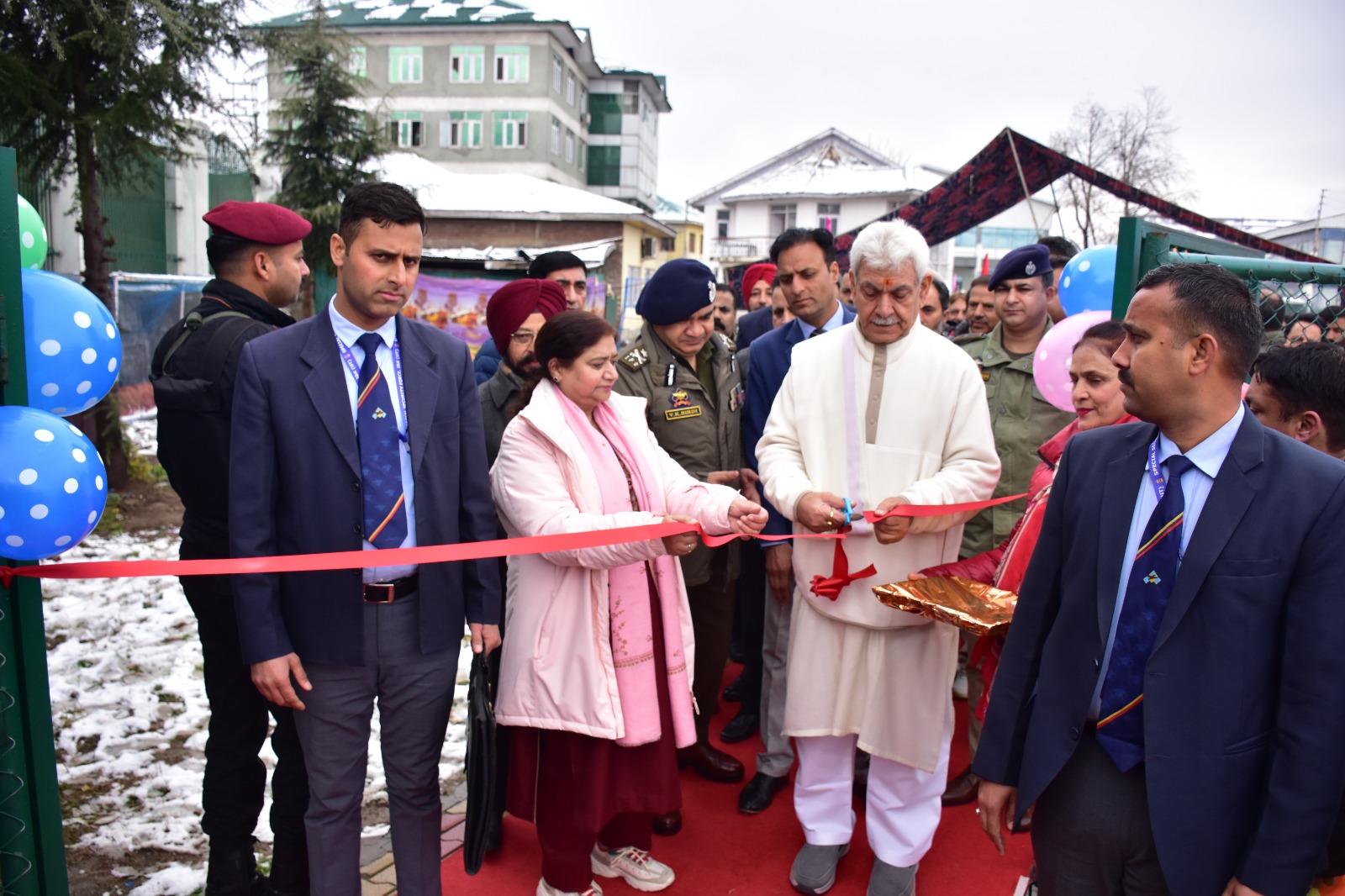
The University of Kashmir, under the dynamic leadership of Prof Nilofar Khan, attaining remarkable milestones, has been accredited with NAAC A++ grade, reflecting its commitment to academic excellence, innovation and quality enhancement.
The University has also secured an impressive thirty-fourth (34th) position in the NIRF rankings and stands eighth among the State Universities of the country. “Fostering international collaborations, Prof Nilofer Khan has embarked on a mission to make the University of Kashmir a true centre of excellence at both national and international levels in research, multi-disciplinary education, innovation, ecosystem and dissemination of knowledge,”, it is stated.
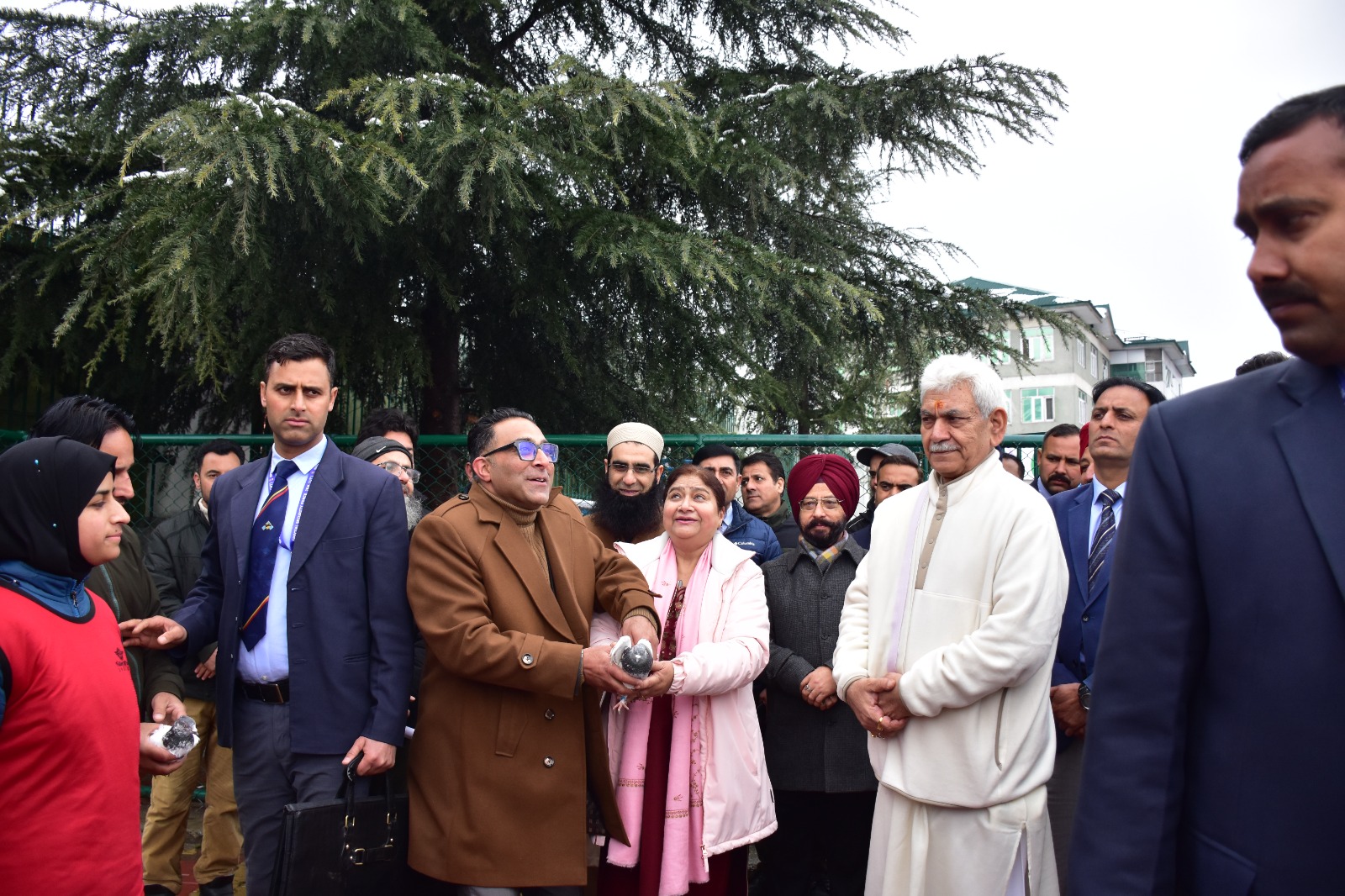
Prof Nilofer Khan has been actively involved in capacity building of women academicians in higher education across the country and has received, among others, an award of honour for her work centred on the cause of women empowerment.
She has visited several universities in the US under an international visitors’ programme and many universities and colleges in Australia, Malaysia, Sudan, the UAE and Spain. Her involvement extends to policy making and governance through memberships in University Council Syndicate, Academic Council and national bodies like the UGC.
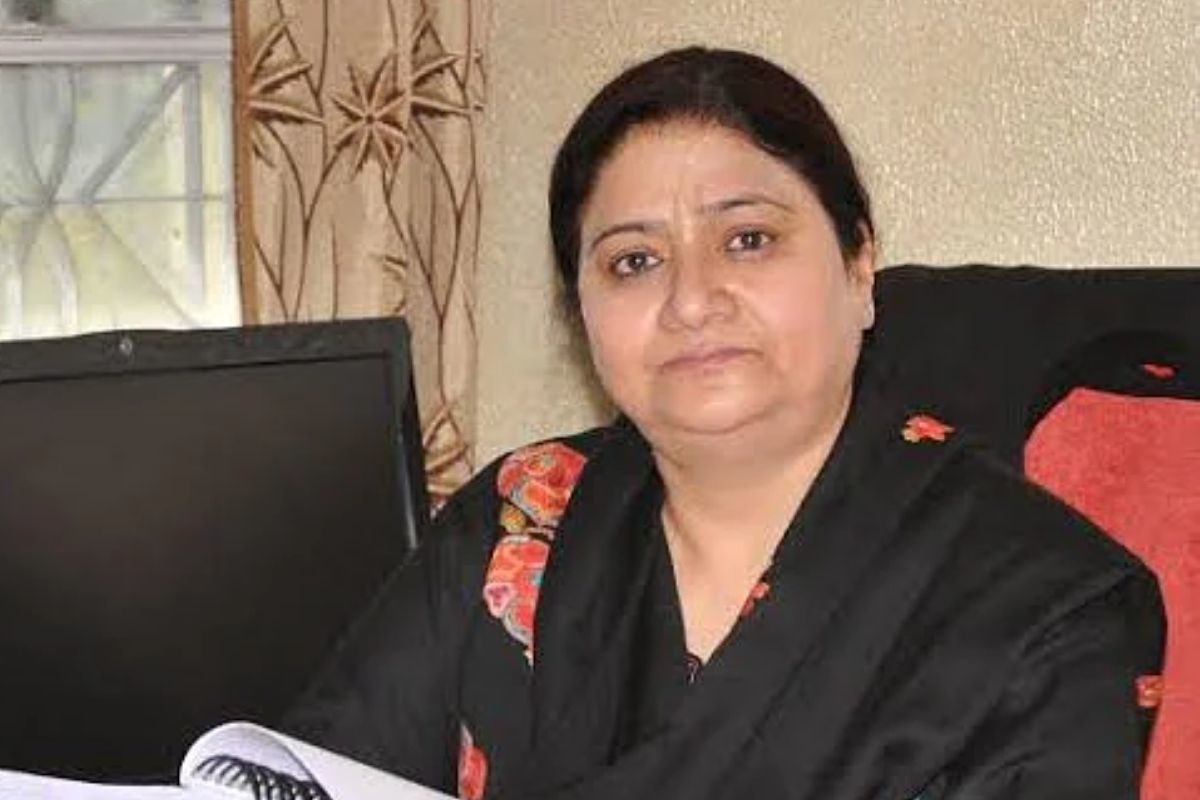
Beginning as an Assistant Professor in 1986, she became Associate Professor in 1992 and Professor in 2001, with a specialization in Extension and Communication within Home Science.
Her academic contributions include curriculum development, introduction of programmes like M.A in Women’s Studies and extensive research supervision with more than 36 Ph.Ds and M.Phil scholars, authored five books, more than hundred publications in national and international journals.
Her areas of research have been Community Nutrition, Gender Studies, Geriatric Health and Human Development, among others. She has been instrumental in establishing new academic avenues, including the Department of Food Science Technology and the Department of Women’s Studies.
Having a PhD in Home Science, she played a vital role as an academician in the Department and headed it before taking on other administrative responsibilities.
These included her services as Dean, Colleges Development Council, Registrar, Dean Faculty of Applied Sciences & Technology and Director, Institute of Home Sciences, Dean Students Welfare and Founder Director, Centre for Women’s Studies and Research.

.jpg "Gujarat’s women entrepreneurs bring their craftsmanship to life during Navratri")








.webp)