Chennai
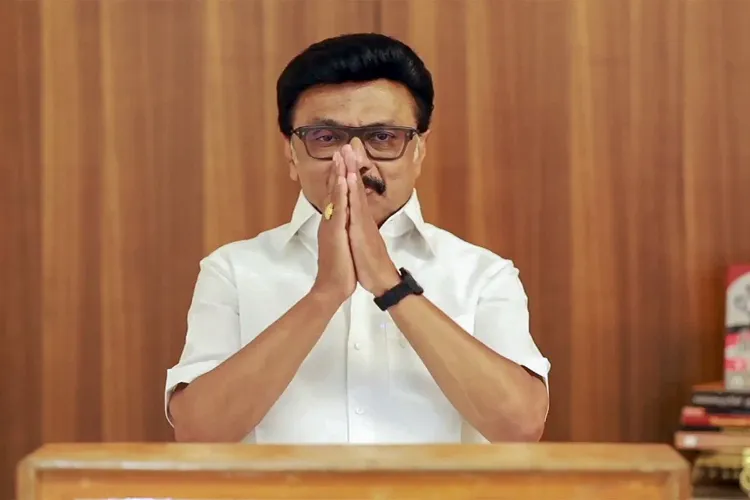
M K Stalin on Tuesday stepped down as Chief Minister of Tamil Nadu after the Dravida Munnetra Kazhagam suffered a major setback in the Assembly elections.
Stalin submitted his resignation to Governor R N Ravi at Raj Bhavan, officially ending the DMK-led government’s tenure. Sources said the resignation letter has been forwarded to the Governor’s office, with formal acceptance expected shortly.
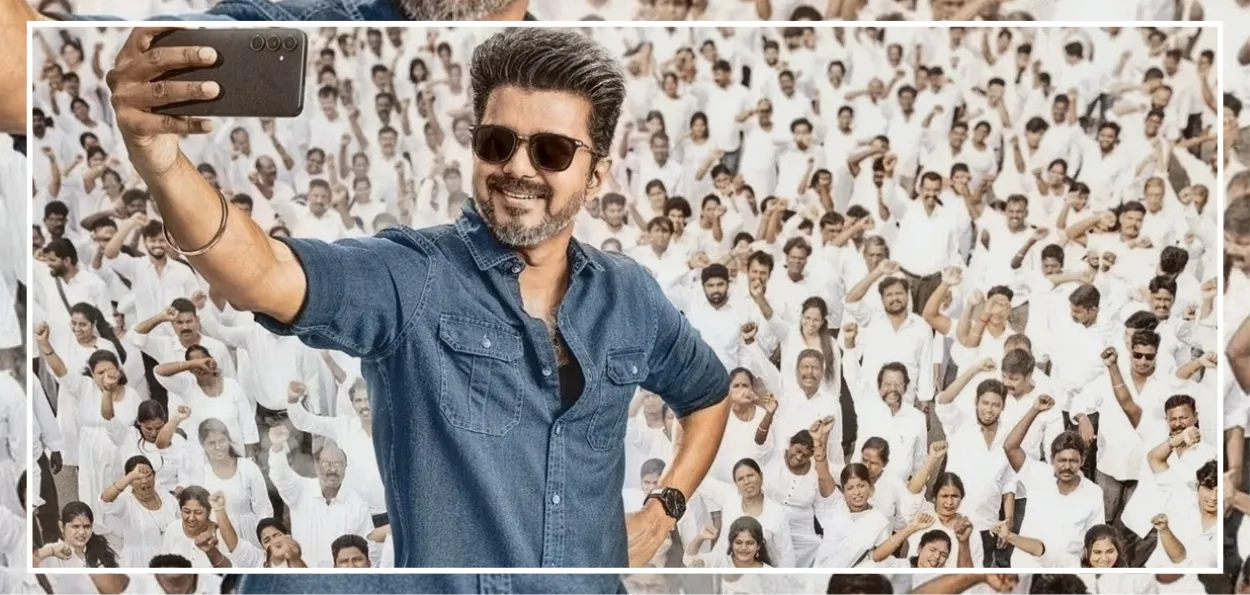
The resignation follows a dramatic shift in the state’s political landscape, with actor-turned-politician Vijay-led Tamilaga Vettri Kazhagam emerging as the largest party in the 234-member Assembly after securing 107 seats, just short of the majority mark. The DMK, in comparison, managed to win 59 seats.
In the aftermath of the results, key allies of the DMK-led front, including Thol Thirumavalavan, leaders of Communist Party of India (Marxist) and Communist Party of India, are expected to meet Stalin at the party headquarters to discuss the future political strategy.
The elections also produced a major upset in Kolathur, long considered Stalin’s political bastion, where he was defeated by TVK candidate V S Babu by 8,795 votes.
Despite the defeat, Stalin thanked the voters for their support and said the mandate reflected continued faith in the DMK-led secular alliance.
In a message posted on social media, he said the alliance received more than 1.54 crore votes across the state and that the gap in vote share between the alliance and the winning party remained narrow.
He added that every vote received by the alliance would be regarded as a valuable expression of public trust and reaffirmed his commitment to continue serving the people.
READ MORE: Firdous Khan's journey is a blend of literature and journalism
The election outcome marks a significant transition in Tamil Nadu politics, with TVK now expected to initiate discussions with potential allies to form the next government in the state.








.webp "Congress President Mallikarjun Kharge")
.webp "Bhagwant Mann, Chief Minister of Punjab")


_(1).webp)