




Jaipur
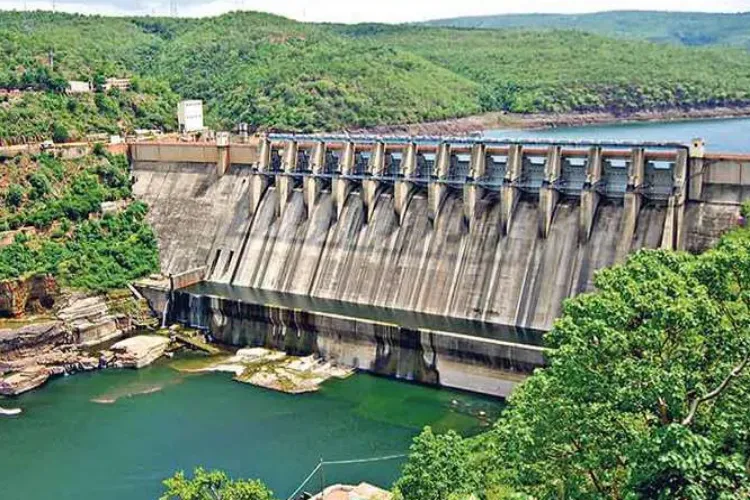
A comprehensive scientific assessment is currently being conducted on three major dams near Jaipur—Kanota, Chandlai and Nevta—with the objective of addressing water pollution and evaluating their long-term conservation and development prospects, officials said.
The study is being carried out by specialists from a central government–authorised agency and will culminate in the submission of a detailed project report (DPR) to the Rajasthan government. Water Resources Minister Suresh Rawat said the exercise is expected to be completed within a month, after which a structured conservation and development plan will be drawn up.
According to Rawat, the assessment focuses on improving water quality and identifying the sources and nature of pollution affecting the reservoirs. It also includes GIS-based mapping, biodiversity evaluation, adoption of advanced water treatment technologies and the exploration of livelihood opportunities for local communities, including eco-tourism.
The DPR will outline the volume and type of polluted inflows entering the dams and recommend measures to prevent contamination. It will also suggest mechanisms for the safe disposal or treatment of polluted water, along with a long-term strategy for sustainable development.
The study is also examining the tourism potential of the three sites. Proposals under consideration include boating facilities, development of green spaces and initiatives to encourage both daytime and evening tourism activities. Rawat said the initiative aligns with the Bhajanlal-led state government’s broader vision of positioning Rajasthan as a model for water management and environmental conservation.
Located within easy driving distance of Jaipur, the Kanota, Chandlai and Nevta dams were built several decades ago primarily to support irrigation and water storage. Over time, issues such as pollution, encroachment and insufficient upkeep diminished their utility. However, their scenic surroundings and ecological importance have renewed interest in restoring them as sustainable tourism destinations.
Officials said the dams offer scope for activities such as bird watching, nature trails and boating, making them attractive weekend getaways for Jaipur residents and visitors alike.
Kanota Dam, located along the Jaipur–Agra highway, is known for its open terrain and seasonal greenery. Chandlai Dam, situated near the Jaipur–Kota highway, irrigates farmland across multiple villages and becomes a habitat for migratory birds during winter.
“With careful planning, Chandlai can support eco-tourism and educational visits while continuing to serve as an important water source,” an official said.
Nevta Dam, near Sanganer, is among the oldest reservoirs in the region and lies close to Jaipur’s expanding urban limits. Spread across a large catchment, it is considered suitable for the development of green zones, walking paths and recreational facilities.
ALSO READ: A boy's journey from Kupwara to India’s top labs as scientist
“The goal is to strike a balance between tourism growth and the protection of natural ecosystems,” the official added.










.webp "Representational Image")
.webp "Haryana CM Nayab Singh Saini")

_(1).webp)
.webp)