Eman Sakina
Shab-e-Barat, translated as the night of forgiveness or the night of freedom from the fire, holds a special place in the spiritual life of many Muslims. Observed on the 15th night of Sha‘ban, the eighth month of the Islamic lunar calendar, this night is associated with reflection, repentance, and renewed hope in Allah’s mercy.
While its observance varies across cultures, its essence remains deeply rooted in the Islamic understanding of accountability, divine compassion, and preparation for Ramadan. Shab-e-Barat is more than a night of ritual; it is a night of hope, mercy, and renewal.
It continues to inspire millions to seek forgiveness and spiritual growth. When observed with understanding and sincerity, Shab-e-Barat becomes a powerful reminder that no soul is beyond redemption and that Allah’s mercy always surpasses human shortcomings.
The word “Barat” is derived from the Arabic term bara’ah, meaning freedom, absolution, or release. Historically, Shab-e-Barat has been understood as a night when Allah’s mercy is abundantly bestowed and when people turn sincerely toward Him seeking forgiveness for past sins.
Several narrations mention the significance of the 15th night of Sha‘ban, stating that Allah looks upon His creation with mercy and forgives those who seek forgiveness, except those who persist in major sins such as arrogance, hatred, or associating partners with Him. While scholars differ on the strength of individual narrations, many agree that this night carries spiritual importance and encourages acts of devotion.
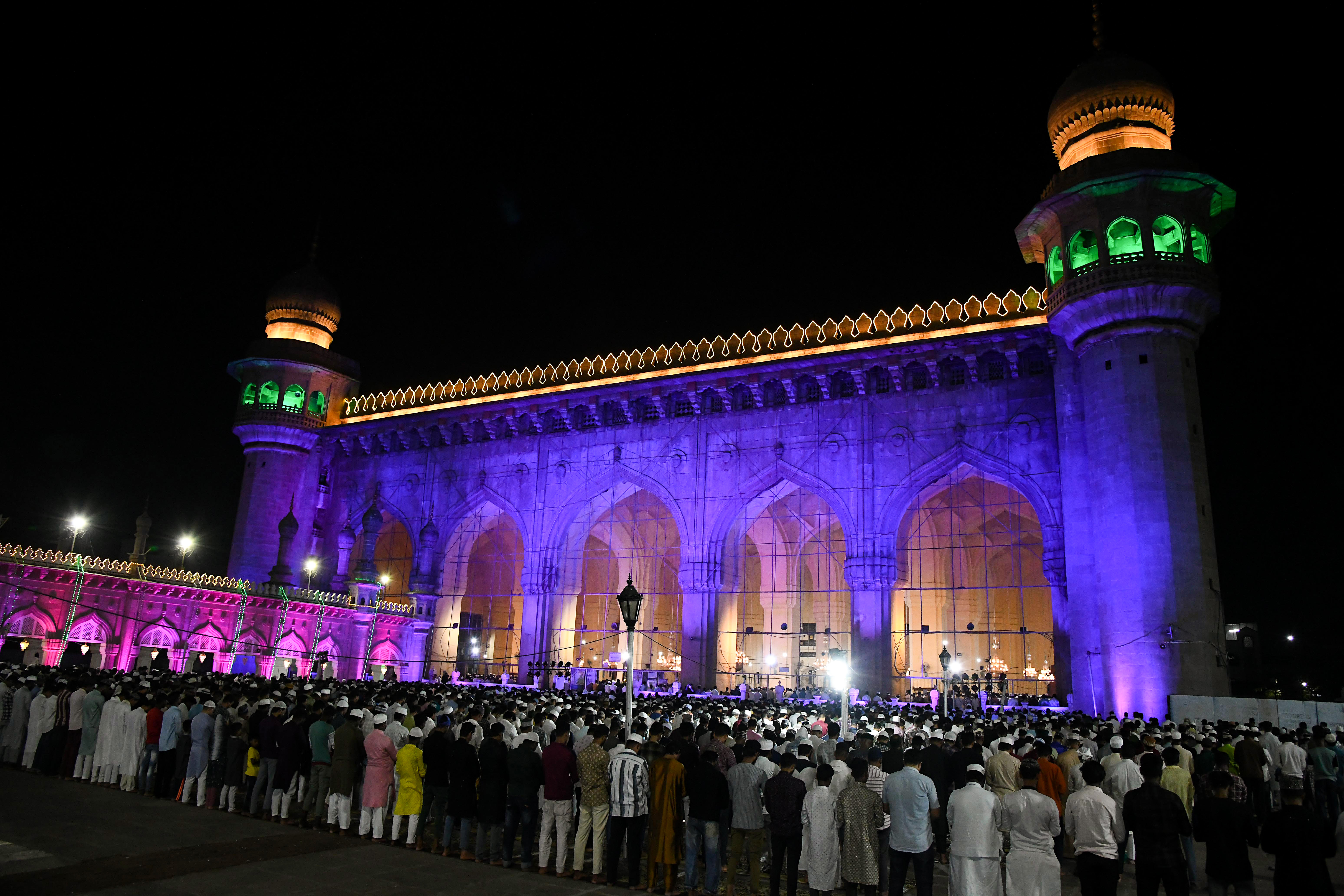 People praying at Makkah Masjid on Shabe Barat
From early Islamic history, this night was regarded as a time of spiritual preparation—a bridge between the ordinary months and the extraordinary month of Ramadan. It served as a reminder that hearts must be cleansed before entering a month of intense worship and self-discipline.
Over centuries, Shab-e-Barat has developed rich traditions shaped by local cultures, particularly in South Asia, Central Asia, and parts of the Middle East.
Night Worship
Many Muslims spend the night engaged in voluntary prayers, recitation of the Qur’an, supplication (du‘a), and seeking forgiveness. Mosques may remain open late into the night, fostering a collective atmosphere of devotion and reflection.
Fasting
Some believers observe fasting on the following day as a continuation of spiritual discipline, inspired by the Prophet Muhammad’s frequent fasting during the month of Sha‘ban.
Charity and Kindness
Giving charity on or around Shab-e-Barat is a common tradition. Acts of kindness—feeding the poor, helping neighbours, or reconciling broken relationships—are viewed as meaningful ways to seek Allah’s pleasure.
Visiting Graves
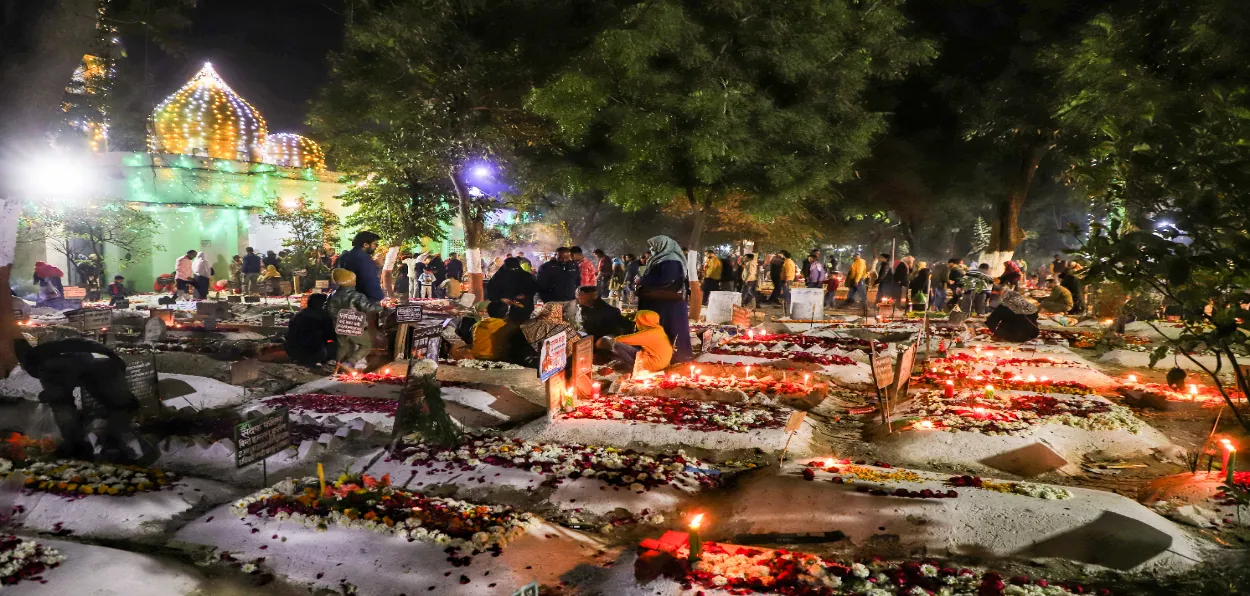
In many communities, people visit graveyards to pray for deceased loved ones. This practice serves as a reminder of life’s temporary nature and encourages humility and moral responsibility.
Community and Family Traditions
In some cultures, homes are illuminated, special sweets are prepared, and food is shared with neighbours. While these customs are cultural rather than religious obligations, they reflect the communal spirit associated with the night.
Islamic scholars have long emphasised moderation and sincerity in observing Shab-e-Barat. While encouraging extra worship and repentance, they caution against considering cultural practices as obligatory religious acts. The true value of the night lies not in outward rituals alone but in inner transformation, sincere repentance, and improved character.
In today’s fast-paced world, Shab-e-Barat offers a rare pause for self-reflection. It invites believers to disconnect from distractions and reconnect with their Creator. More importantly, it reminds Muslims that forgiveness is not merely sought through words but through lasting change—improving relationships, abandoning harmful habits, and cultivating compassion.
ALSO READ: A boy's journey from Kupwara to India’s top labs as scientist
As Ramzan approaches, Shab-e-Barat stands as a spiritual checkpoint—a moment to realign intentions, cleanse the heart, and prepare for a month of deeper faith and discipline.


.webp "Rocks bearing inscription in ancient Arabic excavated in Saudi Arabia's Madina region")







.webp "Tasir Ali with his five sons donning uniforms")



_(1).webp)