Kathmandu (Nepal)
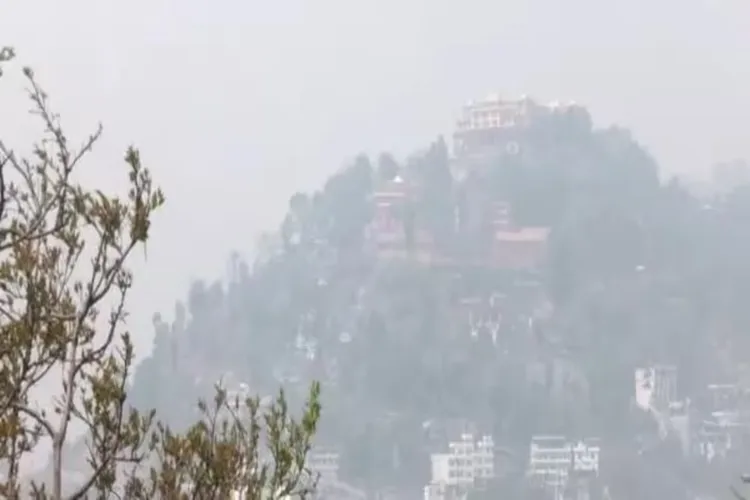
The air quality in Kathmandu has deteriorated sharply in the last 24 hours, with the city ranking as the second most polluted in the world, according to data released by IQAir.
The Air Quality Index (AQI) in Kathmandu was recorded at 247, placing it just behind Lahore, Pakistan, which topped the global list with an AQI of 381. An AQI level above 200 is considered very unhealthy and poses serious health risks to the general population.
PM2.5 refers to particulate matter (solid or liquid droplets) in the air less than 2.5 micrometres in diameter. It is among the most dangerous pollutants that can get past the nose and throat to penetrate the lungs and even the bloodstream. PM2.5 particles are small and are also likely to stay suspended in the air for long, increasing the chances of people inhaling them.
As per the Environmental Protection Agency's air quality index, an air quality reading of 151-200 is considered unhealthy, causing everyone to experience problems and sensitive groups to feel more severe effects.
When air quality reaches 201-300, it is considered a very unhealthy level, and health risks increase for everyone in the area. When it crosses 300, it becomes hazardous, meaning that the air is of extremely poor quality and poses serious health risks to everyone.
Nepali capital Kathmandu, with an area of 413.69-kilometer square in the recent decade, has become a hotspot of air pollution. It has a population density of 12, 440 square miles with a population of 1,988,606 as per the 2022 census data.
Smoke from industries, houses, vehicular emissions and haphazard burning of wastes has been contributing to the increased pollution. Plies of vehicles which has failed the emission tests are further fueling the pollutants contributing to the industrial smokes.
The Himalayan Nation's Ministry of Health reports that air pollution causes 42,000 deaths in Nepal annually, 19 per cent of which are children under five and 27 per cent are individuals over 70. The data indicate that air pollution has decreased the life expectancy of Nepalis by 4.1 per cent.
Nepal's air quality is far worse than the World Health Organisation's safe air standards, making this a growing public health crisis.
Health experts warn that prolonged exposure to such high pollution levels can lead to respiratory problems, aggravate existing heart and lung diseases, and increase the risk of long-term health complications. Children, the elderly, and those with pre-existing conditions are particularly vulnerable.
READ MORE: West Bengal Polls: In first phase, 152 seats outcome crucial for Mamata, BJP
Authorities have repeatedly urged residents to limit outdoor activities, wear protective masks, and follow safety advisories during periods of severe pollution. However, concerns persist over the lack of effective long-term measures to address Kathmandu's worsening air quality.
With pollution levels continuing to fluctuate, environmentalists stress the need for stricter enforcement of emission standards, improved urban planning, and sustainable transport solutions to mitigate the crisis.