New Delhi
The Pahalgam attack was not merely an act of violence; it was an assault on humanity itself. Such brutality defies adequate condemnation, for there can be no justification for taking innocent lives. Terrorism has no place in any civilised or religious society, and those responsible for the Pahalgam attack must be brought to justice.
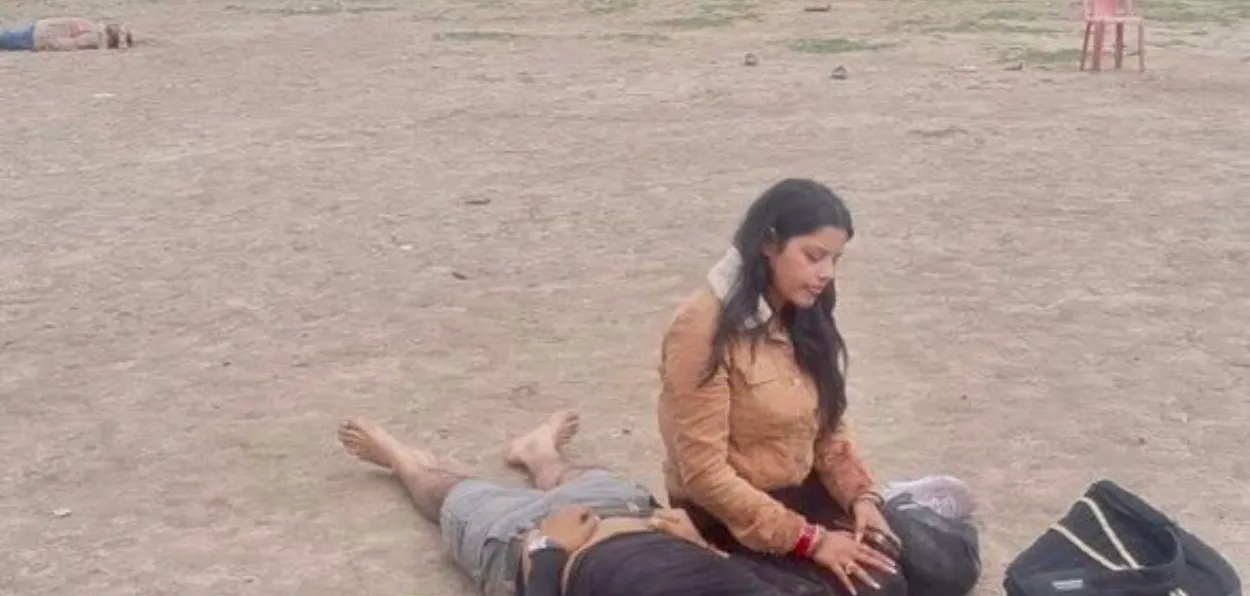
These sentiments were echoed by Muslim scholars and intellectuals on the first anniversary of the attack, in which 25 tourists and a local Kashmiri lost their lives. Condemning the incident unequivocally, they described it as an attack on the unity and spirit of the nation. Despite the malicious intent of those behind the gruesome killings in Baisaran Valley, they asserted, the people of India stood united and thwarted their divisive designs.
Even a year later, the pain of the tragedy remains palpable across the country.
 Maulana Syed Muhammad Ashraf Kachchhvi, speaking from Kashmir, invoked a verse from the Quran: “We have bestowed upon mankind the highest honour and dignity.” He emphasised that human beings are created with inherent dignity, and that compassion and mercy toward others form the core of true faith. The incident in Baisaran, he said, was not just a terrorist act but a grave sin against humanity—one that finds no justification in any religion or civilisation.
He described the killing of people who had come to Kashmir in search of peace as a reflection of an inhuman mindset. Expressing solidarity with the bereaved families, he noted that the pain of the tragedy extends far beyond those directly affected and continues to weigh heavily on every sensitive heart.
Islam, he added, teaches believers to stand together in times of sorrow. In that spirit, religious leaders in Kashmir prayed for the victims and urged people of all faiths to offer prayers for the deceased in their own ways. The bond of humanity, he stressed, transcends religion, and it is a collective responsibility to support grieving families.
In the aftermath of the attack, the Kashmir administration closed 48 tourist destinations for security reasons. While some have since reopened, Baisaran Valley remains shut even after a year. Restrictions continue on routes leading to the area, which once bustled with visitors but now stands in eerie silence.
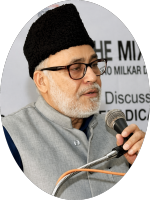
Maulana Kachchhvi observed that the wounds in the hearts of Kashmir’s people cannot heal fully until tourists regain the confidence to return. This, he said, is not merely an economic concern but a matter of emotional connection. Terrorism seeks to weaken the bonds built over the years between Kashmir and its visitors, but such efforts will not succeed. The true identity of Kashmir lies not in the sound of gunfire but in its enduring spirit of love and humanity.

He further noted that the attack was an attempt to divide the country, but India’s civilisational strength prevented such fragmentation. Calling it an irreparable loss for the victims’ families, he expressed solidarity with those still grappling with the trauma. Terrorism, he reiterated, has no religious basis and cannot be justified in the name of faith.
Paying tribute to the victims, he expressed deep condolences to their families and prayed for strength and patience for the bereaved. He emphasised that it is the responsibility of all people—not only Muslims but all those who value peace—to raise their voices in defence of humanity. Terrorism, he said, represents neither religion nor nation; it is pure cruelty and a grave crime against humanity.
Reflecting on the tragedy, he said it serves as a reminder that even in the face of violence, humanity endures. Like resilient green shoots, the values of peace and compassion continue to grow, offering hope in every era. He concluded with a prayer for peace and unity, urging people to stand together against hatred and violence, and to continue striving for harmony and brotherhood.
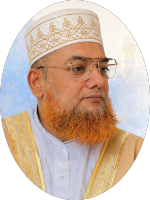 Maulana Muhammad Shafiq Qasmi, Imam of Nakhda Mosque in Kolkata, also strongly condemned the attack. He stated that terrorism cannot be justified by any ideology or logic, and that nothing is more precious than human life. He called for a thorough investigation and strict punishment for those responsible.
ALSO READ: Pahalgam attack anniversary: Memorial for Adil, 25 tourists mocks Pak's treachery
Expressing anguish over the lack of decisive action, he demanded the harshest penalties for the perpetrators, arguing that justice must be visible and decisive to bring solace to the victims’ families.

.webp "Representational Image")








.webp)