Melbourne
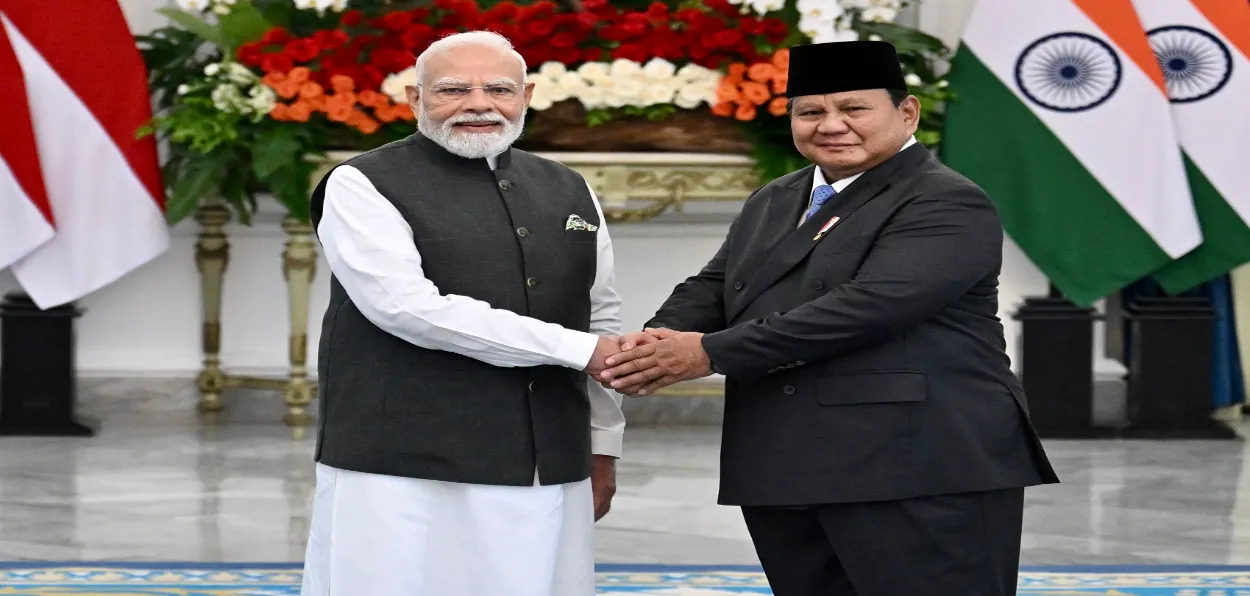
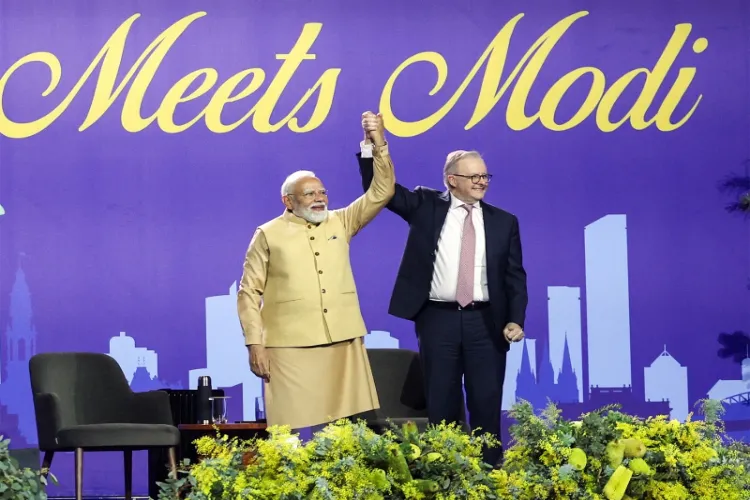
Prime Minister Narendra Modi and his Australian counterpart Anthony Albanese concluded the third Australia-India Annual Leaders' Summit on Thursday, marking a significant milestone in the two nations' six-year Comprehensive Strategic Partnership.
The meeting, hosted in Melbourne, resulted in a landmark suite of agreements focused on reinforcing the Indo-Pacific's security architecture, securing critical mineral supply chains, and accelerating the transition to clean energy.
According to the joint statement released by the PMO Australia, central to the summit was the release of a new Joint Declaration on Defence and Security Cooperation, which effectively replaces the 2009 security pact and deepens military integration.
"Australia values India as a top-tier security partner, and the Declaration reflects our shared commitment to a peaceful, stable and prosperous Indo-Pacific region," Prime Minister Albanese stated. "We will boost strategic coordination, increase the complexity of our defence exercises and further build interoperability between our defence forces."
Prime Minister Modi underscored the practical implications of this shift, noting the creation of an India-Australia Defence Innovation Corridor.
"Through the India-Australia Defence Innovation Corridor, we will work to connect defence startups and industries," Modi said. "Our maritime security collaboration roadmap will infuse new strength to our shared efforts in the Indo-Pacific."
Another major breakthrough of the summit was the finalisation of the administrative arrangements required to implement the 2015 Australia-India Nuclear Cooperation Agreement. This milestone paves the way for the export of Australian uranium to India, exclusively for peaceful, IAEA-safeguarded civil nuclear energy programs.
"The arrangement facilitates Australian uranium exports to India to help increase the share of non-fossil fuel power capacity, providing an additional market for the Australian resources sector," Prime Minister Albanese stated.
Prime Minister Modi echoed this sentiment, noting that the agreement would "give our clean energy objectives fresh momentum" as India seeks to drastically scale its nuclear baseload capacity by 2047.
With a focus on economic security and decarbonisation, the leaders unveiled the Australia-India Partnership on Cyber, Critical Technologies, and Supply Chains (PACTS). The pact aims to develop a "critical minerals corridor," essential for both nations' strategic security and their respective clean energy transitions.
Complementing this is a new Memorandum of Understanding (MoU) between Geoscience Australia and the Geological Survey of India. This partnership aims to map and uncover new deposits, effectively creating a "critical minerals corridor" to secure the supply chains necessary for global clean energy and high-tech manufacturing.
Amid rising regional tensions, the summit served as a platform for both nations to reassert their commitment to a "free, open, and prosperous" Indo-Pacific.
The leaders announced the India-Australia Defence Innovation Corridor, designed to link defence startups and industries, facilitating joint research and production. A new Joint Maritime Security Collaboration Roadmap was endorsed to improve information sharing and operational coordination between the Indian Coast Guard and Australia's Maritime Border Command.
Furthermore, addressing the broader security environment, the leaders issued a stern warning against global threats.
"Both India and Australia believe that terrorism is a serious challenge not just for one single country, but for entire humanity," PM Modi declared. "That is why our fight against terrorism is shared and our resolve is unbreakable."
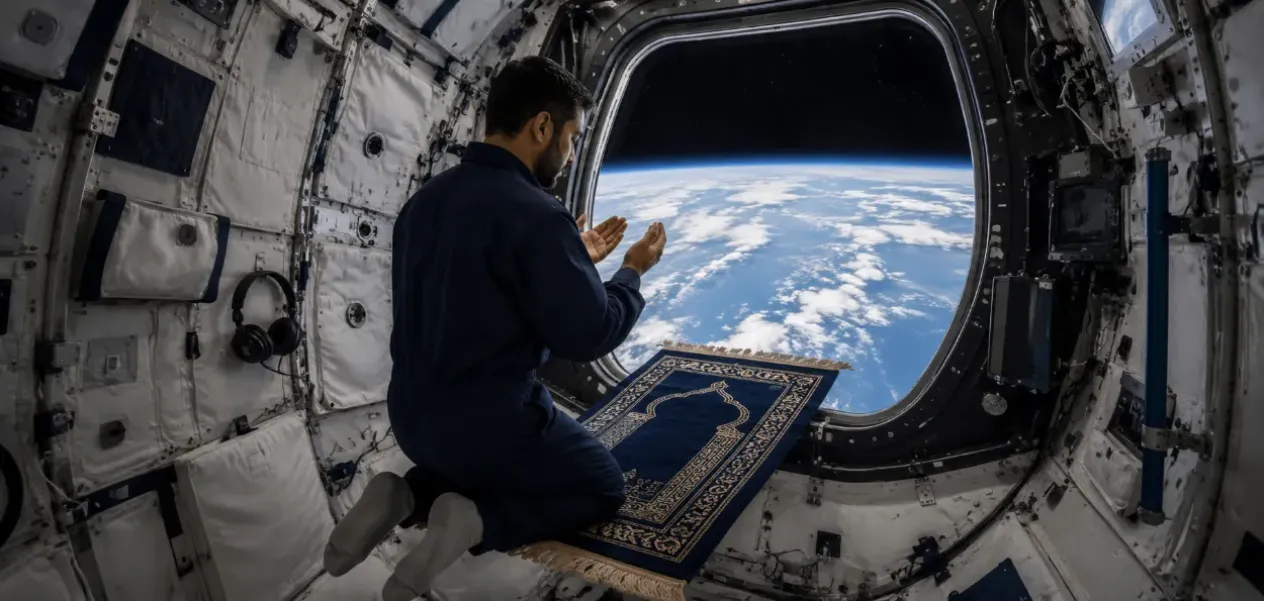
A major highlight of the summit was the agreement to commission a temporary space tracking terminal on the Cocos (Keeling) Islands. This facility is designed to support India's landmark Gaganyaan human spaceflight program, providing essential telemetry tracking for the upcoming crewed missions.
"As we expand our cooperation in science and technology, we have agreed to commission a temporary space tracking terminal on Cocos Keeling Islands which will support India's landmark Gaganyaan human spaceflight program," Prime Minister Albanese announced
Beyond high-level policy, the summit emphasised the "living bridge" of the Indian diaspora and strong people-to-people links. In a lighter moment, Prime Minister Modi likened the bilateral relationship to a game of cricket.
As part of a gesture of goodwill, the leaders also announced the repatriation of an Australian First Nations ancestor held in the Government Museum of Chennai, alongside the return of cultural items from Australian galleries to India.
The Prime Ministers reaffirmed their commitment to finalising the Comprehensive Economic Cooperation Agreement (CECA). Both leaders expressed a desire for an "ambitious, balanced and win-win" deal that would expand upon the success of the 2022 Economic Cooperation and Trade Agreement.
READ MORE: Chhattisgarh Waqf Board turns into a Nikah approval authority
"India-Australia partnership is not just a partnership for the present; it is also a partnership for the future," Modi concluded, inviting Albanese to return to India for further consultations.




.webp "A Maulana with the ancient hand-written Quran")






.webp "Dhurandhar")