




.webp "Representational image")
New Delhi
India on Tuesday reiterated that all outstanding boundary-related issues with Nepal should be addressed through existing bilateral mechanisms, asserting that there is no scope for the involvement of any third party in the matter.
Responding to questions during the weekly media briefing, Ministry of External Affairs spokesperson Randhir Jaiswal said India had taken note of recent remarks by Nepal's Prime Minister and the subsequent clarification issued by Nepal's Foreign Ministry regarding the boundary issue.
Jaiswal noted that nearly 98 per cent of the India-Nepal boundary has already been demarcated, with only a few segments remaining unresolved. He explained that changes in the course of the Gandak River have contributed to some of the outstanding issues.
"While most of the boundary has been settled, a few stretches remain unresolved. In addition, there are instances of cross-border occupation and encroachment in demarcated no-man's land areas, which are currently being jointly mapped and assessed by both sides," he said.
The MEA spokesperson emphasised that India and Nepal already have well-established institutional mechanisms to address all aspects of boundary management and dispute resolution.
"It should be clear that there is no role for any third party in a bilateral matter between India and Nepal," Jaiswal said.
His remarks came in response to reports that Nepal Prime Minister Balendra Shah had suggested the possible involvement of countries such as the United Kingdom and China in discussions relating to border issues, while also reiterating Nepal's commitment to resolving differences with India through dialogue.
Jaiswal further pointed out that both countries are working together to verify and map areas where instances of occupation or encroachment have been identified, including portions of the already demarcated border and no-man's land zones.
The issue has sparked debate within Nepal, with several political parties criticising Shah's comments regarding territorial encroachments. Following the controversy, Nepal's Foreign Ministry issued a clarification explaining that the Prime Minister's remarks referred to technical matters concerning boundary pillars, no-man's land areas, and land usage along the border.
According to Nepal's Foreign Ministry spokesperson Lok Bahadur Paudel Kshetri, technical assessments have indicated that in certain locations, land currently being used by Nepal may fall on the Indian side of the border, while some areas used by India may lie within Nepal's territory.
The Nepali government has maintained that all boundary issues should be resolved peacefully through diplomatic engagement, relying on historical treaties, maps and established agreements.
Jaiswal also recalled India's position on recent comments made by Nepal regarding the Lipulekh Pass route used for the Kailash Mansarovar Yatra. He noted that the route has been in use since 1954 and has facilitated pilgrimages for decades.
India's position on territorial claims remains unchanged, he said, adding that unilateral attempts to expand territorial claims are not supported by historical evidence and are therefore unacceptable.
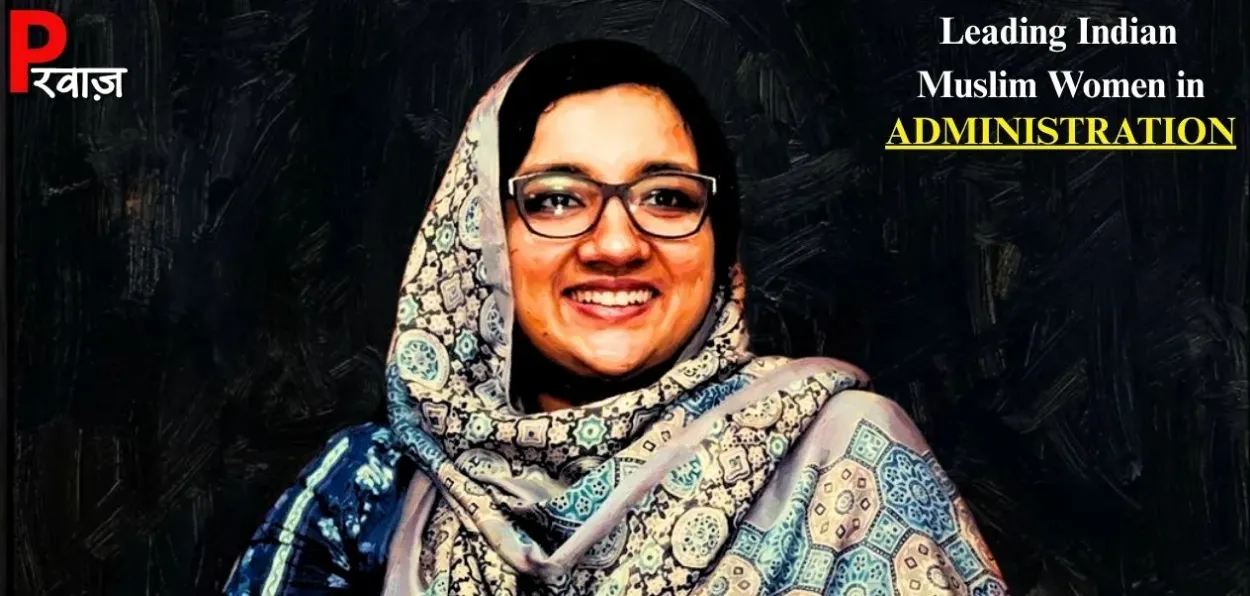
READ MORE: Dr Adeela Abdulla IAS: The officer behind systems that touch everyday lives
He reiterated that India remains committed to maintaining a constructive dialogue with Nepal and is prepared to address all outstanding issues, including boundary concerns, through diplomacy and mutual consultation.













.webp "US President Donald Trump")


.webp)