




Ashhar Alam
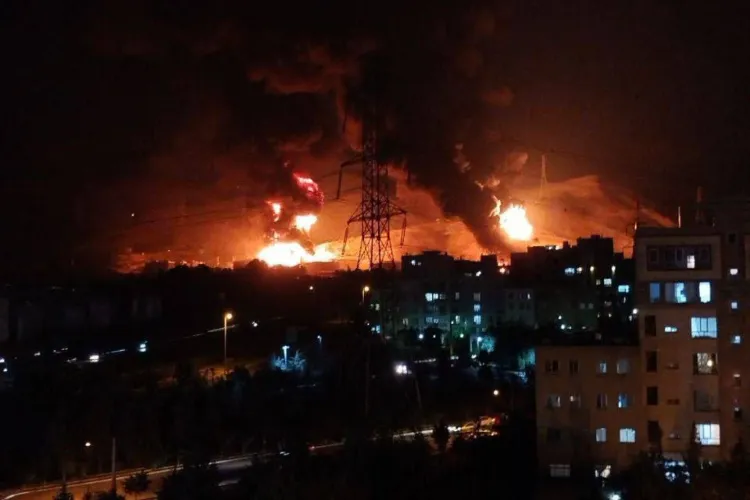
Iran’s nationwide uprising against its theocratic leadership appears to be losing momentum after a week of sweeping internet blackouts and a brutal security crackdown that activists say has left at least 2,615 people dead.
In Tehran, the capital once alive with nightly protests, signs of unrest have faded. Witnesses report quiet streets, no remnants of bonfires, and an absence of the gunfire that echoed for days. The atmosphere, once charged with defiance, now feels subdued under heavy security deployment.
State media, however, continues to broadcast a steady stream of arrest announcements, branding detainees as “terrorists.” Authorities are also reportedly searching for Starlink satellite dishes, seen as the only remaining conduit for images and videos to escape Iran’s digital isolation.
Justice Minister Amin Hossein Rahimi warned that anyone involved in gatherings since January 8 would be treated as a criminal, signalling an uncompromising approach by the regime.
Even as Tehran tightens its grip internally, developments abroad hint at wider tensions. Iran abruptly shut its airspace for more than four hours early Thursday, disrupting international aviation on a critical East-West corridor. Airlines diverted flights north and south, reviving concerns of regional instability.
Though Iranian authorities later claimed normal operations had resumed, the unexplained closure sent ripples through the global aviation industry. Analysts noted that similar shutdowns occurred during previous flare-ups involving Israel and during last June’s 12-day conflict.
The US, meanwhile, repositioned some personnel from Qatar’s Al Udeid Air Base and advised diplomats in Kuwait to avoid areas near American military installations moves that added to speculation about heightened security risks.
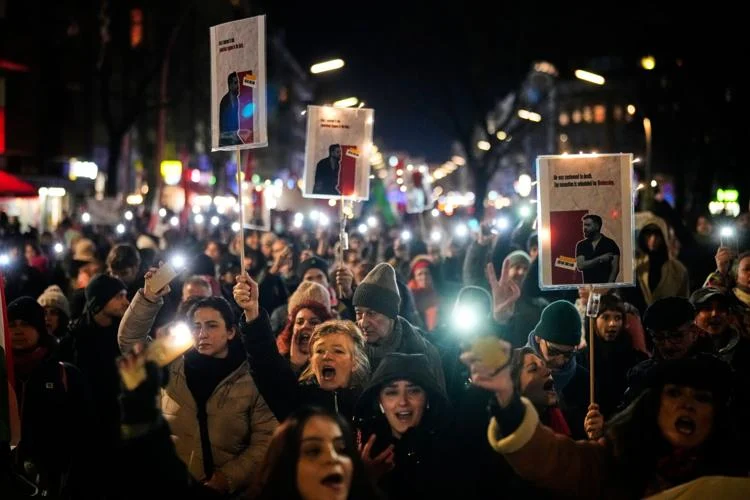
Inside Iran, the digital blackout has sharply curtailed the flow of protest footage, making it increasingly difficult to gauge the scale of dissent. Outside the country, however, demonstrations against Tehran’s crackdown have intensified, keeping international attention focused on the unfolding crisis.
The UN Security Council convened an emergency meeting on Iran at Washington’s request, while US President Donald Trump made ambiguous remarks suggesting executions may have been paused. His comments followed earlier statements promising support for Iranian protesters.
Iranian Foreign Minister Abbas Araghchi struck a more conciliatory tone, urging dialogue over confrontation. “Between war and diplomacy, diplomacy is better,” he said, despite expressing skepticism over US intentions.
Activists warn that mass executions could still follow, as Iran’s judiciary pushes for swift punishment of detainees. According to the Human Rights Activists News Agency, the death toll from the crackdown has already surpassed any protest movement in Iran in decades drawing grim comparisons to the turmoil surrounding the 1979 Islamic Revolution.
READ MORE: Osama played Oud and stole the show at New Delhi World Book Fair
With communications tightly restricted, independent verification remains difficult. The Iranian government has yet to release official casualty figures.
What remains clear is that while the streets may have fallen silent, the crisis confronting Iran and the international community has not.








.webp)