




Dubai
Tensions in the Gulf escalated on Wednesday as Iran reportedly targeted a third vessel in the Strait of Hormuz, even as US President Donald Trump announced an indefinite extension of Washington’s ceasefire with Tehran.
Iranian media outlets said the paramilitary Revolutionary Guard struck a ship identified as Euphoria, leaving it stranded near the Iranian coast. Two other vessels previously attacked in the strategic waterway have reportedly been seized.
Despite the ceasefire extension, prospects for renewed diplomacy remain uncertain. Iran acknowledged the truce but has not confirmed participation in a proposed new round of talks with the United States, which were expected to be hosted by Pakistan. The White House has already suspended Vice President JD Vance’s planned visit for the negotiations.
Iran’s foreign ministry accused Washington of acting in “bad faith,” saying Tehran would decide on future talks only if conditions align with its national interests.
Regional tensions persist
Violence has continued elsewhere in the region despite ceasefire arrangements. In southern Lebanon, an Israeli strike killed two people, while cross-border hostilities between Israel and Hezbollah have persisted with drone attacks and retaliatory actions reported on both sides.
France confirmed the death of a second peacekeeper injured in a recent attack on UN forces in Lebanon. President Emmanuel Macron said the soldier succumbed to injuries after being repatriated.
Meanwhile, Lebanon’s President Joseph Aoun said diplomatic efforts are ongoing to extend the fragile ceasefire and initiate broader negotiations with Israel.
Economic and energy concerns deepen
The conflict is increasingly impacting global markets. Oil prices surged amid uncertainty, with Brent crude briefly crossing the USD 100 mark, even as US stock indices moved higher on strong corporate earnings.
International Energy Agency chief Fatih Birol warned the world could be facing an unprecedented energy crisis, citing disruptions not only in oil and gas but also in key industrial inputs like petrochemicals and fertilisers.
Similarly, EU Energy Commissioner Dan Jørgensen cautioned that the crisis could drive up prices for months or even years, comparing it to the shocks of 1973 and 2022.
The ripple effects are already being felt across industries, with rising oil costs pushing up prices of petroleum-derived goods ranging from plastics to textiles and toys.
Strategic risks widen
Security concerns have also expanded beyond military strikes. Iranian-linked media highlighted vulnerabilities in undersea data cables running through the Strait of Hormuz, raising fears of potential disruptions to regional communications infrastructure.
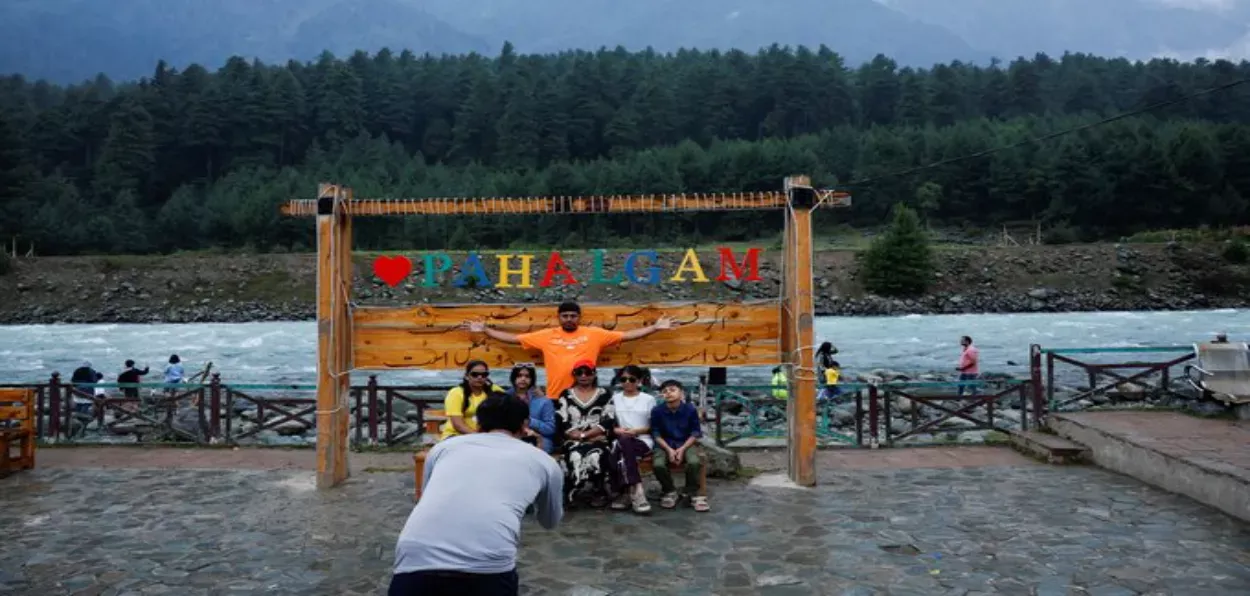
READ MORE: Pahalgam attack anniversary: Memorial for Adil, 25 tourists mocks Pak's treachery
On the ground, uncertainty continues to grip civilians. Residents in Tehran reported anxiety over whether the ceasefire would hold, reflecting broader concerns about the trajectory of the conflict.














.webp)