Kathmandu
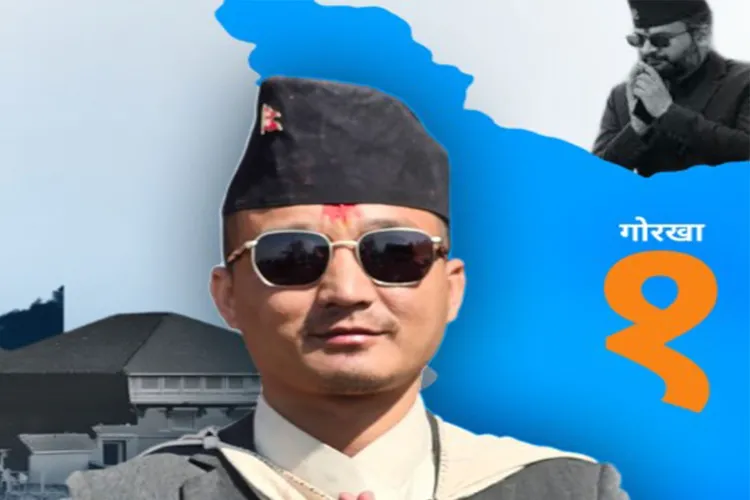
Nepal’s Home Minister Sudan Gurung resigned on Wednesday, just over three weeks after assuming office, amid mounting allegations concerning his financial dealings.
Gurung, who took oath on March 27, had drawn widespread attention early in his tenure after ordering the arrest of former prime minister K P Oli and then home minister Ramesh Lekhak within 24 hours of taking charge.
His resignation follows intensifying criticism over alleged links to a controversial businessman and reported share transactions that raised concerns about conflict of interest.
Announcing his decision on social media, Gurung said he stepped down to facilitate a fair and independent probe into the allegations and to uphold ethical standards in public office.
“Ethics matter more than position, and public trust is paramount,” he stated, also referencing the ongoing youth-led movement in the country that has been demanding transparency, accountability, and clean governance.
Gurung had been an active participant in the September 2025 Gen Z-led protests, which called for systemic reforms. During the demonstrations, he was seen supporting protesters at key sites in Kathmandu, including Maitighar Mandala and Naya Baneshwor.
He was also instrumental in facilitating political coordination between Prime Minister Balendra Shah and Ravi Lamichhane, the president of the Rastriya Swatantra Party (RSP).
According to the Prime Minister’s Office, Gurung has formally submitted his resignation to Shah, who has decided to retain the Home Ministry portfolio himself for the time being.
Earlier this month, the government had also removed Labour Minister Dip Kumar Sah following allegations of misuse of office. The action came after a recommendation from the RSP leadership.
READ MORE: Pahalgam attack anniversary: Memorial for Adil, 25 tourists mocks Pak's treachery
The current administration, led by Shah, came to power in the wake of the September 2025 protests that led to the collapse of the Oli-led coalition government. The movement, driven largely by younger citizens, highlighted issues of corruption and governance, and resulted in significant casualties and widespread damage to public and private property, as per official assessments.












.webp)