Taipei (Taiwan)
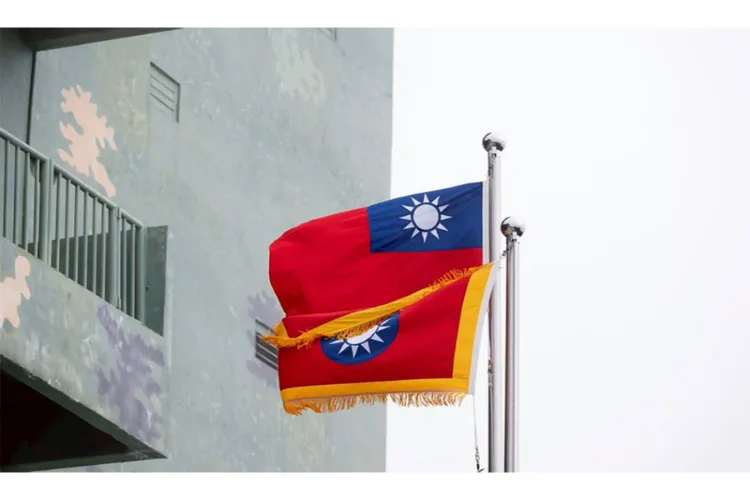
Taiwan's Legislative Yuan has unanimously passed a resolution condemning Beijing's alleged efforts to block President William Lai's planned visit to Eswatini in late April, according to a report by The Taipei Times.
As reported by The Taipei Times, the resolution was introduced by the ruling Democratic Progressive Party after the Presidential Office canceled Lai's scheduled April 21 trip to Eswatini. The cancellation came just before his departure when Seychelles, Mauritius and Madagascar reportedly withdrew previously granted flight clearances for the president's chartered aircraft.
The Taipei Times reported that an unnamed national security official claimed China had pressured the three African nations by threatening to withdraw significant debt relief measures, suspend financing arrangements and impose additional economic penalties if they allowed Lai's flight to proceed.
In the resolution, lawmakers criticised what The Taipei Times described as China's use of diplomatic and economic leverage to compel third countries to revoke flight permissions. The legislature argued that such actions jeopardised aviation safety, violated international norms and principles, and undermined sovereign equality as well as the principle of noninterference.
According to the report, the resolution further stated that Beijing's actions challenged the international order and sought to restrict the Republic of China's ability to engage with the global community. The measure emphasised bipartisan unity, declaring that lawmakers from all political parties would stand together in defending Taiwan's sovereignty, democratic system, freedoms and international dignity, The Taipei Times reported.
READ MORE: Nagma Mallick builds India's case before the world through quiet diplomacy
The latest dispute highlights the continuing tensions between Taiwan and China, which views Taiwan as part of its territory and opposes any move that could enhance Taipei's international profile. Taiwan, meanwhile, maintains that it is a self-governing democracy with the right to conduct foreign relations. Beijing has frequently used diplomatic and economic pressure to limit Taiwan's engagement with other countries and international organisations. The disagreement over President William Lai's travel plans reflects the broader struggle between the two sides over sovereignty, international recognition, and participation in global affairs.
_(1)_(1).webp "Jagannath Rath Yatra")









.webp)
_(1).webp)

.webp)