Dubai
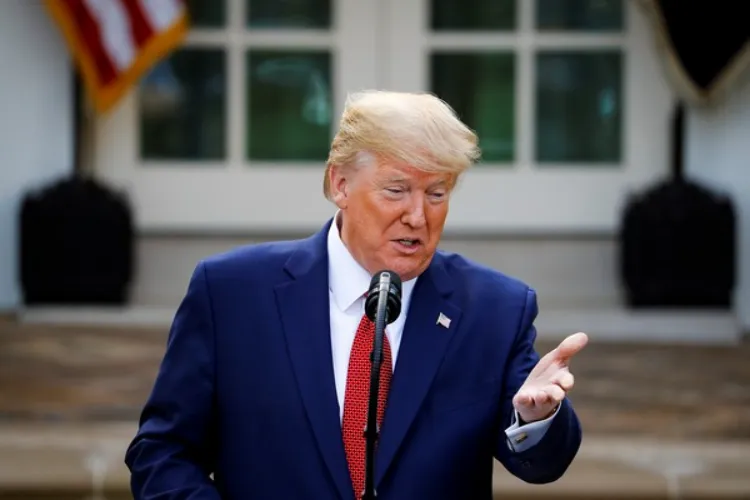
The ongoing conflict in West Asia escalated further on Wednesday, with Iran continuing strikes across Israel and several Gulf countries, even as air raids targeted Tehran. The situation remains volatile, with shifting signals from Donald Trump on whether the United States will scale back or deepen its involvement.
In a strongly worded message on social media, Trump warned Iran against blocking the strategically critical Strait of Hormuz, a vital corridor for global oil shipments. He threatened severe military consequences if the waterway remains disrupted. The remarks appeared to contrast with his earlier statements suggesting the US might step back from ensuring maritime security in the region.
Despite occasional indications that the conflict could end within weeks, the US has continued to reinforce its military presence, with additional troops moving into the region amid speculation of a broader offensive.
Iran, however, has shown no signs of backing down. Foreign Minister Abbas Araghchi rejected US threats, asserting that Tehran would continue to defend itself without accepting external pressure or deadlines. Iranian officials also dismissed claims by Trump that Tehran was seeking a ceasefire.
The conflict has placed the Strait of Hormuz at the centre of global concern. Iran has maintained pressure on this key maritime route, raising fears over energy supplies and international trade.
Oil markets have reacted sharply, with global crude prices rising significantly since the conflict began in late February, contributing to higher fuel and commodity costs worldwide.
Efforts to reach a ceasefire remain unclear. Washington has reportedly proposed a multi-point plan that includes reopening the Strait and curbing Iran’s nuclear activities. Tehran, however, maintains that its nuclear programme is peaceful and has insisted on retaining control over its territorial waters.
Although indirect communication channels remain open, Iran has expressed deep scepticism about negotiations with the US, citing a lack of trust.
The conflict has widened geographically, with Iran-linked strikes targeting multiple countries in the Gulf:
A missile hit an oil tanker off Qatar’s coast, though no casualties were reported.
Another tanker was attacked near Dubai a day earlier.
In the United Arab Emirates, debris from an intercepted drone caused a fatality in Fujairah.
Kuwait reported a drone strike on a fuel facility at its international airport, triggering a major fire.
Jordan and Saudi Arabia intercepted missiles and drones launched from Iran.
In Israel, air raid sirens were activated as missiles approached major cities, including Tel Aviv. While explosions were heard, there were no immediate reports of casualties.
Meanwhile, an airstrike in Tehran appeared to impact areas near the former US Embassy compound, a site historically significant since the 1979 hostage crisis.
The conflict has also intensified along Israel’s northern front. Israeli forces carried out strikes in Beirut, killing at least five people. The escalation follows continued hostilities with Hezbollah, the Iran-backed group based in Lebanon.
The fighting has triggered large-scale displacement in Lebanon, with over a million people reportedly affected. Casualties have mounted on all sides, including civilians, soldiers, and US personnel deployed in the region.
The war has already resulted in thousands of deaths across Iran, Israel, Lebanon, and neighbouring regions, while global economic pressures continue to mount due to disruptions in energy supply chains.
READ MORE: Aneesa Sayyad: The ‘Golden Girl’ of Indian shooting
With no clear diplomatic breakthrough in sight and military actions intensifying, the conflict risks expanding further, raising concerns of a prolonged and wider regional war.














_(1).webp)