




Tehran
Iran on Monday dismissed a ceasefire proposal put forward by the United States, instead presenting its own comprehensive plan aimed at achieving a long-term resolution to the ongoing West Asia conflict.
According to the Islamic Republic News Agency (IRNA), Tehran’s 10-point framework includes a cessation of hostilities across the region, measures to guarantee secure navigation through the Strait of Hormuz, post-war reconstruction initiatives, and the lifting of international sanctions imposed on the country.
Earlier, Iran had criticised a US-backed 15-point proposal as overly stringent and unrealistic. Officials from the Iranian Foreign Ministry indicated that the terms presented through mediators did not align with Tehran’s conditions and would not be accepted in their current form.
The ministry stated that Iran has now formalised its own set of demands, signalling that further negotiations would depend on whether these are adequately addressed. It also warned that a temporary ceasefire, without resolving underlying issues, could allow the conflict to resume.
Iran additionally raised concerns about a recent US operation in Isfahan, suggesting it may have had objectives beyond a rescue mission, including potential attempts to access sensitive nuclear materials.
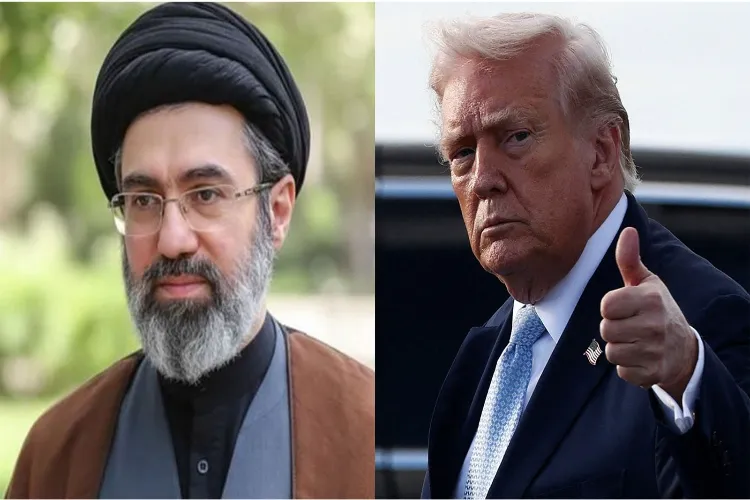
The remarks follow statements by Donald Trump, who said a high-risk mission had been carried out inside Iran to recover a US service member linked to a downed F-15 fighter jet.
On the diplomatic front, Iran confirmed that discussions are ongoing with Oman to establish protocols ensuring the safe passage of vessels through the Strait of Hormuz, a vital corridor for global energy supplies.
READ MORE: Delhi Advocate Ekta Pareek fights for clean environment, animal rights
The conflict, now in its second month, continues to see parallel military escalation and diplomatic engagement, with both sides maintaining firm positions on key issues.


.webp "Union Home Minister Amit Shah")







.webp)