New Delhi
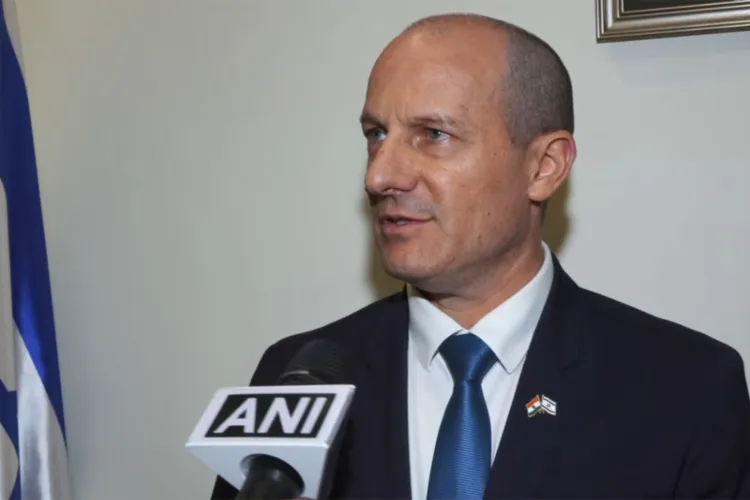
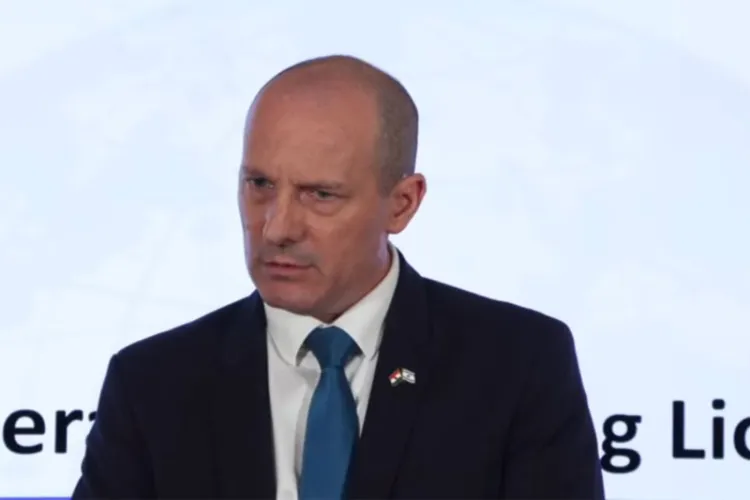
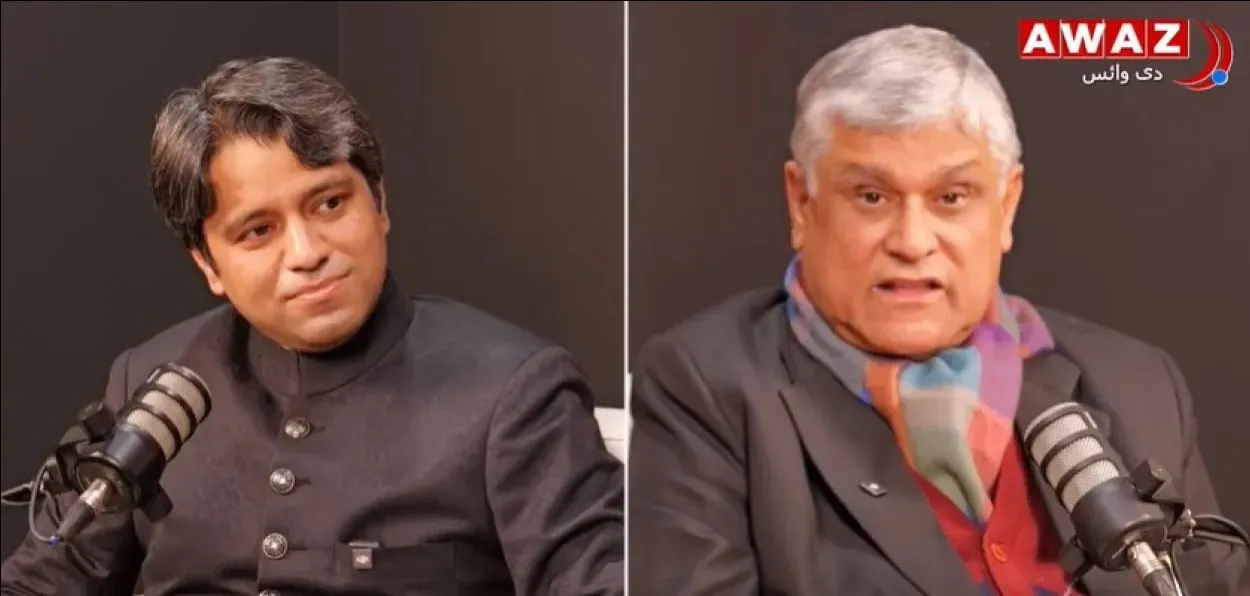
Ambassador of Israel to India, Reuven Azar, on Monday said that the duration of the ongoing conflict with Iran remains uncertain and will depend largely on Tehran's actions and its willingness to alter its current policies.
He noted that while early expectations from both Israel and the United States suggested the confrontation might last only a few weeks, the evolving situation on the ground and within Iran's leadership could influence how long tensions persist.
Responding to a question on the possible timeline of the conflict, Azar said, "We are not specifying exactly how long it will take because it depends on many factors. At the outset, both US and Israel talked about a few weeks. It also depends on the opportunity Iran has to change course."
The Israeli envoy indicated that at present there are no clear signs that Iran is prepared to shift its approach. Instead, he suggested that Tehran appears to be reinforcing its current stance amid escalating tensions in the region.
"Right now, it doesn't seem that they are changing course. On the contrary, they are doubling down. They are digging in. But the situation can change in the future," Azar said.
He also pointed to reports suggesting potential internal disagreements within Iran's leadership over the handling of the conflict and its broader strategic direction. According to Azar, such differences within Iran's decision-making structure could play a role in determining how the situation develops in the coming weeks.
"We are hearing different rumours about differences within the Iranian decision-making process. So, this can take more time," he added.
Despite the continued tensions, the ambassador emphasised that diplomacy remains a possible pathway if Iran chooses to cooperate with the international community. Azar said that Israel has consistently maintained that a diplomatic resolution is achievable provided Tehran is willing to engage constructively.
"We can have a diplomatic way out of this if the Iranians decide that they want to cooperate with the international community," he said.
The remarks come amid heightened geopolitical tensions in West Asia, where hostilities between Israel and Iran have raised concerns among global powers about the risk of a broader regional escalation. Iran and Israel have long been adversaries, with disputes spanning issues such as Iran's nuclear programme, regional security dynamics, and Tehran's support for armed groups hostile to Israel.
READ MORE: An officer can't afford to go wrong, says top cop Ajeetha Begum
In recent years, international efforts have focused on preventing the conflict from escalating into a wider war while encouraging diplomatic engagement between Iran and major world powers. However, the situation has remained volatile, with periodic military exchanges and heightened rhetoric from both sides.
Azar's comments reflect Israel's current position that the trajectory of the conflict will largely depend on whether Iran decides to adjust its policies or continue with what Israel perceives as an increasingly confrontational stance. As regional and global stakeholders continue to monitor developments closely, diplomatic channels remain open, though uncertainty over the conflict's duration persists.