Dubai (UAE)
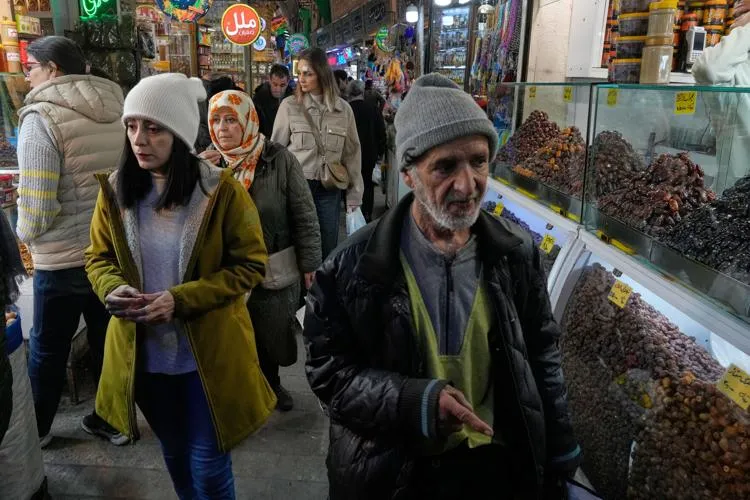
A month after nationwide protests erupted in Iran, anxiety is spreading across the Middle East amid concerns over a possible US military strike, prompting urgent diplomatic outreach by Tehran to regional capitals.
Iranian officials on Wednesday engaged neighbouring countries as Washington reinforced its military presence in the region, deploying the USS Abraham Lincoln and several guided-missile destroyers. While Saudi Arabia and the UAE have publicly ruled out allowing their airspace to be used for any attack on Iran, uncertainty remains over the next steps by US President Donald Trump.
Trump has warned that the killing of peaceful protesters or any mass execution of detainees would cross “red lines,” as rights groups allege thousands have been killed in a violent crackdown. Activists say at least 6,221 people have died since protests began, though Iran disputes the figure and claims a significantly lower toll.
With global internet access largely cut off, state media has dominated the narrative inside Iran, even as anger and fear grow over the worsening economic crisis and reports of lethal force against demonstrators.
Regional diplomacy has intensified to prevent escalation. Egypt confirmed contacts with Iranian and US officials to calm tensions, while Saudi Crown Prince Mohammed bin Salman and Iranian President Masoud Pezeshkian spoke directly, reiterating Riyadh’s refusal to allow its territory to be used for military action. The UAE has taken a similar stance.
Qatar, home to the largest US military base in the region, has also been in touch with senior Iranian leaders. Tehran earlier targeted the Al Udeid Air Base in June after US strikes on Iranian nuclear facilities, raising concerns about wider fallout.
ALSO READ: India’s-EU landmark FTA to spur growth, jobs, increase New Delhi's relevance
Iranian Foreign Minister Abbas Araghchi said military threats undermine diplomacy, stressing that any talks must be based on mutual respect and equality.
Meanwhile, human rights groups report over 42,000 arrests linked to the unrest, though independent verification remains difficult due to communication blackouts. The scale of the violence marks one of the deadliest episodes of unrest in Iran since the 1979 revolution, as fears of regional instability continue to mount.









.webp "Russia's First Deputy Chairman Denis Manturov")


_(1).webp)