Geneva (Switzerland)
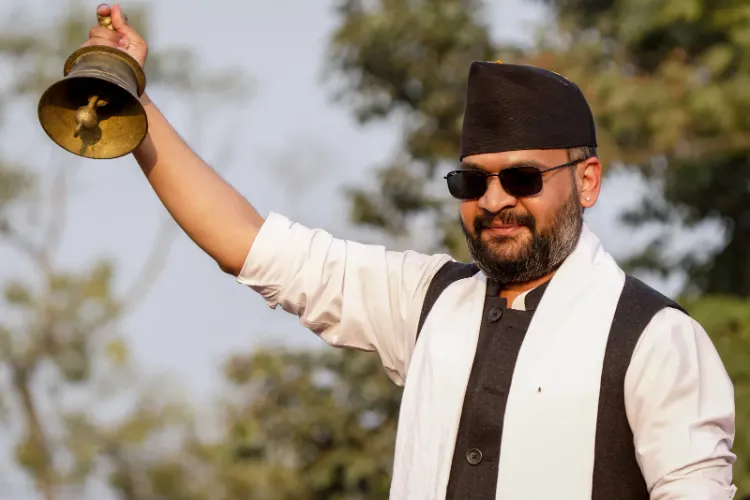
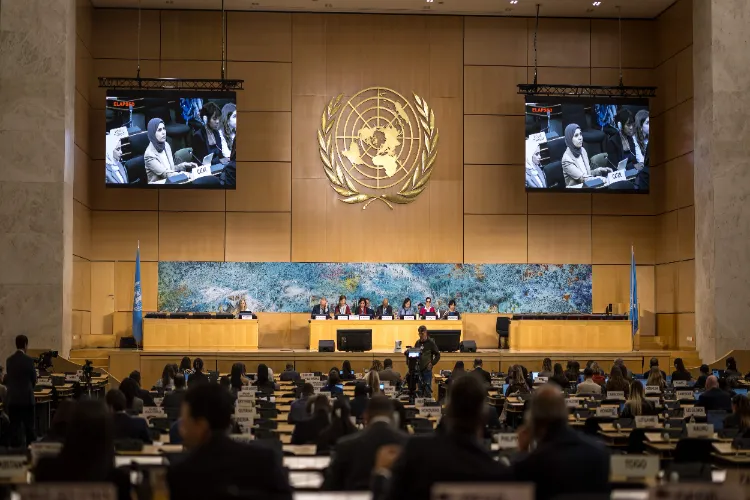
A Baloch human rights advocate, Fateh Baloch, has drawn sharp attention to the worsening human rights situation in Balochistan while speaking at a session of the United Nations Human Rights Council, accusing Pakistani authorities of systemic repression under the guise of security.
Addressing the Council, he highlighted what he described as the increasing use of collective punishment to curb dissent in the province. The activist alleged that recent state actions have disproportionately targeted entire communities, rather than individuals, raising serious concerns about legality and proportionality, as reported by The Balochistan Post.
According to The Balochistan Post, he pointed to the growing use of sweeping powers under counter-terrorism and public order laws, which, he argued, have normalised practices such as arbitrary detention, intrusive surveillance, and restrictions on movement. These measures are increasingly seen not just as tools of law enforcement but as mechanisms to suppress political opposition and discourage civic engagement.
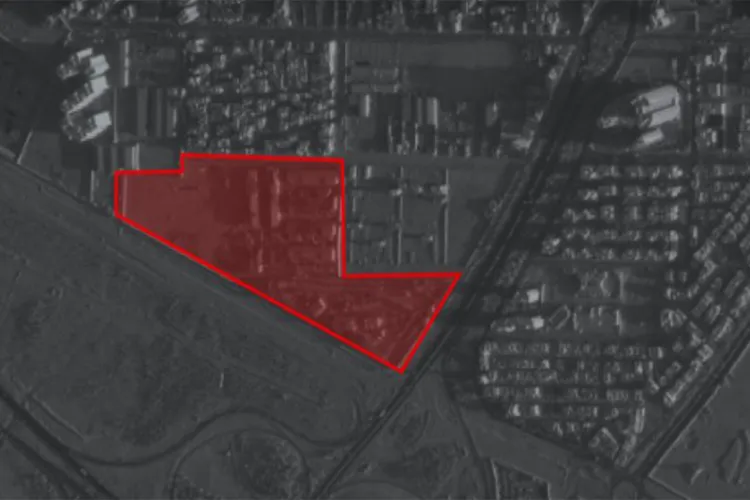
The activist further claimed that homes belonging to political workers have been demolished and families subjected to harassment. He also referenced ongoing security operations, including raids and prolonged military deployment in civilian areas, which he said have disrupted livelihoods, education, and daily routines. Such operations have intensified in recent months, amplifying fears among residents.
READ MORE: Hindu brothers in Rajasthan donate land for Eidgah
A key concern raised was the persistent issue of enforced disappearances. The speaker stated that families of missing persons often face intimidation instead of receiving transparency or justice. He highlighted the emotional and psychological toll on affected families. He also described an atmosphere of fear, alleging that journalists are pressured into silence, students are discouraged from expressing dissent, and women participating in peaceful protests face surveillance and threats, as highlighted by The Balochistan Post.
Emphasising international legal standards, he asserted that security concerns cannot justify collective penalties, stressing the need for due process and individual accountability. Concluding his address, he called on the Council to press Pakistan to halt such practices, allow independent investigations, and uphold fundamental human rights. Pakistani authorities have yet to respond to these allegations, as reported by The Balochistan Post.
.gif)