Dubai
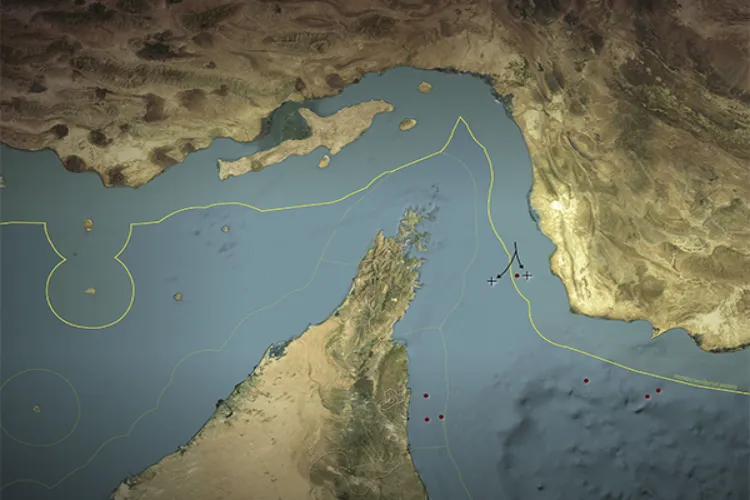
The United States has warned global shipping companies that they could face sanctions if they make payments to Iran in exchange for safe passage through the strategically vital Strait of Hormuz, escalating pressure amid ongoing tensions over control of the waterway.
In an advisory issued Friday, the Office of Foreign Assets Control (OFAC) said both American and non-American entities risk punitive action if they pay what Washington described as Iranian “tolls” for transit through the strait.
The warning applies not only to direct cash transfers but also to alternative forms of payment, including digital assets, barter arrangements, informal swaps, and even in-kind contributions such as charitable donations or payments routed through Iranian diplomatic missions, according to the advisory.
The move comes amid heightened tensions in the Gulf following the disruption of normal shipping traffic through the Strait of Hormuz, through which roughly 20 per cent of the world’s seaborne oil and liquefied natural gas supplies typically pass. Shipping activity through the corridor has dropped sharply in recent weeks as the standoff between Washington and Tehran continues.
The advisory coincided with fresh diplomatic developments, as US President Donald Trump said he was not satisfied with Iran’s latest proposal aimed at ending hostilities. While he did not disclose specific objections, he described Iran’s leadership as disjointed and indicated negotiations remain uncertain.
Iran’s proposal was reportedly conveyed through Pakistani mediators, while diplomatic outreach has continued involving regional and international stakeholders. Iranian Foreign Minister Abbas Araghchi has also held consultations with European counterparts as efforts to stabilise the region continue.
Meanwhile, China has called for preserving the ceasefire and reopening the Strait of Hormuz, with Beijing backing diplomatic efforts aimed at reducing tensions and restoring commercial maritime traffic.
READ MORE: Naghma Sahar showed the calmer, sensitive side of Television news anchoring
The prolonged standoff has begun to weigh on global supply chains, fuel prices, and energy security, particularly affecting economies in the Global South that rely heavily on uninterrupted energy imports.














.webp)