




Vidushi Gaur/ New Delhi
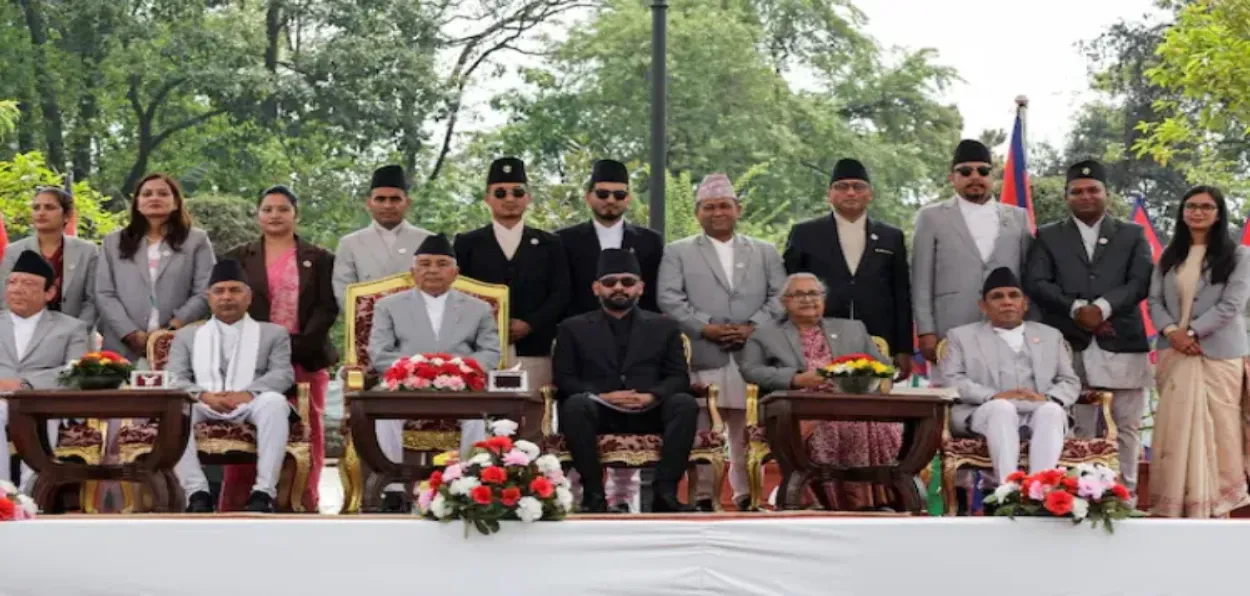
Nepal’s transition from monarchy to democracy has taken an interesting turn. Trouncing the Left leaning government, Balendra Shah, a popular rapper and one of the world's youngest premiers is at the helm with a ministerial team of equally off-beat credential to truly represent the aspiration youth - Gen Z - of the Himalayan nation.
To begin with Balen Shah leader of the Rastriya Swatantra Party, is also a trained structural engineer and ex-mayor of Kathmandu. His Cabinet has drawn equal attention for its youthful profile, professional expertise and diverse social backgrounds.
Unlike traditional cabinets dominated by career politicians, the Balen Shah ministry reflects a new model: technocrats, professionals, economists, educators, youth leaders and reform-minded public figures. The ministers come from different regions, communities and professional sectors, suggesting an effort to build an inclusive and modern administration.
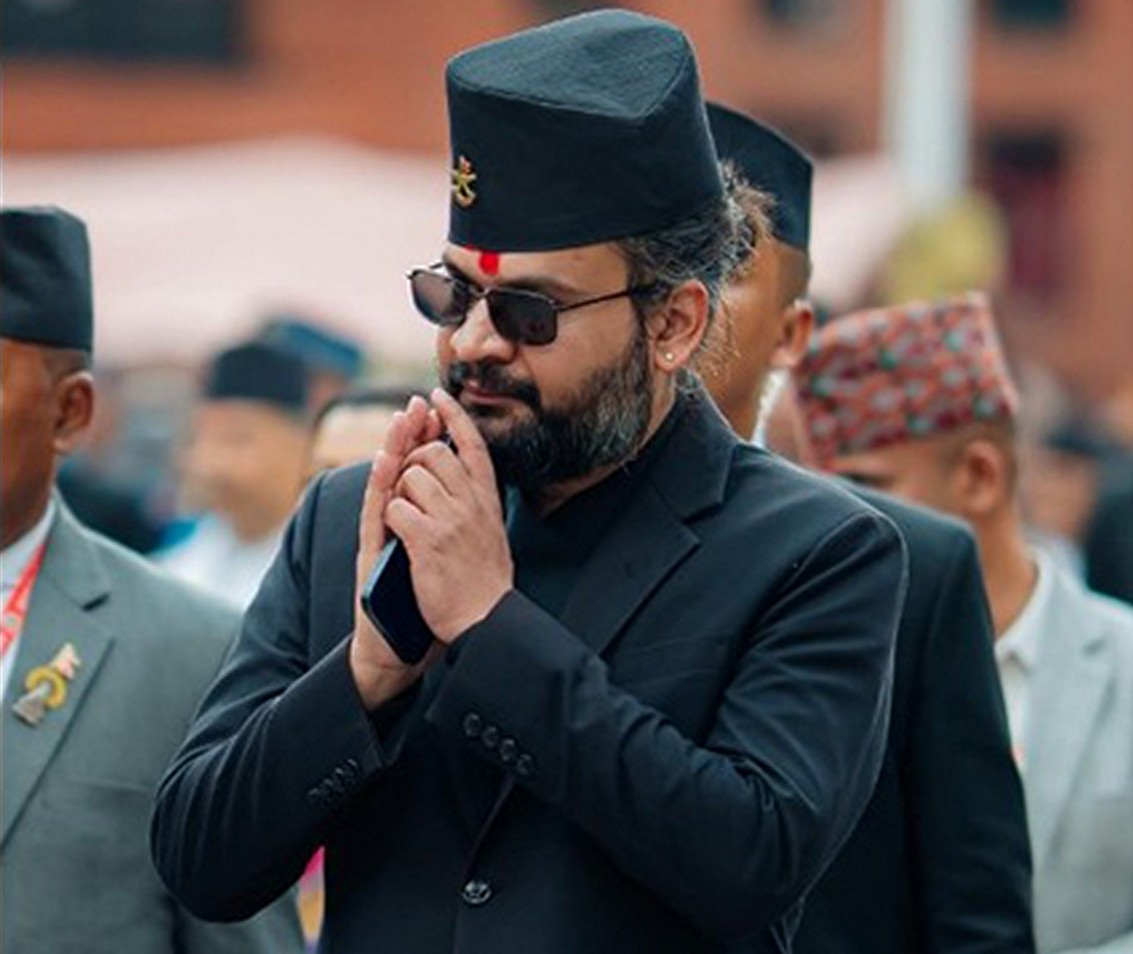 Nepal PM Balendra Shah
At the centre is Prime Minister Balendra Shah himself, who also holds the defence portfolio. Trained as a structural engineer, Balen earned academic qualifications in engineering before entering music and later politics. His journey from civil engineer to anti-establishment mayor and then prime minister has inspired young Nepalis seeking alternatives to old political structures.
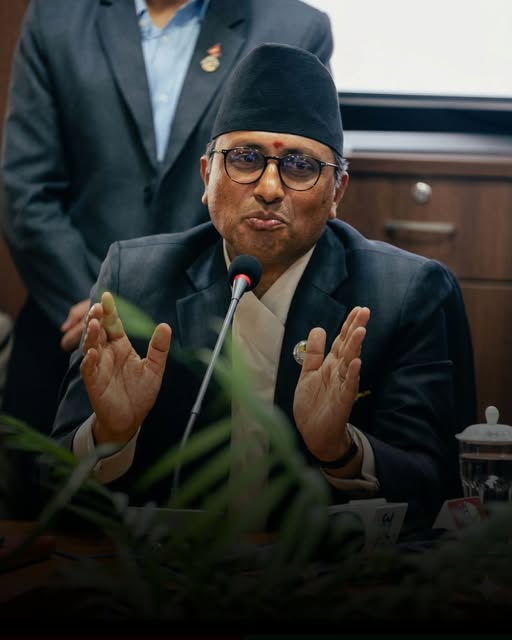 Finance Minister Swarnim Wagle
Finance Minister Swarnim Wagle is widely considered one of the most academically accomplished members of the cabinet. An economist with international policy experience, Wagle has worked with institutions such as the United Nations and has been associated with economic reform discourse in Nepal.
His presence reassured markets that the youthful government would also value economic competence.
 Foreign Minister Shishir Khanal
Foreign Minister Shishir Khanal represents the new generation of policy-oriented leadership. Known for organisational and administrative skills, Khanal has been active in public affairs and is regarded as one of the younger faces tasked with navigating Nepal’s delicate diplomatic balance between neighbours India and China.
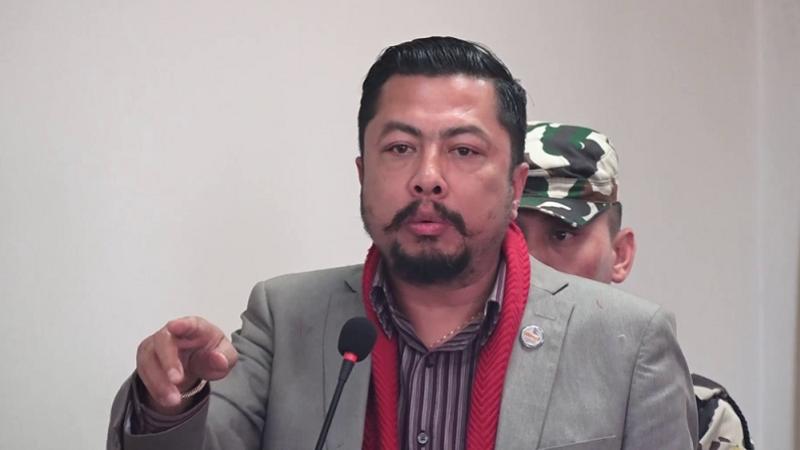 Energy, Water Resources and Irrigation Minister Biraj Bhakta Shrestha
Energy, Water Resources and Irrigation Minister Biraj Bhakta Shrestha comes from a professional background linked to development and public systems.
In a country rich in hydropower potential, his portfolio is one of the most strategic. His inclusion highlights the government’s focus on infrastructure and practical governance.
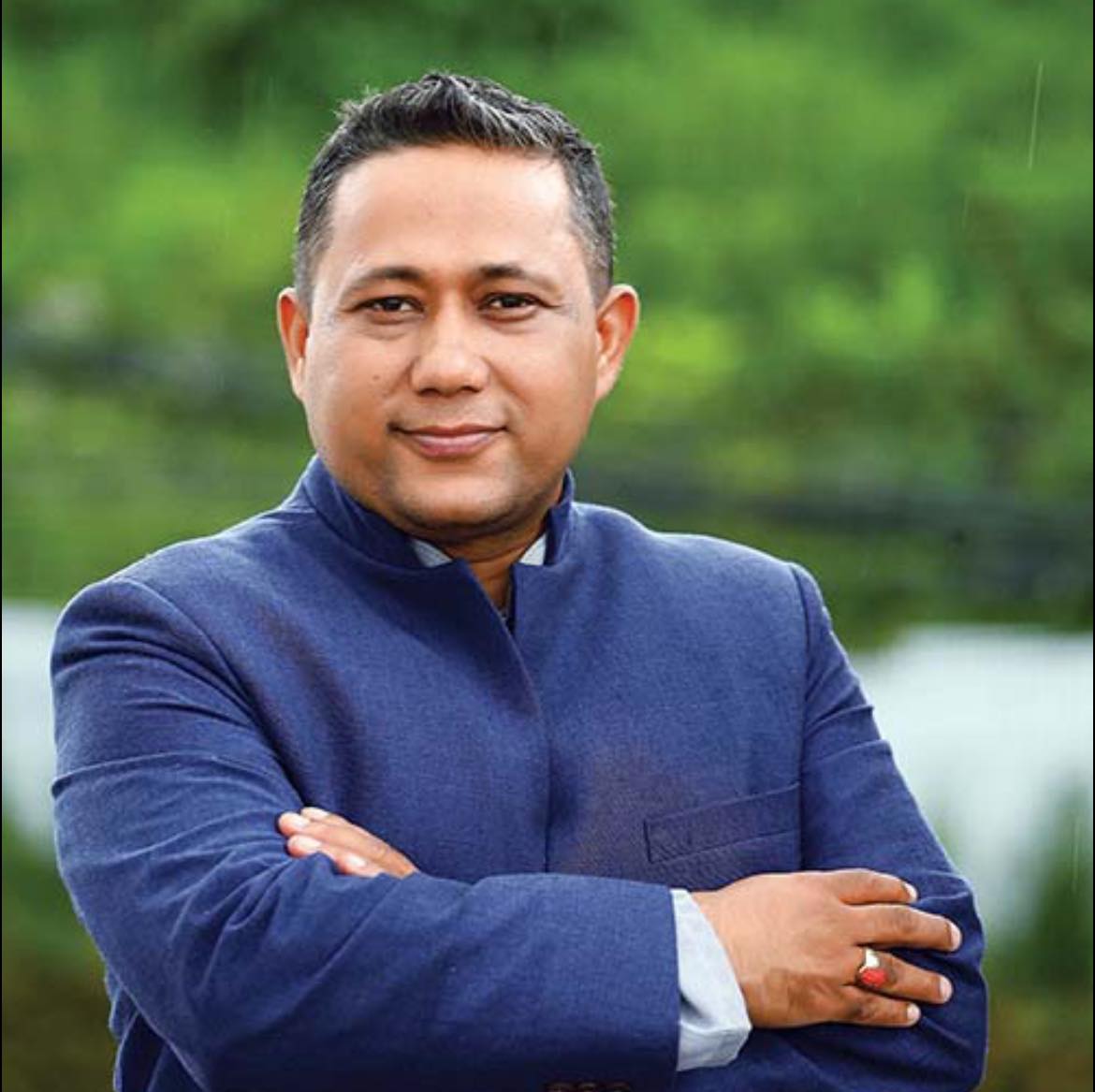
 Home Minister Sudan Gurung
Home Minister Sudan Gurung reflects Nepal’s ethnic diversity and the inclusion of voices beyond traditional power centres. Seen as energetic and reform-minded, Gurung has been entrusted with internal security, governance coordination and law enforcement reform. The 38-year old is a former Radio Jockey and now in charge opf the internal security.
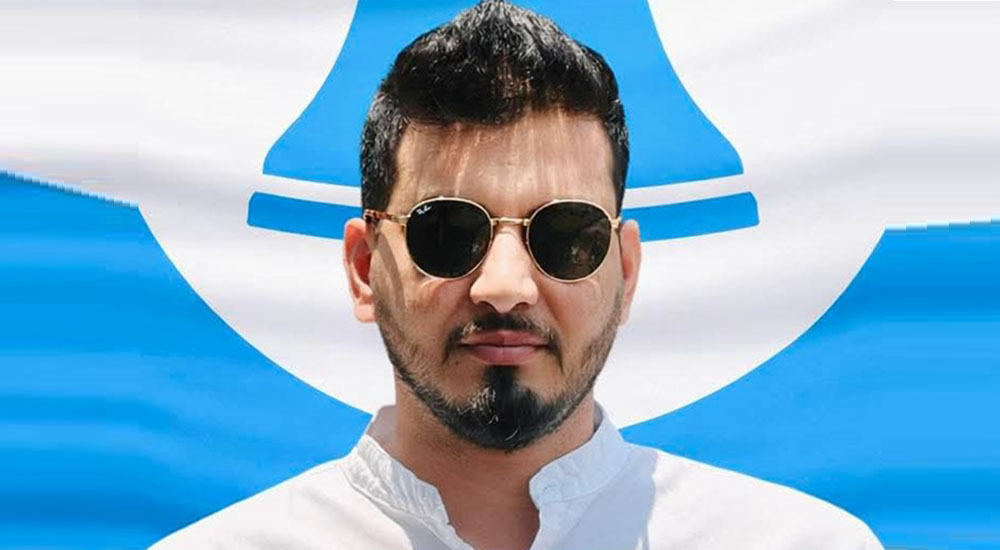 Physical Infrastructure and Transport Minister Sunil Lamsal
Physical Infrastructure and Transport Minister Sunil Lamsal handles one of the most visible public portfolios. Roads, connectivity and urban systems remain central to Nepal’s growth, and Lamsal’s appointment underlines the cabinet’s technocratic approach to development.
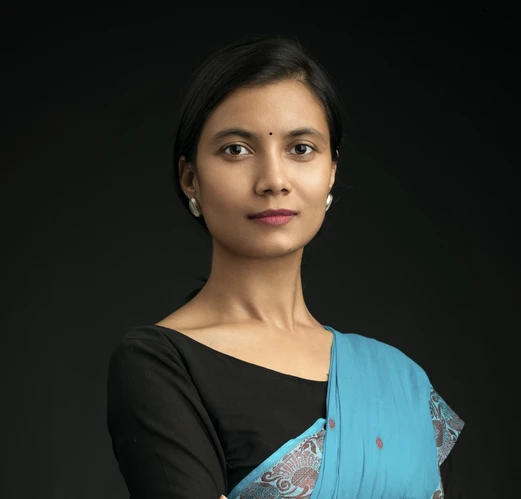 Law, Justice and Parliamentary Affairs Minister Sobita Gautam
Law, Justice and Parliamentary Affairs Minister Sobita Gautam has emerged as one of the standout young women in the cabinet. Educated, articulate and politically active, she represents the growing participation of young women in governance.
Her portfolio places her at the heart of legal reform and parliamentary management.
Women, Children and Senior Citizens Minister Sita Badi brings social representation often absent in older governments. Her appointment has been seen as symbolic of the cabinet’s attempt to broaden participation across communities and class backgrounds.
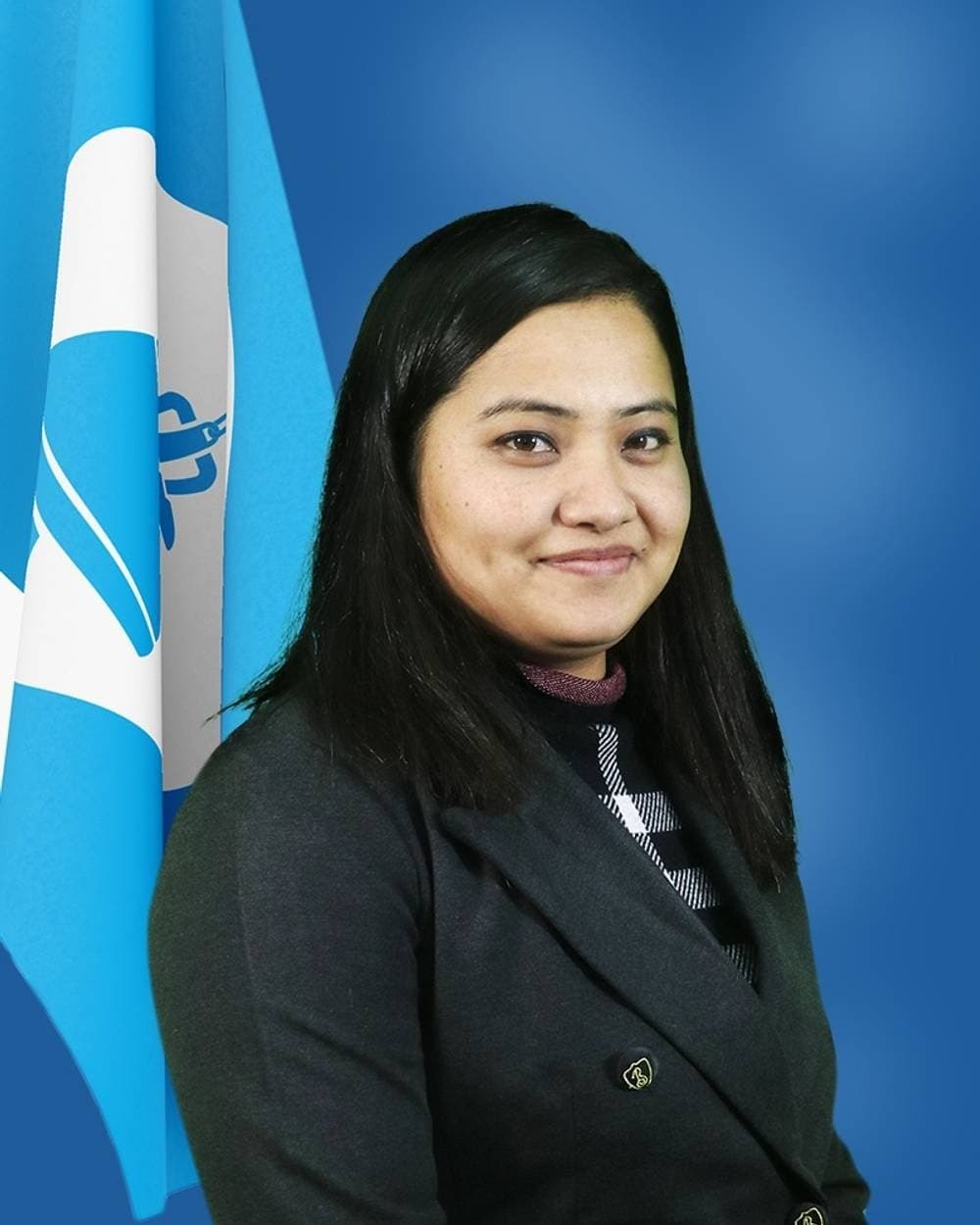 Federal Affairs and General Administration Minister Pratibha Rawal
Federal Affairs and General Administration Minister Pratibha Rawal is another prominent woman minister. With responsibilities tied to bureaucracy and provincial coordination, Rawal represents the educated female leadership increasingly visible in South Asian governance.
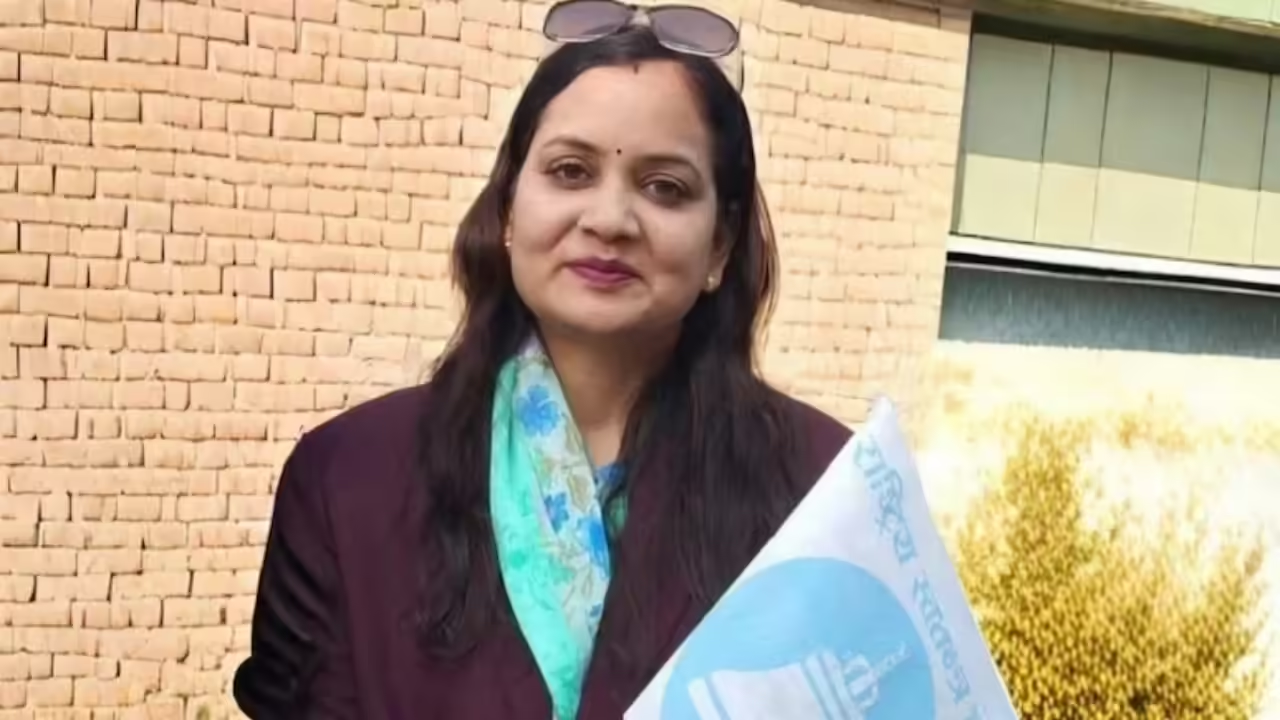 Health and Population Minister Nisha Mehta
Health and Population Minister Nisha Mehta is viewed as one of the cabinet’s professionally aligned appointments. In a post-pandemic world, healthcare leadership requires both policy sense and administrative discipline, and her selection was welcomed by many observers.
She is an alumnus of the AIIMS, New Delhi.
Education, Science and Technology Minister Sasmit Pokharel belongs to the youth-oriented reform bloc within the government. His portfolio is crucial in a country where education reform, technology access and employment are deeply connected.
Communication and Information Technology Minister Bikram Timilsina reflects the digital ambitions of the new administration. With Balen himself rising through digital-era politics, this ministry is expected to modernise state communication and technological services.
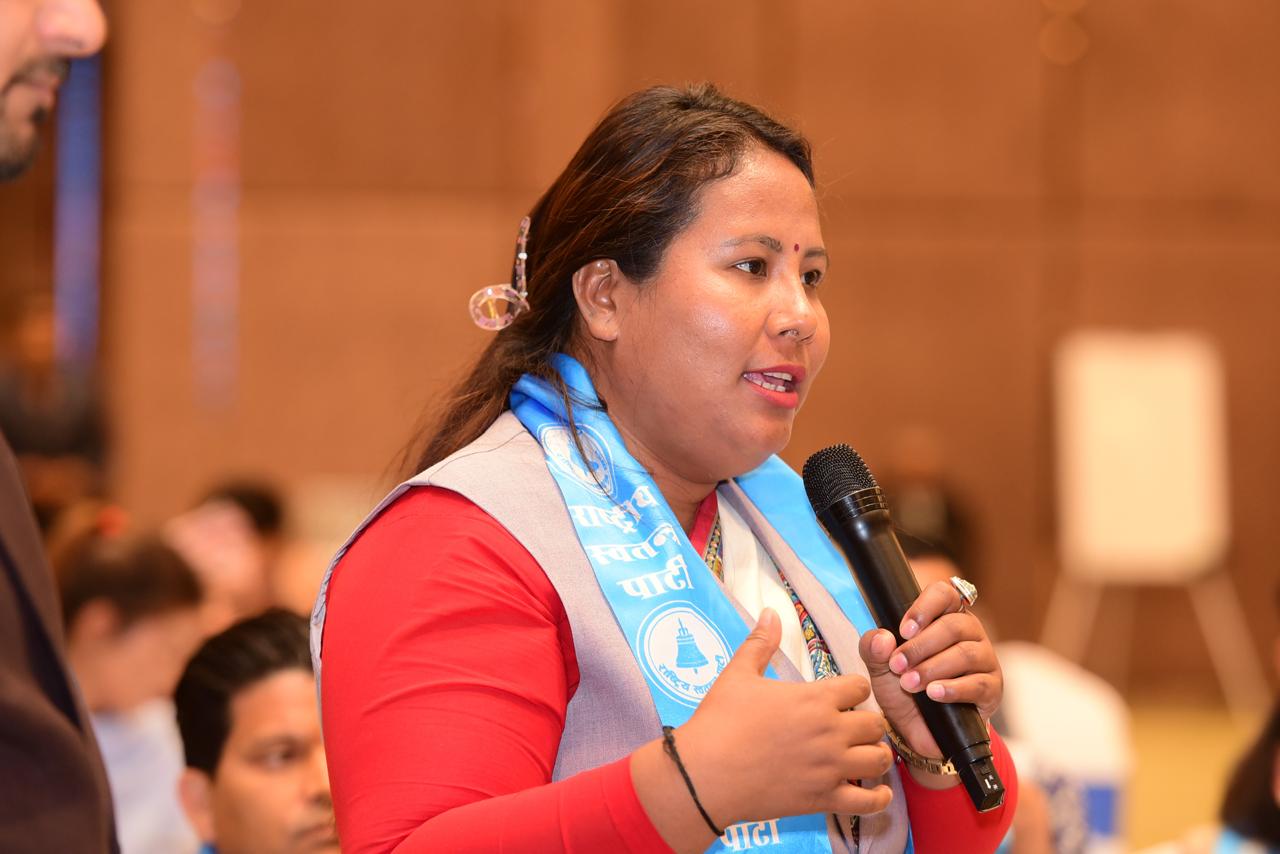 Agriculture and Livestock Development Minister Geeta Chaudhary
Agriculture and Livestock Development Minister Geeta Chaudhary adds regional and gender diversity to the team. Agriculture remains the backbone of many Nepali households, making her role vital for rural livelihoods.
Labour and Employment Minister Ramjee Yadav and Industry Minister Gauri Kumari Yadav further underline inclusion from Madhesi and underrepresented communities, while focusing on jobs, migration and industrial revival.
What makes this cabinet remarkable is not only age, but orientation. Many members are seen as educated professionals rather than traditional power brokers. Several are women. Many are first-generation national leaders. Together, they represent Nepal’s changing aspirations: merit over dynasty, delivery over rhetoric, youth over stagnation.
READ MORE: Iran emerges as the winner in the war of narrative on social media
However, given the huge challenges of this underdeveloped country, Balen Shah has a tough task ahead. It remains to be seen if the Gen Z government that has emerged after dismantling a system and trampling veterans will live upto the hype about it.










_(1).jpg)
_(4).webp)