.webp "Saba Anjum")
Mandakini Mishra/ Raipur
In the narrow lanes of ‘Kelabadi’ locality in Durg, a 9-year-old girl could be seen playing hockey with boys. She had neither expensive shoes nor her own hockey stick. She used her elder brother’s old, broken stick, wrapped with tape, to step onto the field. Her father worked as a muezzin in a local mosque.
The family’s income was so low that sometimes it was difficult to light the stove even for one meal a day. When she decided to pursue hockey as her passion, society mocked her, “A girl will play wearing shorts?” But her father was determined that his daughter would write her own destiny. This is the story of Saba Anjum Karim, the girl who rose from the dusty lanes of Chhattisgarh to wave the tricolor on global sports fields.
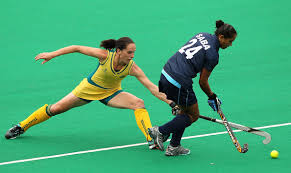 Saba Anjum playing hockey
Former Indian women’s hockey forward Saba Anjum says that when she started playing, her family’s financial condition was not good. Her father worked as a muezzin in the mosque, while her mother worked to support household expenses. Once, during a summer camp at the playground, children were given jaggery and chickpeas after playing. She started playing thinking she would get jaggery and chickpeas. With this thought, she began her sports journey. Later, a running competition was organized where she participated and secured first place. As a prize, she received a hockey stick. That moment became her inspiration to continue playing hockey.
Her school later participated in the Nehru Hockey Tournament, after which she was selected for the Indian national team. She never looked back after that. She played the Nehru Hockey Cup in 1999. From 2002 to 2012, she was a member of the Indian national hockey team and represented the country in many competitions. During this period, she also captained the Indian team. Her elder brother was also a national-level hockey player.
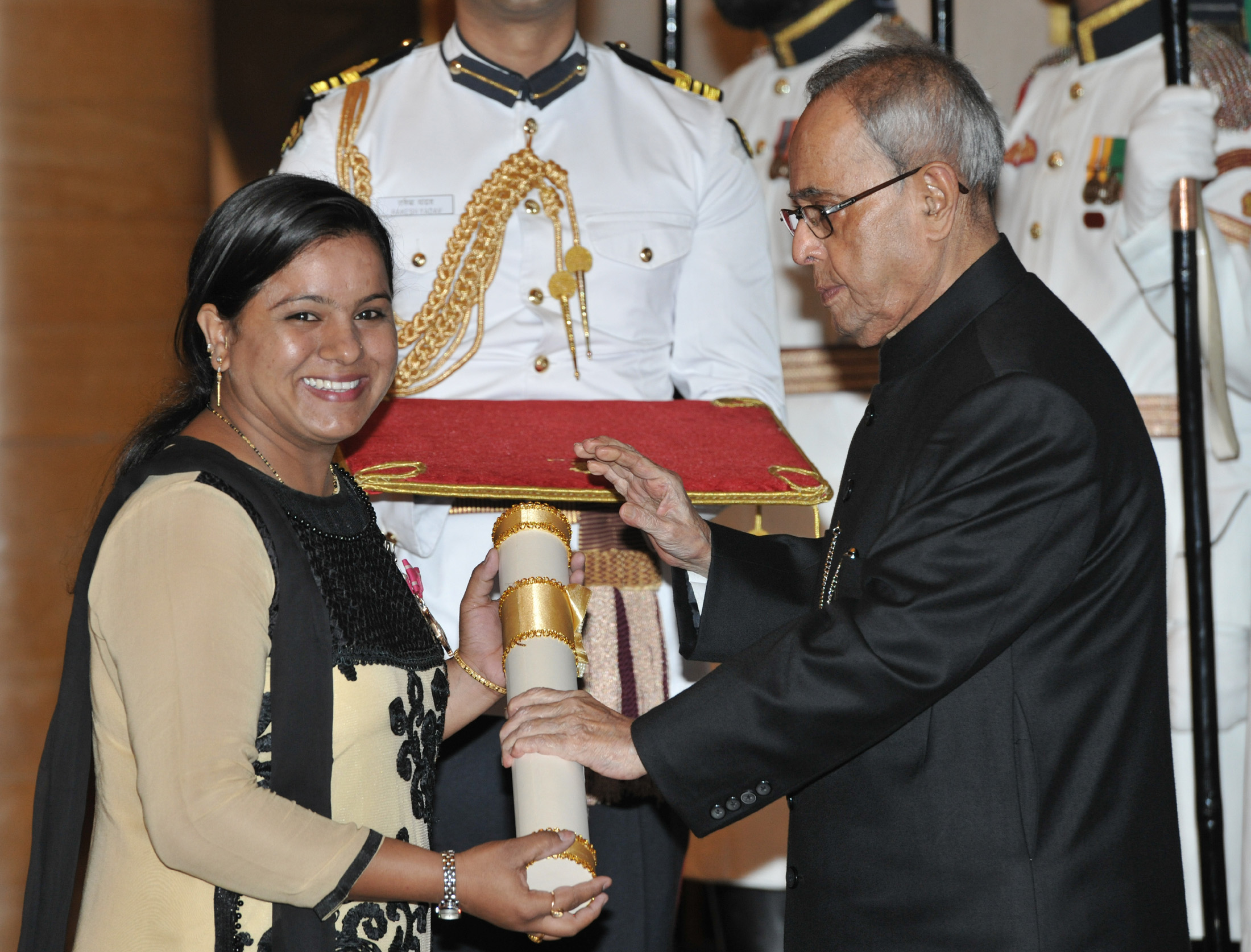 Saba Anjum receiving an award from former President Pranab Mukherjee
Born on 12 June 1985, Saba Anjum shared that in 1997, during a match, her coach dropped her from playing and did not give her another chance in the team. She was only 11 years old then. Her father went to the coach and requested him to give his daughter another opportunity to play. That moment remains very special in her memory. Her father was pleading with the coach to allow her to play. This incident motivated her to continue playing and improve. That day became a turning point in her life.
Padma Shri awardee Saba Anjum says that during her childhood, when she returned home after playing, her father worked at the mosque. She would wait outside the mosque for him to come out and buy her cashews, raisins, or some food items. She often sat outside the mosque waiting for him. That memory remains very close to her heart.
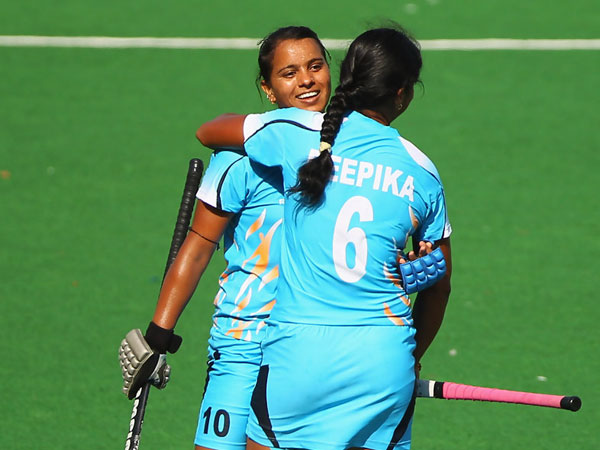 Saba Anjum on the hockey ground
According to the Arjuna Award-winning player, there were some social barriers because she came from a Muslim family. But her father and mother always supported her. They encouraged her to play at all times. When she was selected for the Indian team, she faced difficulties in making her passport because of financial problems. At that time, her mother even sold household utensils to arrange money for her passport. Her parents made countless sacrifices for her future.
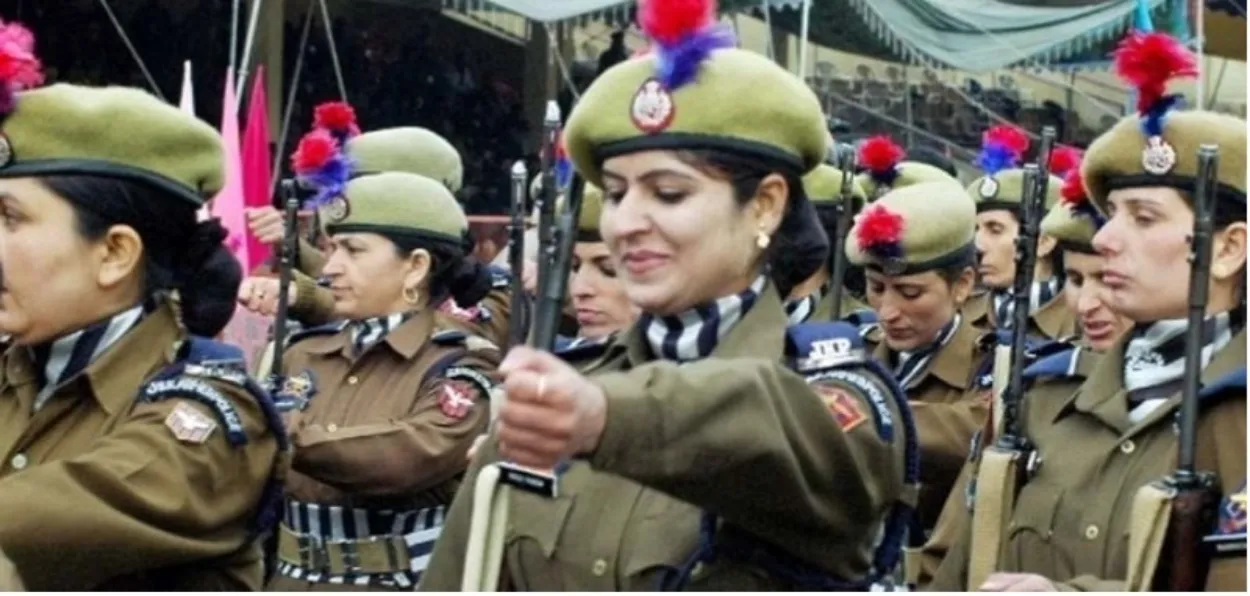
Serving as an Additional Superintendent of Police (ASP), Saba Anjum said that when she joined the Indian team, she was inspired by senior players. She was motivated to perform better and one day become the captain of the Indian hockey team. Hockey gave her a lot in life. She received the Arjuna Award and the Padma Shri award. She was also appointed as a DSP in the Chhattisgarh Police.
 Saba Anjum playing hockey
She gave a clear message to the youth — whether they are athletes or students, they should recognize their potential and work continuously to improve it. Success comes only through hard work. Hard work gives you a unique identity. There is no shortcut to success; only dedication leads to progress.
Educated in Raipur, Sab a Anjum was a regular member of the Indian women’s hockey team. Her ability to run fast on the wings and carry the ball toward the goalpost gave her a unique identity. In 2002, the world was watching the Manchester Commonwealth Games. Seventeen-year-old Sab a was the youngest player in the Indian team. When India won the gold medal in the finals, she became an overnight star.
 Saba Anjum on the hockey ground
She not only scored goals but also pierced through the opponent’s defence with her speed. Success continued after that. Whether it was the 2004 Asia Cup gold or captaining the Indian team in 2011, she proved herself at every stage. Scoring 92 goals in 200 international matches showed her skill and talent.
After shining on the hockey field, the Government of India honored her with the Arjuna Award (2013) and Padma Shri (2015). The Chhattisgarh government also recognized her achievements and appointed her in the police department. Today, when Sab a wears her police uniform, she is not just an officer but a beacon of hope for thousands of girls living in hardship.
READ MORE: Delhi Advocate Ekta Pareek fights for clean environment, animal rights
People who once mocked her near the same playground in Durg now salute her with pride.

.jpg "Gujarat’s women entrepreneurs bring their craftsmanship to life during Navratri")