_(2).webp "Halima Khatun")
Shampi Chakraborty Purkayastha
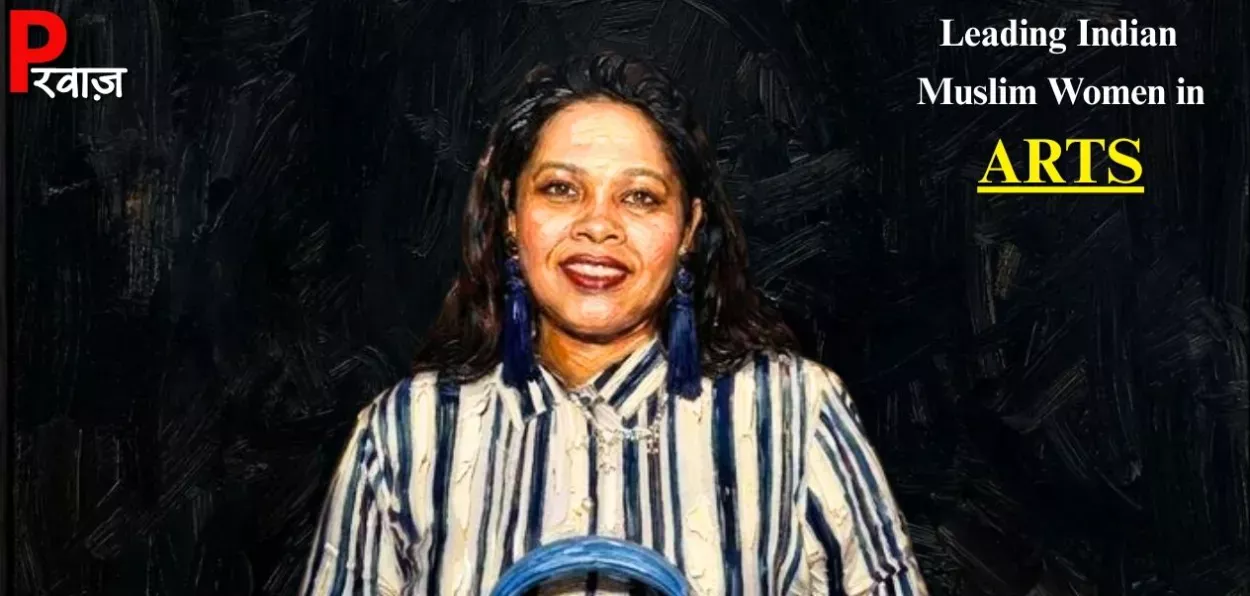
From North Mahmudpur in Hingalganj, a remote village in the Sundarbans of North 24 Parganas. where poverty, superstition, and patriarchal constraints had long confined women’s lives, Halima Khatun as emerged as a beacon of hope. Turning her own struggles into strength, she has become a symbol of liberation for thousands of women.
Born into a family of beedi workers, Halima witnessed the helplessness of women from an early age—child marriage, lack of education, and lives deprived of even the most basic rights. But she refused to accept this reality as fate. While pursuing her studies in Kolkata, she realized that women in countless villages like her own were still silently enduring discrimination and deprivation.
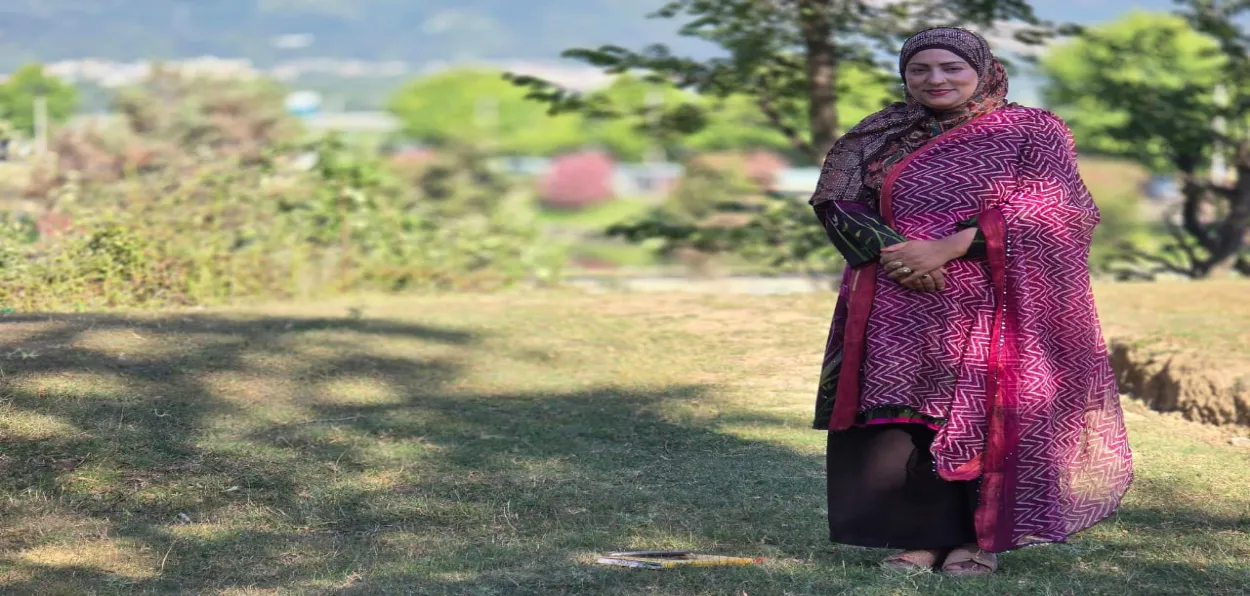
 Halima Khatun on the field
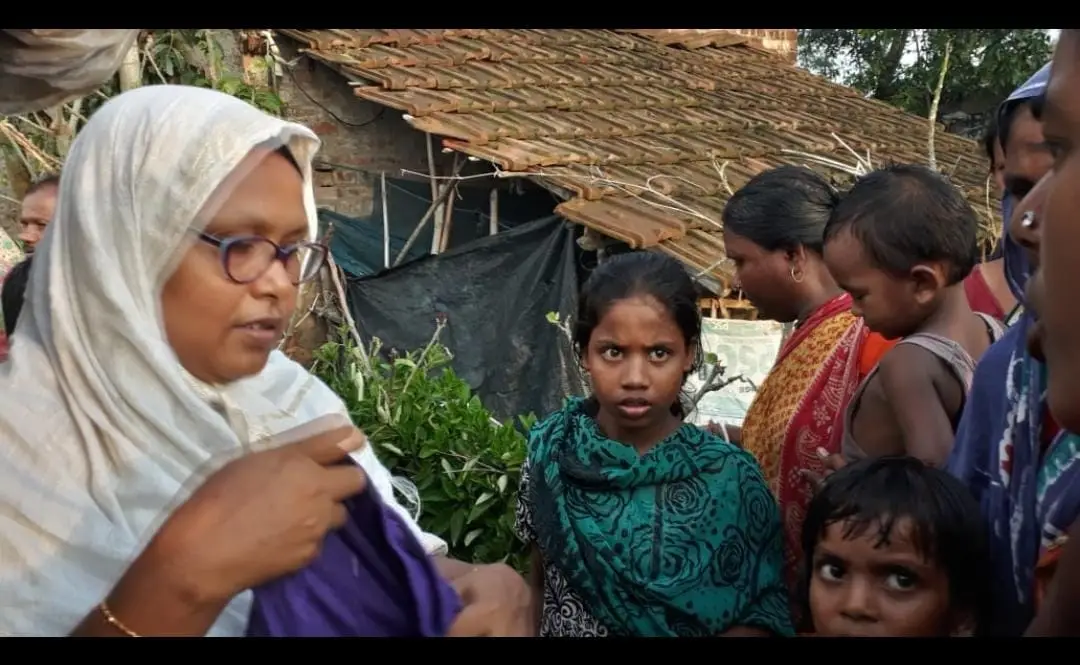
In 2009, she joined ActionAid India, marking the beginning of her grassroots journey. Going from village to village, she not only listened to women’s problems but also brought them together, teaching them to fight for their own rights.
One of the most visible aspects of her struggle has been her fearless campaign against child marriage. In many instances, Halima herself has arrived at wedding venues accompanied by the police to stop underage marriages.
Even when sections of society opposed her and issued threats, she stood her ground with greater determination. As a result, many young girls have been able to return to school and reclaim the opportunity to shape their futures.
.jpeg) Halima Khatun on the field
Halima Khatun on the field
Through her efforts, the Hasnabad-Hingalganj Muslim Mahila Sangha was established, where thousands of women now come together to speak about their rights. Women who were once confined to their homes are today demanding voter identity cards, ration cards, access to education, and healthcare services.
Halima’s path has never been easy. She has been attacked with accusations of spreading “anti-cultural” ideas and has even faced death threats. Yet she has never stopped. Instead, she has turned every obstacle into a source of strength.
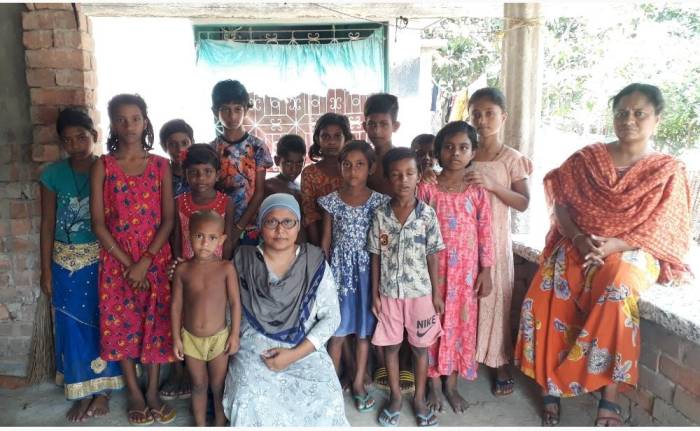 Halima Khatun on the field
READ MORE: Maharashtra: Ashadhi Wari pilgrimage begins with worship at dargah, sufi shrine
Today, winds of change are blowing across many villages of the Sundarbans. In a society where women’s voices were once unheard, they have now learned to protest, to make their own decisions, and to claim their rightful place. At the heart of this transformation stands Halima Khatun—a woman who has changed not only her own life, but the course of thousands of others as well.









.webp "10 Muslims social workers")