




_(1).webp "Safeena Husain")
Ashhar Alam
In a remote village of Rajasthan, a young girl once stood outside a classroom, watching other children study. She wanted to learn, but poverty, social norms, and circumstance had pushed her out of school. For millions of girls across India, that story was not an exception, it was reality. Then came a woman who decided that no girl should be denied the right to dream.
That woman is Safeena Husain, an educator, social entrepreneur, and change maker whose mission has transformed the lives of millions of girls. Through her organization, Educate Girls, she has led one of India's most impactful grassroots movements for girls' education, proving that when a girl enters a classroom, an entire community begins to change.
.jpeg) Safeena Husain with her students
Safeena Husain with her students
Safeena's journey is deeply personal. She has often spoken about growing up amid financial hardship and experiencing interruptions in her own education. Those experiences left a lasting impression on her. After becoming the first person in her family to study abroad and spending years working in the non-profit sector in San Francisco, she made a life-changing decision: she returned to India to work for the girls who had been forgotten by the education system.
In 2007, she founded Educate Girls, a non-profit organization dedicated to identifying and enrolling out-of-school girls in some of India's most underserved regions. What began as a small initiative in Rajasthan soon evolved into a nationwide movement. The idea was simple but powerful: work with communities, families, schools, and local volunteers to ensure that every girl receives an education.
At the heart of the initiative is a belief that the biggest barriers to girls' education are not merely economic but social. In many villages, girls are expected to help with household chores, care for siblings, or marry early. Safeena understood that changing these realities required changing mind-sets. Her organization therefore worked directly with parents and community leaders, helping them recognize the value of educating daughters.
.jpeg) Safeena Husain with her students
Safeena Husain with her students
One of the most remarkable aspects of Educate Girls is its community-driven model. Thousands of local volunteers, known as Team Balika, go door-to-door identifying girls who have dropped out or never attended school. These volunteers become advocates, mentors, and role models within their own communities. By creating local ownership of the mission, Safeena built a movement that could grow far beyond the reach of a single organization.
The results have been extraordinary. From its beginnings in just 50 pilot village schools, Educate Girls has expanded to more than 30,000 villages across some of India's most educationally challenged regions. The organization has helped bring over two million girls back to school and supported learning outcomes for more than 2.4 million children. Its retention rates have remained impressively high, demonstrating that when girls are given support, they stay in school and thrive.
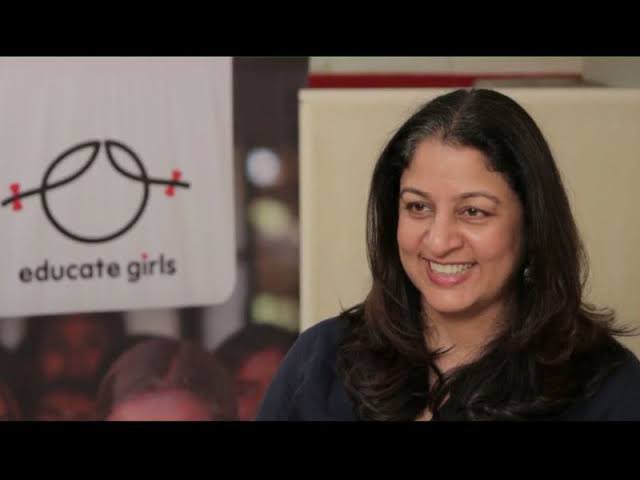 Safeena Husain
But numbers tell only part of the story.
Behind every statistic is a girl whose future changed forever. A daughter once destined for child marriage now dreams of becoming a teacher. A first-generation learner inspires her younger siblings to attend school. A young woman gains confidence, financial independence, and a voice in decisions affecting her life. These are the transformations that Safeena Husain set out to create, not just educated girls, but empowered citizens capable of reshaping society.
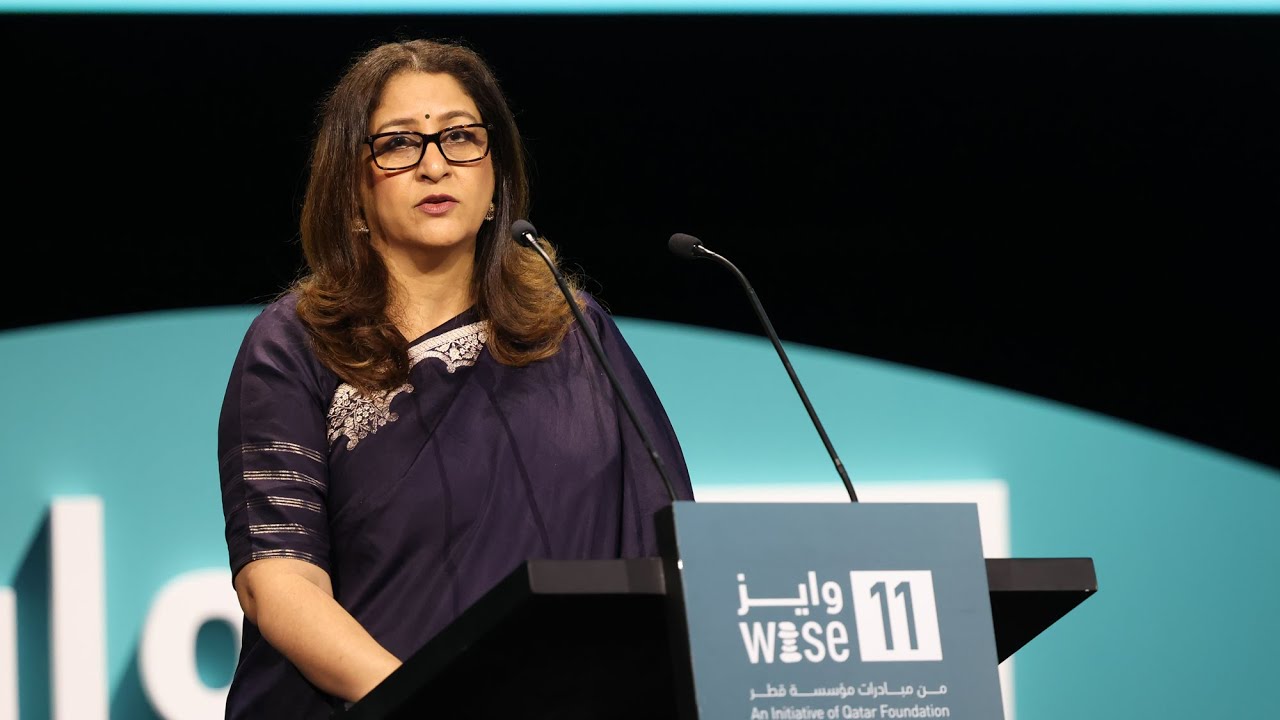 Safeena Husain
Her work has also challenged deeply rooted gender stereotypes. In many communities, educating girls was once viewed as unnecessary. Through sustained engagement and visible success stories, Educate Girls has helped shift perceptions, demonstrating that investing in girls benefits families, communities, and entire economies. The organization's efforts have become a model for how social change can be achieved through collaboration between communities, governments, and civil society.
The global community has taken notice. In 2026, Safeena Husain was named among TIME's Women of the Year, joining an influential list of women recognized for addressing some of the world's most pressing challenges. TIME highlighted her leadership in helping millions of girls access education and her determination to reach those who are often left behind.
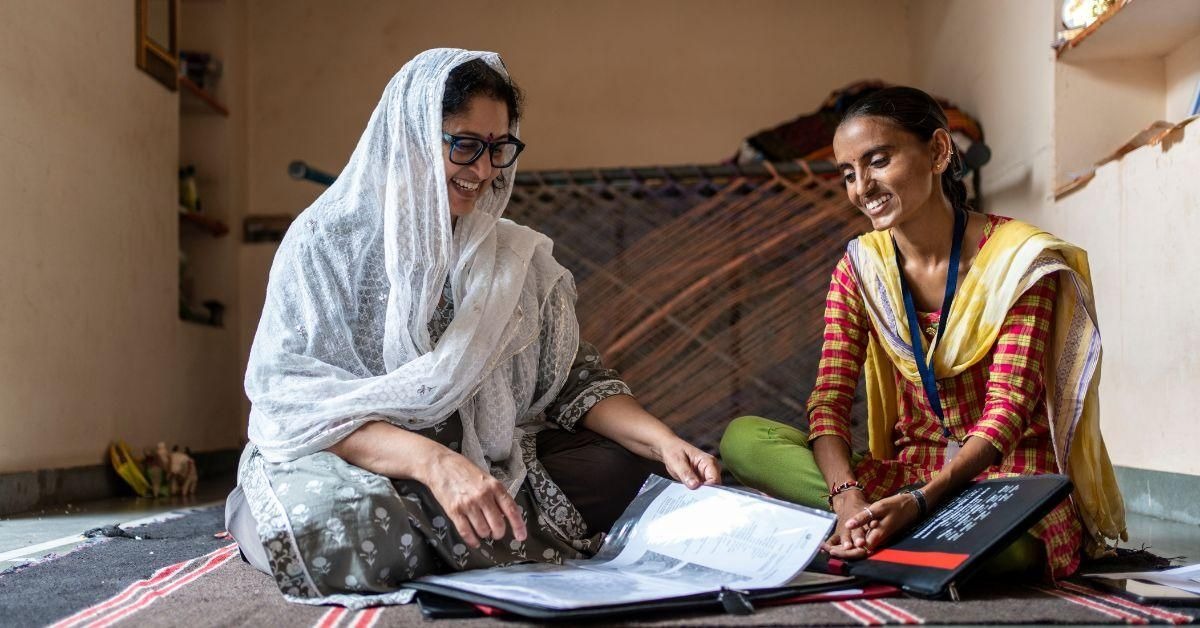 Safeena Husain with her students
An even more historic milestone came when Educate Girls became the first Indian non-profit organization to receive the Ramon Magsaysay Award, often regarded as Asia's highest public service honour. The award recognized the organization's commitment to liberating girls from illiteracy, challenging cultural barriers, and giving young women the skills, confidence, and agency to shape their futures.
Yet despite the accolades, Safeena's vision remains focused on the unfinished task ahead. She often reminds the world that millions of girls are still out of school globally. Her ambition is not merely to celebrate achievements but to scale impact further, with a goal of reaching 10 million learners in the coming decade.
What makes Safeena Husain's story extraordinary is that it’s about a woman’s persistence and her belief in every girl. It is about challenging traditions that limit potential and replacing them with opportunities that expand horizons.
READ MORE: Shakiba Mohammad brings Middle East flavours to Guwahati
And perhaps that is her greatest lesson to the world: when you educate a girl, you do not simply change one life, you change generations.


.jpg "Gujarat’s women entrepreneurs bring their craftsmanship to life during Navratri")







_(2).webp)
.webp)