Aasha Khosa/New Delhi
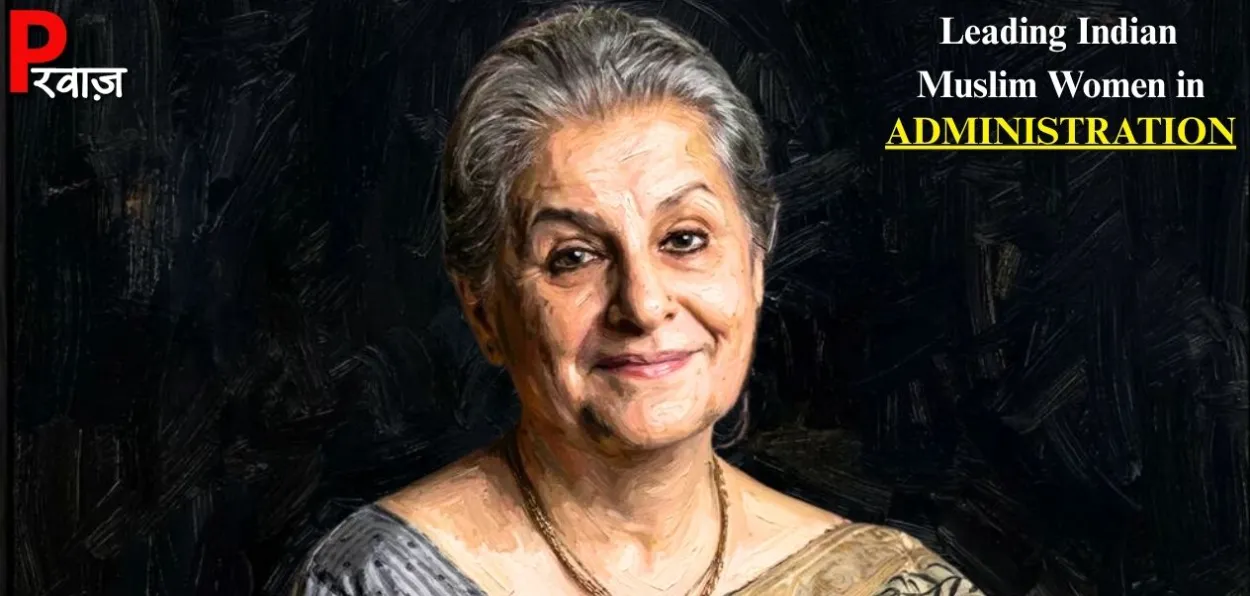
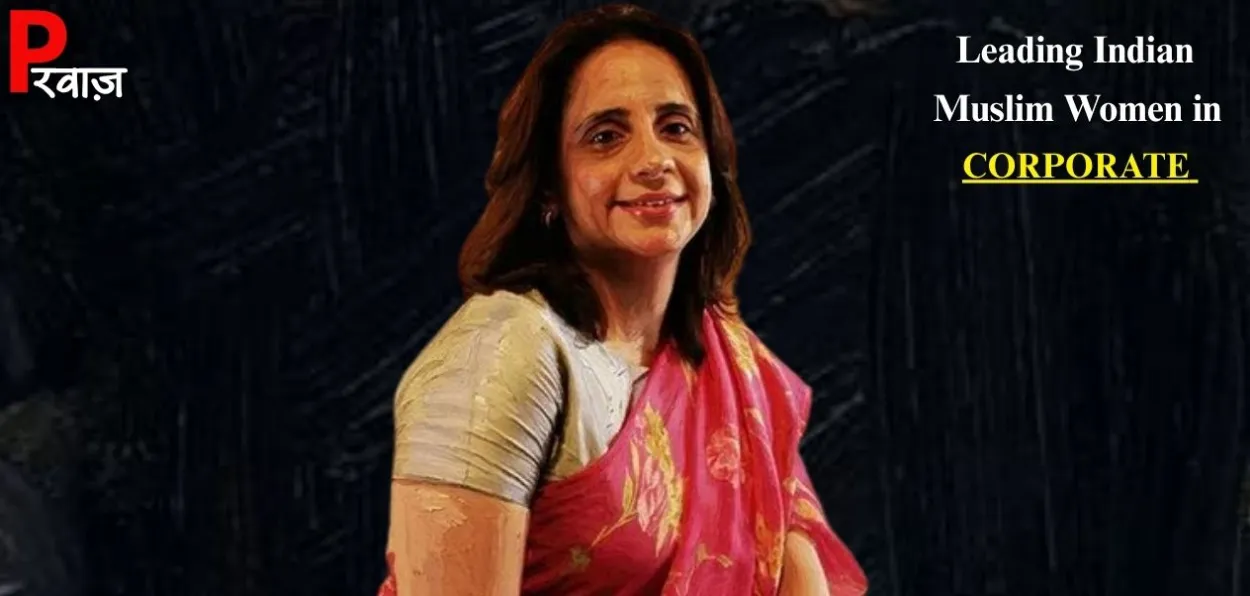
Very few women, especially among Muslims, have pursued public causes and yet reached top positions in government. Syeda Saiyidin Hameed is one of them.
An acclaimed author, educationist, the first Muslim woman member of the Planning Commission (Since renamed as NITI -- National Institution for Transforming India – Ayog) and a member of the National Commission for Women, she is a woman of substance in a real sense.
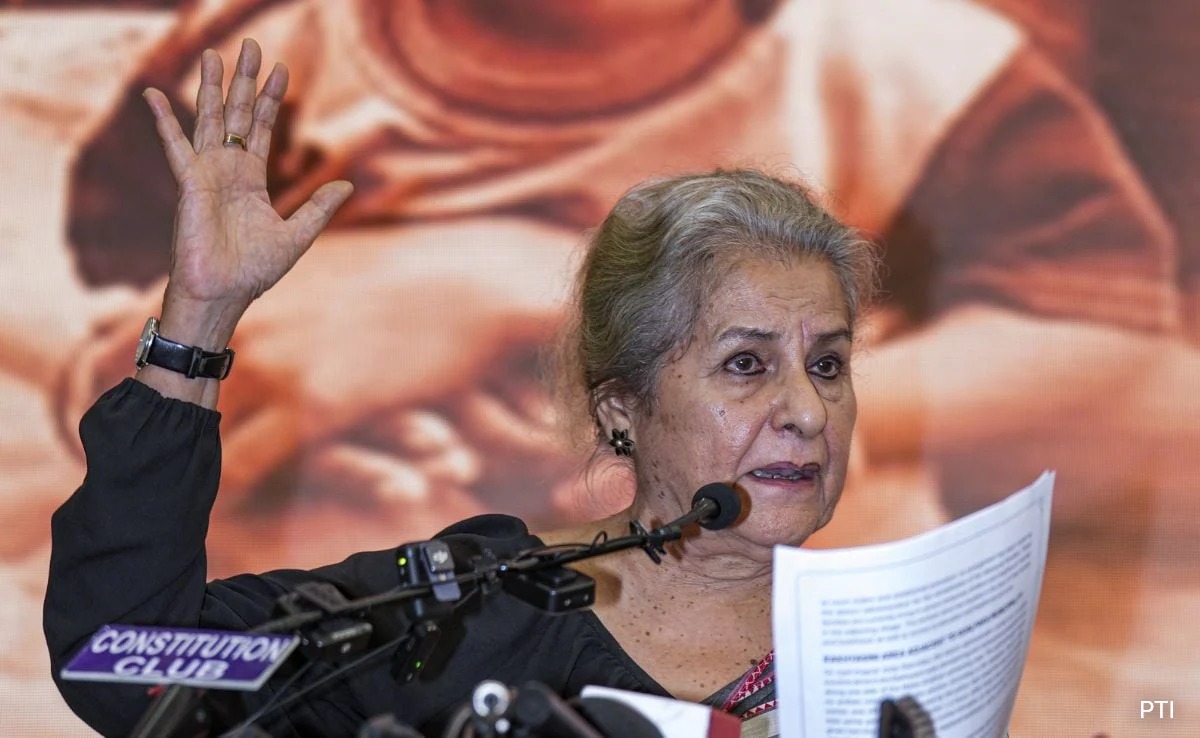 Syeda Saiyidin Hameed
Even today, at 82, Saiydin Hameed continues to speak against injustices. She has played a great role in defending human rights and participated in the civil society campaigns in India. She is also among the founders of the Muslim Women's Forum and Women's Initiative for Peace in South Asia (WIPSA) with Mohini Giri and Normal Deshpande.
She was a member of the WIPSA delegation who visited Pakistan in the wake of the Kargil War in 1999, to stand for the humanity and carry on track II diplomacy between the two South Asian nations in the wake of wars and conflicts.
Saiydin Hameed’s ancestors came from Herat (Afghanistan), 800 years ago, in the era of Turkish Sultan Ghiyasuddin Balban Sultan. Being a follower of the Sufi cult of Islam and a renowned educationist, the head of the family was invited to spread education in the Kingdom. The Sultan gifted him a huge chunk of fertile land to live on in what is today’s Panipat.
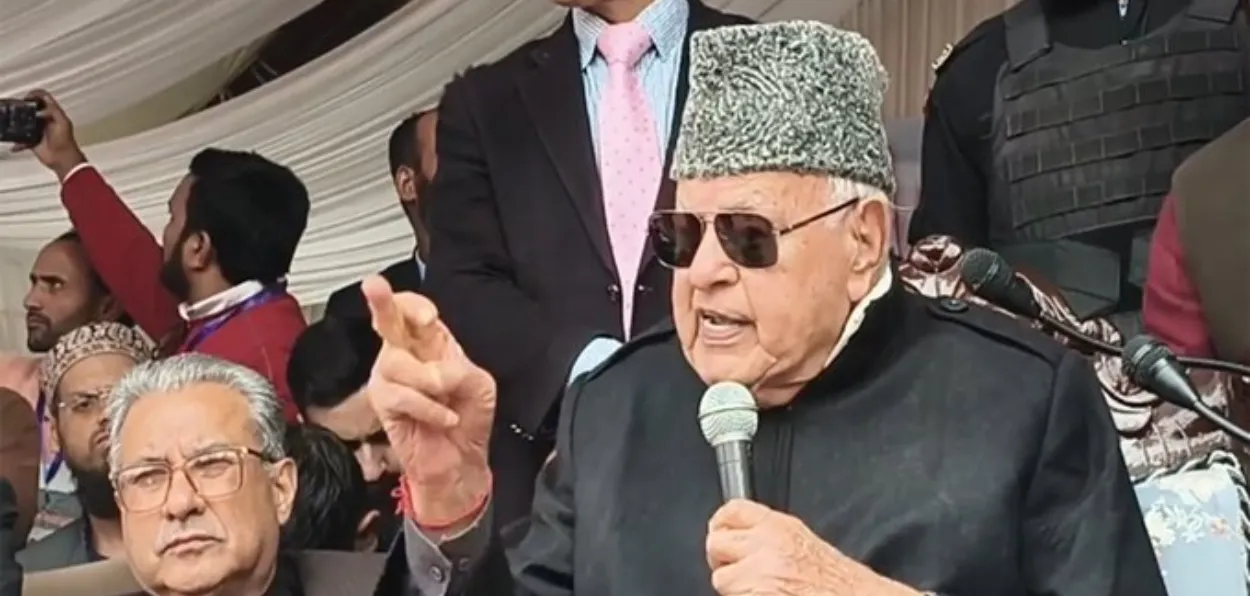
.jpeg) Syeda Saiyidin Hameed speaking at a function
Syeda Saiyidin Hameed speaking at a functionInterestingly, though Saiydin Hameed lives in south east Delhi’s Jamia Nagar, she still refers to Panipat as her ‘watan’.
Saiydin Hameed was born in Kashmir in the pre-partition era and attended school and college in Delhi. Later, she secured a master's degree (MA) from the University of Hawaii (USA), though her teaching career began at the University of Delhi.
Her career started as a lecturer at Delhi University, but she later joined the University of Alberta (Canada) to obtain a doctoral degree (PhD) in 1972 and also taught there. Later, she also joined as an executive assistant at the Minister of Advanced Education and Manpower, with the Alberta (provincial) government.
There she met and married S.M.A Hameed, Professor of the Faculty of Business Administration and Commerce.
However, the couple returned home in 1984, and she went back to the basics with her assignment with the Indian Council for Cultural Relations to work and research on Sufism, a cult that brought her ancestors to India. She continued her research on Muslim socio-political issues, Maulana Abul Kalam Azad
She was soon appointed as a member of the National Commission for Women by the Inder Gujral government in 1997. As a member of the NCW, Hameed prepared reports such as ‘Voice of the Voiceless’ and ‘My voice Shall Be Heard’ In 2000 that were incorporated in the future legislation.
However, with growing polarisation in society, Hameed was seen getting involved with several social activities, which led to the establishment of a number of organisations. She was one of two women who founded the Muslim Women's Forum.
In 2000, as a member of the National Commission for Women, Hameed toured all over India listening to the voices of Muslim women at her public hearings. Its recommendations were presented to the Government, religious bodies, and civil society for policy formulation. She followed it up with another round of reality check and presented another report. Her persistence led the UPA government to set up the Justice Rajinder Sachar committee to study the socio-economic status of Muslims in India.
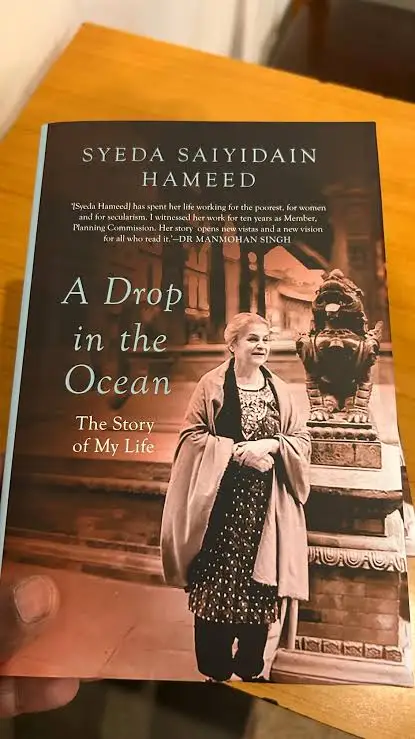
She has authored Islamic Seal on India’s Independence: Abul Kalam Azad—A Fresh Look (1998) and Dr Zakir Husain: Teacher Who Became President (2000), several books in Urdu and has translated and compiled several other books in English and Urdu. In 2007.
She is a recipient of the Padma Shri for her contribution to social service.
Living in Delhi, her obsession with the civil rights of common citizens grew, and she founded the South Asians for Human Rights (SAHR), and the Centre for Dialogue and Reconciliation (CDR)
During her tenure in the NCW, Hameed was passionately involved in reversing the trend of female feticide in Punjab and Haryana. Panipat being her ‘Watan’, Hameed was shocked to see the district where her family comes from and once women ruled over vast farmland and estates while men went to far-off places as educationists, among the lowest sex ratios due to the killing of female foetuses.
She once told me that during her visit to the district as an NCW member, she was shocked to see the state of affairs, “I could not believe that it was the same place where my great-grandfather, Altaf Husain Halli, had recited his famous poem espousing women’s emancipation way back in 1857.”
Her Halli clan was forcibly shifted to Pakistan during the partition on the assurance that once the chaos settled, they would be brought back.
Today, Hameed’s family is spread across all continents while she is trying to unify people of South Asia on cultural and social levels.
 Syeda Saiyidin Hameed taking oath as Planning Commission member
Though she was recently trolled for speaking in favour of the illegal Bangladeshis, those who know her say she has a desire to see the unity of South Asia. She advocates the idea of involving Sri Lanka, Bangladesh and other nations in making South Asia a cultural fraternity, even as Pakistan takes its time to join.
In July 2004, Hameed was appointed as a member of the Planning Commission of India when Manmohan Singh became the Prime Minister of India. As a Member of the Planning Commission, she had responsibility for Health, Women and Children, Voluntary Sector, Minorities, Micro Small and Medium Enterprises.
READ MORE: Nagma Mallick builds India's case before the world through quiet diplomacy
She was Chancellor of Maulana Azad National Urdu University (MANUU), Hyderabad, a post she held till January 2015. She spends her time writing and doing advocacy for Muslims of India.









.webp)