Vidushi Gaur/ New Delhi
Every few days, Syed Abid Husain's phone rings with a familiar cry for help.
Sometimes it is a labourer trapped in a Gulf country after his passport has been confiscated. Sometimes it is a distraught mother from Bihar searching for a son who disappeared while working abroad. At other times, it is an Indian stranded in Pakistan, Saudi Arabia or Malaysia with no money, no documents and little hope of returning home.
For most people, these stories would end with evoking sympathy. For Abid Husain, they become a mission.
 Syed Abid Husain
Known across social media and among thousands of grateful families as the "real-life Bajrangi Bhaijaan," the Bhopal-based interior designer has quietly devoted years of his life to bringing stranded Indians back home. He asks for no fee, seeks no publicity and claims no special powers. His only qualification, he says, is a determination never to give up on someone waiting to return home.
@cgidubai@pbskdubai @HelplinePBSK @meaMADAD
— Syed Abid Hussain (@Aapka_abid) July 5, 2026
JayHind Mr. Anil, from Ambedkarnagar who had fallen ill in Dubai, was discharged from Medeor Hospital there on June 8,2026, & —thanks to your assistance—he has returned to his home country. Mr. Anil is now back in India
Thanks
Regards pic.twitter.com/j6wurMIvb5
"This is God's work," Abid often says. "When a family seeks help, I simply begin my efforts. I never count how many people I have helped."
Originally from Rudrapur Bhagahi village in Uttar Pradesh's Ambedkar Nagar district, Abid moved to Bhopal in 2006 to build a career as a painter and interior designer. Nothing in his early life suggested that he would one day become a familiar name in India's humanitarian circles.
His transformation began with a single case.
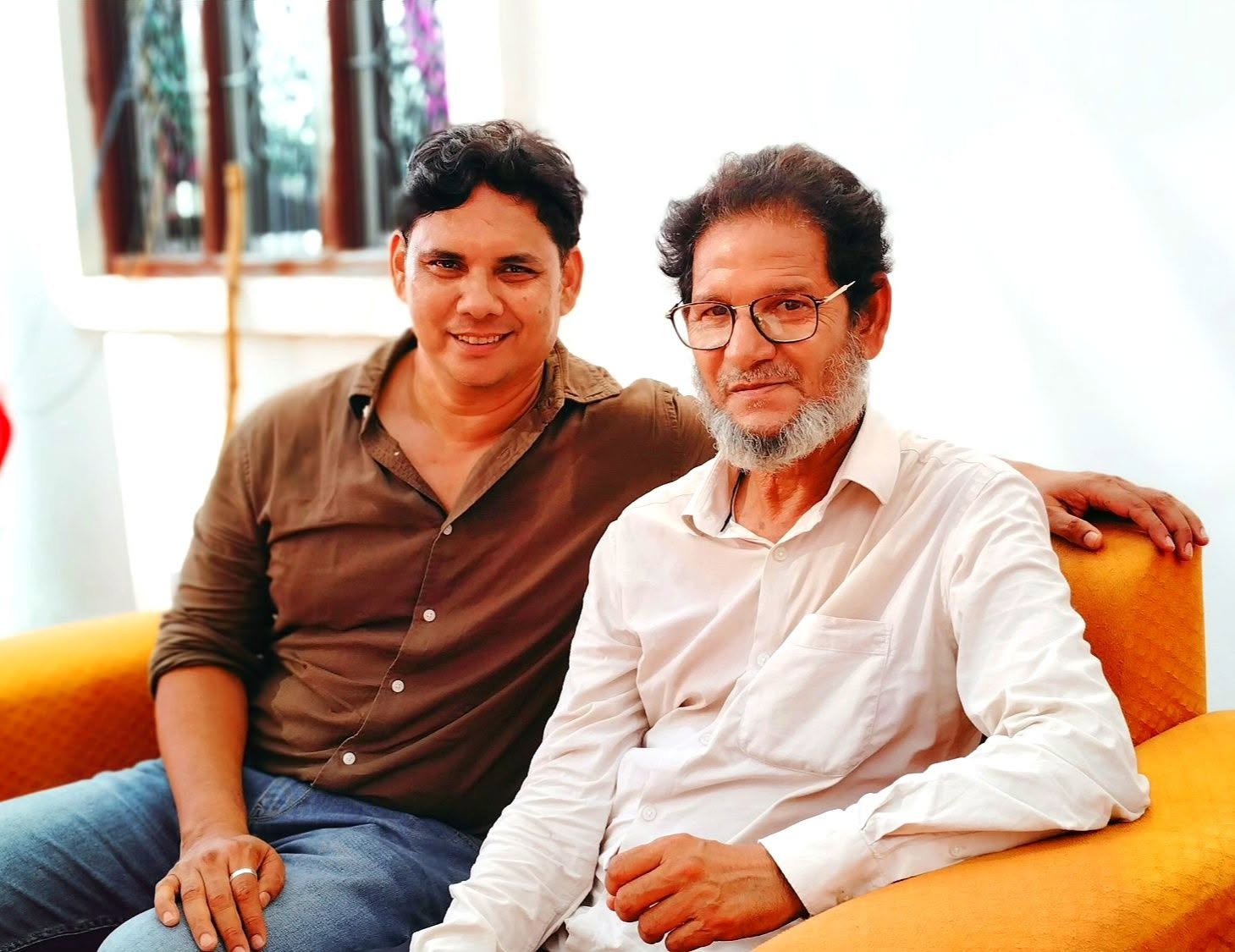 Syed Abid Husain with his elder brother
Several years ago, while trying to help a young boy named Ramzan who was stranded abroad, Abid realised how difficult it was for ordinary families to navigate international bureaucracies. Embassies, immigration procedures, legal documentation and diplomatic channels often seemed overwhelming for those already struggling with anxiety and financial hardship.
Instead of stepping away after one successful case, he decided to continue and this single act of kindness grew into a lifelong mission.
Today, Abid has helped reunite hundreds of Indians with their families. His efforts have reached across Pakistan, Saudi Arabia, the United Arab Emirates, Oman, Kuwait, Bahrain, Malaysia, Qatar, South Africa and several African nations.
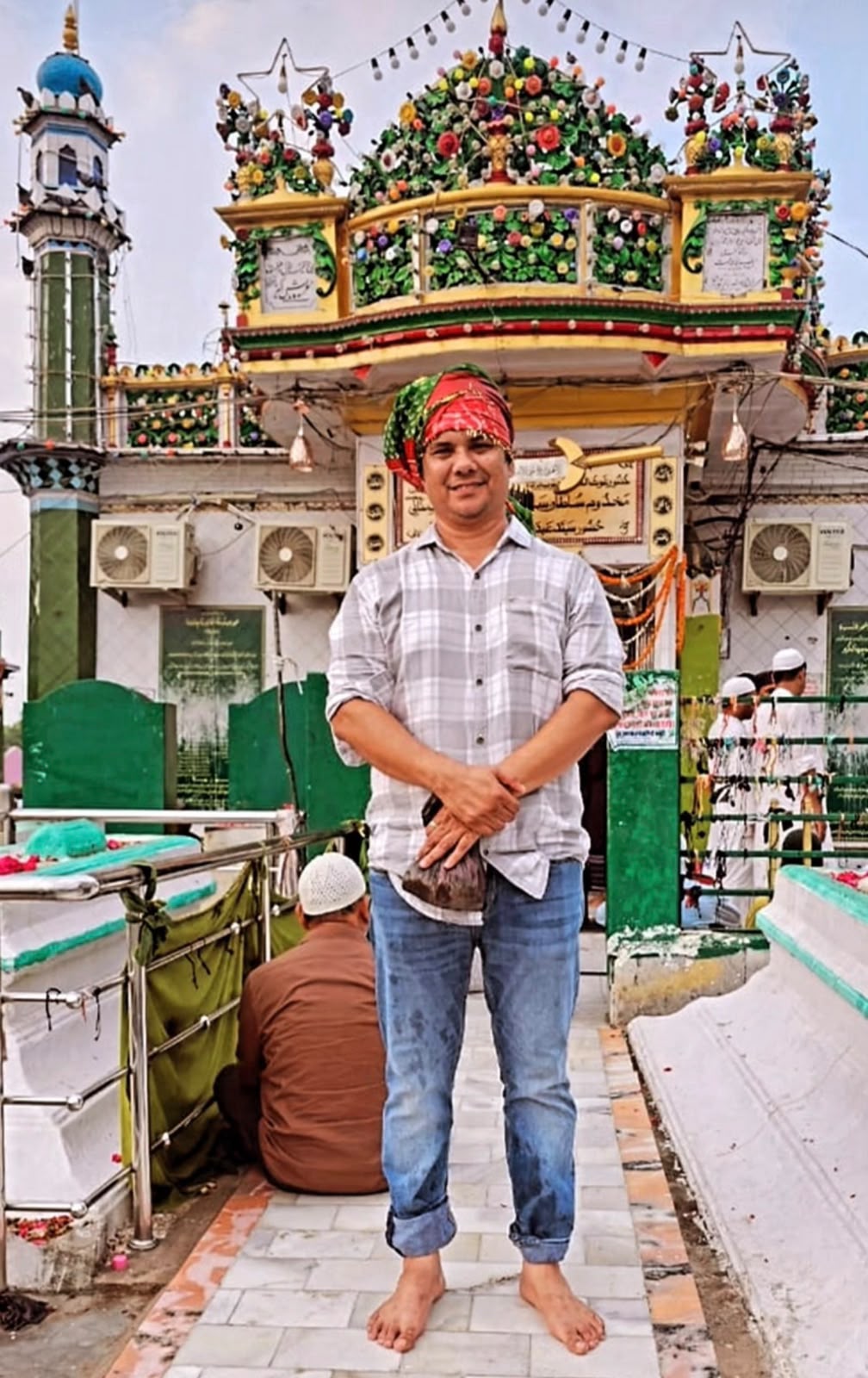 Syed Abid Husain at a Dargah
His work has benefited people from almost every corner of India, including Uttar Pradesh, Bihar, Jharkhand, West Bengal, Madhya Pradesh, Maharashtra, Kerala, Punjab, Rajasthan, Haryana, Odisha, Delhi and Uttarakhand. Religion, language and region never enter his calculations. To him, every desperate phone call deserves the same attention.
Unlike many organisations involved in humanitarian assistance, Abid operates without a formal institution or large funding network.
His office is often his mobile phone.
When someone reaches out, he begins collecting documents, verifying identities and establishing communication with Indian embassies, the Ministry of External Affairs and officials in the country where the individual is stranded. Social media becomes another important tool. Through persistent online campaigns, tagging officials and drawing media attention, he keeps pressure on authorities until a solution is found.
The work demands patience more than anything else.
A missing passport may require weeks of follow-up. A detained worker may need legal assistance. Someone imprisoned in another country could require coordination among multiple government agencies before repatriation becomes possible.
Yet Abid rarely gives up.
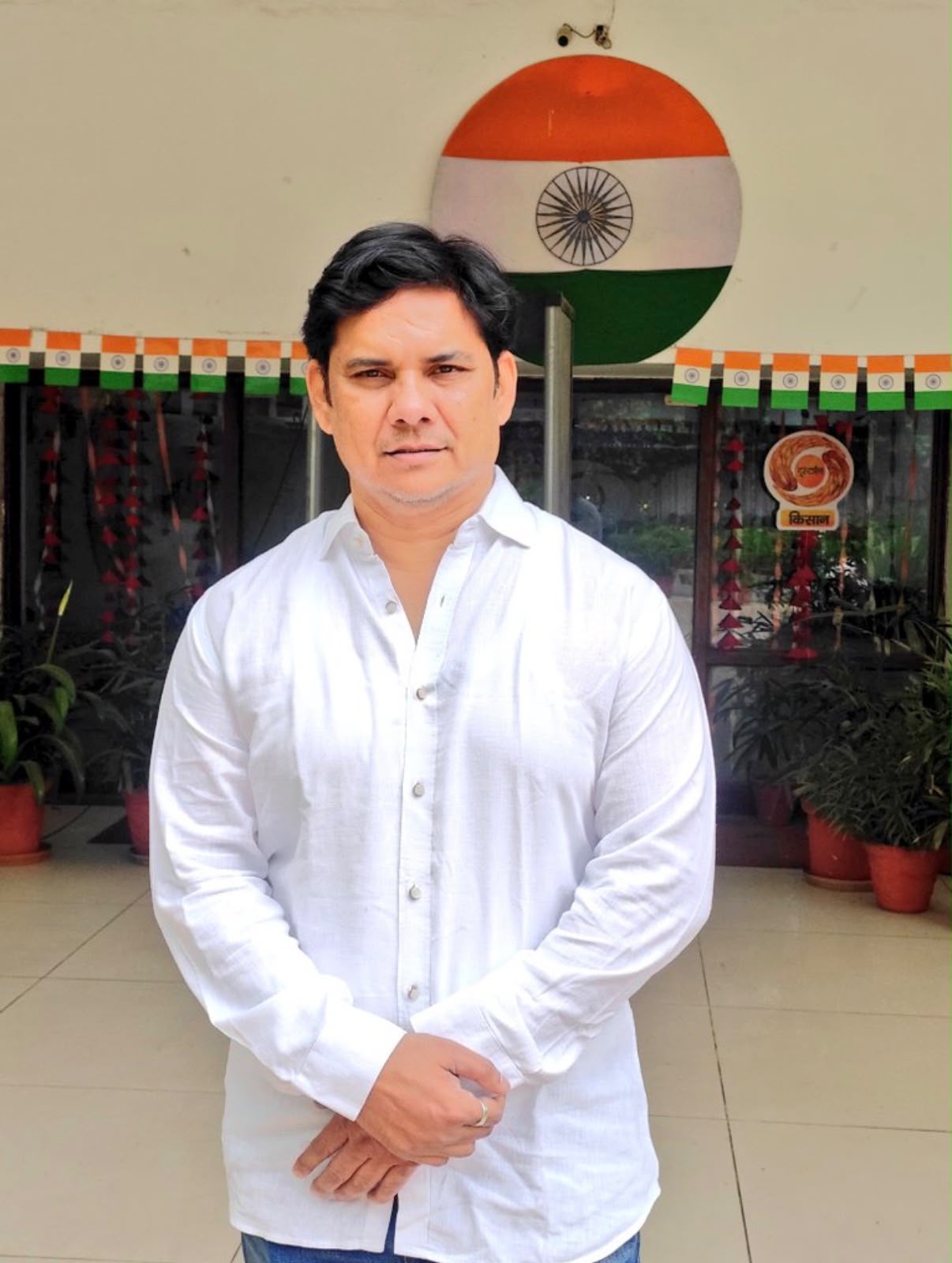 Syed Abid Husain
His humanitarian efforts expanded steadily. During crises affecting Indian workers overseas, he coordinated with officials and families to facilitate evacuations. Reports also credit him with helping in the repatriation of a large group of more than 150 Indians caught in conflict abroad, while he has also assisted in bringing back the mortal remains of deceased workers so their families could perform their final rites with dignity.
Former External Affairs Minister Sushma Swaraj, known for her accessibility and prompt assistance to Indians abroad, was familiar with Abid's work. Their interactions during several rescue efforts reflected the growing trust between dedicated citizens and government institutions working towards the same humanitarian goal.
Despite receiving awards and public recognition, Abid continues to describe himself simply as an ordinary man trying to do what he believes is right.
His greatest reward, he says, is witnessing families reunited after months or even years of uncertainty.
There are no dramatic speeches when someone finally reaches home. More often, there are tears at an airport, parents embracing children, spouses meeting after long separations and elderly mothers thanking a stranger they have never met in person.
These moments have become the true measure of Abid's success.
READ MORE: Sonam Wangchuk: My hero, and my disappointment
In the end, Abid's life is a reminder that the most extraordinary heroes are often ordinary people who refuse to look away when someone asks for help. For the families who have welcomed their loved ones home because of his efforts, he is not merely "Bajrangi Bhaijaan." He is proof that compassion, persistence and humanity can travel farther than any border.