
New Delhi
India's upcoming Kharif season faces a "double whammy" from a likely below-normal monsoon linked to El Nino conditions and ongoing tensions in the Gulf region, raising concerns over farm output, food inflation and rural demand, experts told ANI.
Highlighting the macro risks, Rajani Sinha, Chief Economist at CareEdge Ratings, said the interplay of climatic and geopolitical factors could aggravate supply-side pressures. "The rising risk of El Nino in the current fiscal year is likely to aggravate existing supply-side pressures... particularly those stemming from the West Asia crisis," she noted.
On the historical impact of El Nino, Sinha added, "El Nino years have been associated with an average contraction of 5.4 per cent in Kharif production and an average 0.3 per cent decline in agricultural GVA growth."
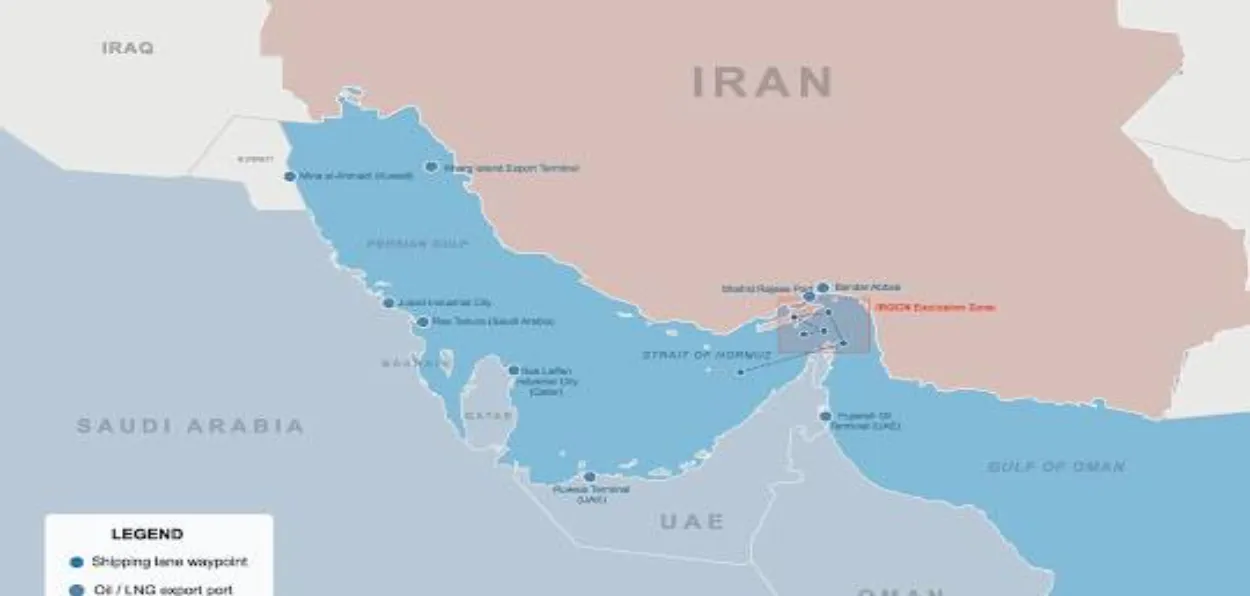
She further pointed to compounding external pressures, stating, "The agricultural sector is already under strain from elevated global fertilizer prices and reduced export opportunities... due to disruptions in the Strait of Hormuz."
Despite these headwinds, she flagged potential policy cushioning. "The government is expected to mitigate part of this impact through increased fertilizer subsidy allocations and sectoral relief measures," she said.
On inflation dynamics, Sinha underlined persistent uncertainty: "Although the government and oil marketing companies have absorbed a significant portion of the energy price shock... the situation remains uncertain and volatile."
She warned that "weaker Kharif output due to El Nino could keep food prices elevated," adding that "higher inflation combined with lower agricultural output is likely to weigh... particularly on rural consumption."
Echoing similar concerns, Amit Gupta, Senior Research Analyst at Kedia Advisory, described the situation as a "double whammy." He said, "Water scarcity directly lowers yields for rice and pulses, while the conflict spikes fertilizer and diesel costs. This combination risks higher food inflation and reduced rural income."
Offering a more measured view, Riteshkumar Sahu of Kotak Neo said the risks, while real, are not yet severe. "The forecast of below-normal monsoon rainfall at around 92 per cent of the long-period average raises some concern... but it should not immediately be interpreted as a severe crop threat," he said.
Sahu emphasised the importance of rainfall quality over quantity, "Agricultural output in India depends not only on total rainfall but also on its timing, regional distribution and the number of dry spells." He added that "even with slightly below-normal rainfall, good spatial distribution and adequate reservoir levels can still support near-normal production."
However, he cautioned that geopolitical developments could amplify risks. "Tensions in the Gulf region could push up crude oil, fertilizer and freight costs," he said, noting that higher input costs may impact yields of key crops such as paddy, pulses and oilseeds.
READ MORE: Dr Asima Banu chose the roads less taken in medicine and leadership
On buffers and outlook, Sahu said, "India has strong buffer stocks of food grains... and policymakers will closely watch June-July monsoon progress and Kharif sowing trends."
Overall, experts said the Kharif outlook will hinge on two key variables; the progression and distribution of the monsoon, and the pace at which supply disruptions linked to West Asia tensions ease.












_(1).webp "Representational Image")
.webp "Representational Image")
.webp "Representational Image")


.webp)