Saniya Anjum/Bengaluru
What defines a doctor more than qualifications, titles, or years of service? Is it the subjects they choose, the systems they build, or the values they refuse to compromise on? For Dr Asima Banu, Associate Professor and Head of the Department at Bengaluru Medical College and Research Centre (BMCRI), the answer lies in a lifetime of choosing difficult paths and standing firmly by honesty, integrity, and purpose.
Born and educated in South Bengaluru, Dr Asima Banu’s academic journey began at Saraswati Vijaya School, where she was a rank holder from her early years. Excellence followed her consistently throughout her pre-university education, where she secured top ranks, and later at BMC Medical College.
For many with such academic standing, the destination would have been a conventional, high-profile specialisation. But Dr Asima chose differently. “I have not walked on the normally trodden paths of subjects,” she reflects. “I call it destiny or my choice. I chose Microbiology.”
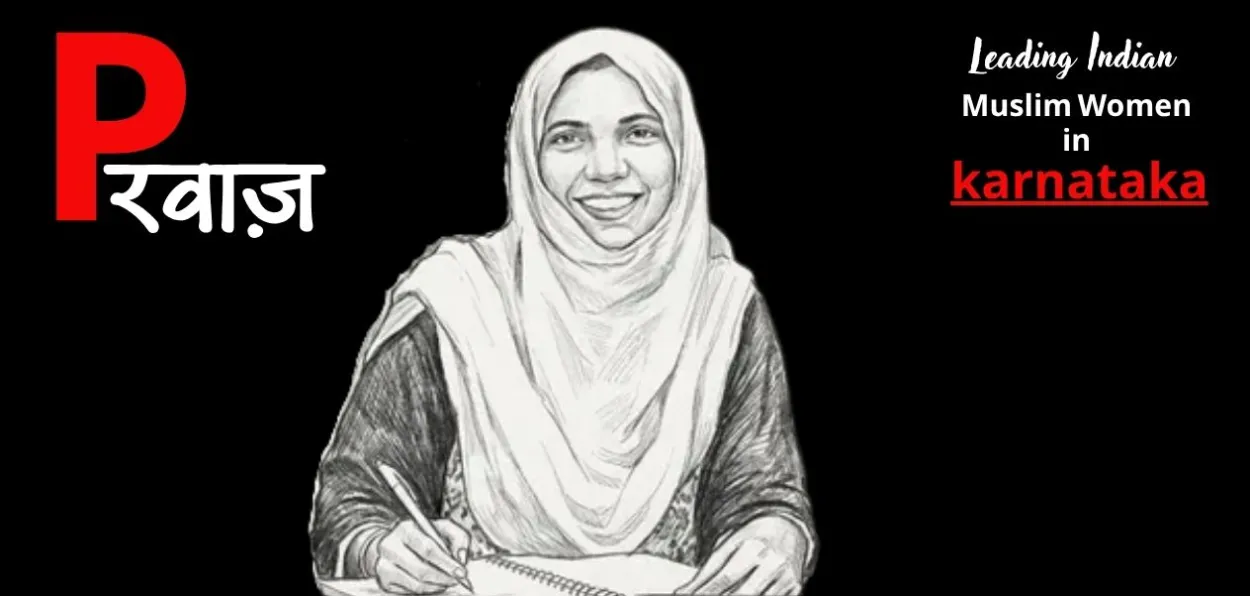
.png) Dr Asima Banu
Dr Asima BanuAt a time when HIV medicine was emerging, infection control was under-recognised, and biomedical waste management was still evolving in India, Dr Asima saw purpose where others saw uncertainty. “I have taken all roads not taken,” she says with quiet conviction. “They have never been easy, but difficult roads lead to beautiful destinations.”
This philosophy was the mantra of her 26-year career at BMCRI as a lecturer, assistant professor, associate professor, and now professor and Head of Department.
Her early years were spent at high-pressure institutions such as Victoria Hospital, Bowring Hospital, and trauma care facilities, where she worked for nearly nine years. Trauma medicine, she recalls, was relentless and unforgiving, yet deeply human.
Dr Asima Banu is not just a clinician or academician; she is a builder of systems. One of her most significant contributions was establishing the laboratory at the Trauma Care Centre and developing it into a fully functional 24/7 emergency laboratory service.
Built with minimal resources but maximum vision, the lab became a model of efficiency, catering to critical diagnostic needs around the clock. “Very good investment, low budget, excellent outcomes,” she notes pragmatically, reflecting her ability to translate ideas into sustainable action.
 Poster of Dr Asima Banu's camp at IISC Bengaluru
When asked what keeps her steady in such intense environments, her answer is simple and revealing: “Patients and my students. I love teaching. Academics keep me grounded.” This balance between clinical responsibility and mentorship has remained central to her identity.
Her role extended beyond laboratories into administration and institution-building. She was part of the core team that commissioned and ran the Trauma Care Centre, contributing both medically and administratively.
As Co-Convener of the Medical Education Unit, she helped raise teaching standards in line with evolving National Medical Commission guidelines, physical inspections, and the transition toward AI-assisted education. In 2018, she played a pivotal role in commissioning the Simulation Centre at BMCRI, marking a major leap toward modern, skills-based medical training.
Currently, Dr Asima oversees infection control at Vani Vilas Hospital and monitors infection safety at the Breast Milk Bank, where standardised protocols were established under her guidance. These roles reinforce her lifelong dedication to preventive care, patient safety, and public health, areas that often work quietly behind the scenes but save countless lives.
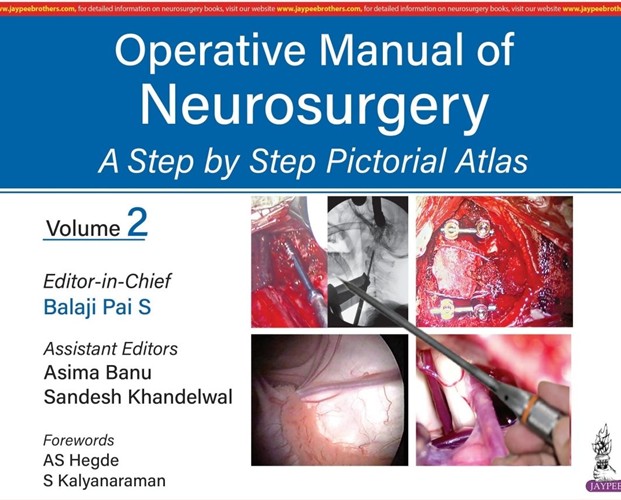
The Book in which Dr Asima Banu has contributed as co-Assistant Editor
No account of her journey would be complete without acknowledging the COVID-19 pandemic, which she describes simply as a “nightmare.” There were no holidays, no festivals, no pauses. “Despite Eid and other celebrations, deliveries were handled. Every day we walked through death,” she recalls.
Mothers delivered babies amid uncertainty, and healthcare workers faced moral exhaustion daily. Yet, she speaks not of despair but resilience, attributing survival to collective strength and what she humbly calls “divine help.” True to her nature, she adds, “I don’t keep things at heart. I go with the flow.”
Behind the professional is a grounded woman supported by family. A confessed workaholic, she finds her moments of peace with her granddaughter, in nature, jungles, painting, and handicrafts. A voice familiar to many through “Ask Asima” on 92.7 Big FM, she balances multiple roles with grace.
“Whenever family needs me, there is no compromise, neither family nor profession,” she says, reflecting the lived reality of countless women leaders in India.
When asked how she hopes her students will remember her ten years from now, her answer is disarmingly warm. She hopes to be remembered as a ‘friend’, someone who sat with them, played with them, ate with them, celebrated festivals, and stood by them beyond classrooms and examinations. It is this human connection that defines her legacy more than any designation.
In essence, Dr Asima Banu is a quiet force in Indian healthcare—a woman who chose microbiology when it was unfashionable, systems when spotlight roles were easier, and people over power at every stage. Her life stands as proof that leadership is not about the roads most travelled, but about the courage to walk alone when purpose demands it.
Leadership, for Dr Asima, is never about authority; it is about responsibility. “As a leader, be ready for criticism and negativity,” she says. “Shield your team. Lead by example.” She believes that leadership is a “no credit zone.” Her philosophy is clear: “Give all the credit to the team. A leader is only as good as their team.” This approach has earned her not just professional respect but deep loyalty from colleagues and students alike
Her message to the younger generation is clear and unwavering: follow principles, be honest, be true to your work, and become responsible citizens who make the country proud. Roses and thorns, she reminds us, come together, but integrity ensures the journey remains meaningful.
Her commitment to education was formally recognised early in her career when she received the State Best Teacher Award for Postgraduate Teaching in 2007. With over 50 scientific publications and active participation in seminars and conferences, she continues to contribute to academic medicine while mentoring future generations of doctors. Medical education, she often says, became her true passion over time.

.webp "Representational Image")









.webp)