.webp "Ayesha Tabassum")
Saniya Anjum/Bengaluru
From the urgency of a live newsroom to the strategic pace of corporate communications, Ayesha Tabassum’s career has been defined by one constant: storytelling that puts people first. A graduate of Mount Carmel College, she began her journey in television journalism with Times Now in Mumbai, stepping into the fast-paced world of broadcast media with determination and curiosity.
“When I started my career in television, I was handling a lot of shows, first as a production assistant, and then I slowly grew to become an associate producer,” she recalls. Very early on, she understood that the real craft of journalism often unfolds away from the camera lights. “What happens in front of the camera… is just part of the story. Whereas behind the scenes, the kind of editing, the way the stories are written, the way the treatment is given to visuals… form a very important part of storytelling.”
For Ayesha, storytelling was never just about reporting facts. “Till the stories don’t appeal to people, your stories will never, ever touch anybody’s lives or heart,” she says, a belief that would anchor her through one of the most defining moments of her career.
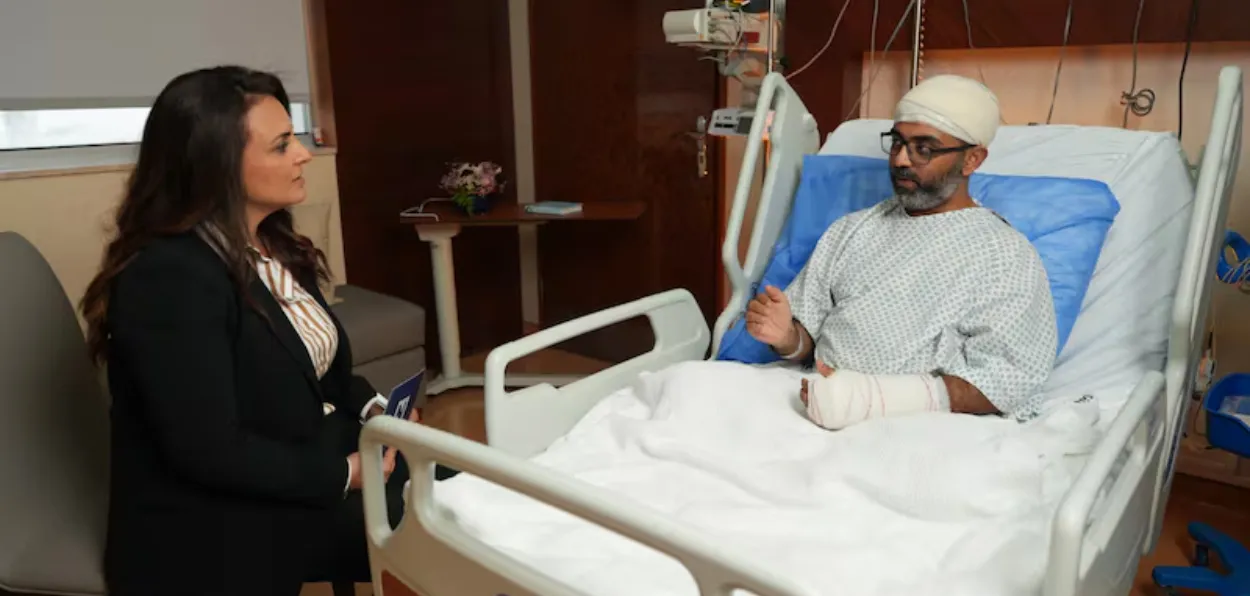
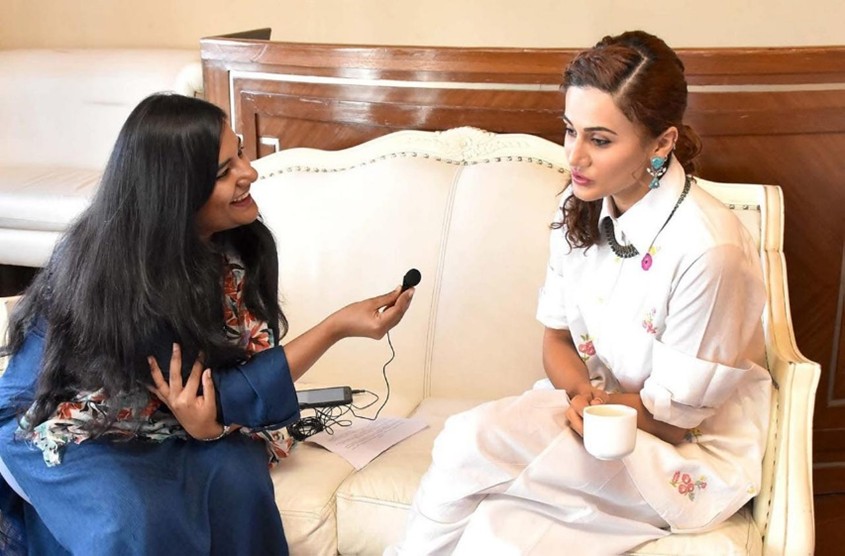 Ayesha Tabassum interviewing Taapse Pannu
In 2008, during just her second year as a journalist, she found herself covering the 26/11 Mumbai terror attacks while working at UTVi. “I very starkly remember that night,” she says. What began as a routine end to a business bulletin quickly escalated into a historic crisis as news of firing in Colaba broke. While larger networks had more resources, Ayesha and her young team had to rely on instinct, agility and composure.
“You didn’t know what’s happening in a terror attack… You just had to be prepared. And you had to be the storyteller,” she explains. Though she was in the Production Control Room managing output rather than reporting from the ground, the responsibility was immense. “As a producer, how do you communicate to the audience? I think that became very important.” Nearly two decades later, she says with quiet pride, “I’m still very proud about the fact that I was there.”
After four years in Mumbai, Ayesha returned to Bengaluru and expanded her professional horizons by entering the advertising industry. Reflecting on what shaped her most, she says, “I think it’s a combination of journalism and advertising.” Journalism sharpened her observational instincts. “You start reporting with all your five senses. It’s not just what you see. It’s also what you hear, what you smell… the feeling on your skin.” Advertising, meanwhile, refined her understanding of consumer psychology. “It’s not just about selling a product. How do you place that product, considering customer insight? What is going on in the minds of people?”
Her nearly six-year tenure with Indulge at The New Indian Express saw her interview a remarkable range of personalities across cinema and sport, from Kapil Dev to Kamal Haasan and Sunil Shetty. Yet behind the glamour, she discovered something profoundly human.
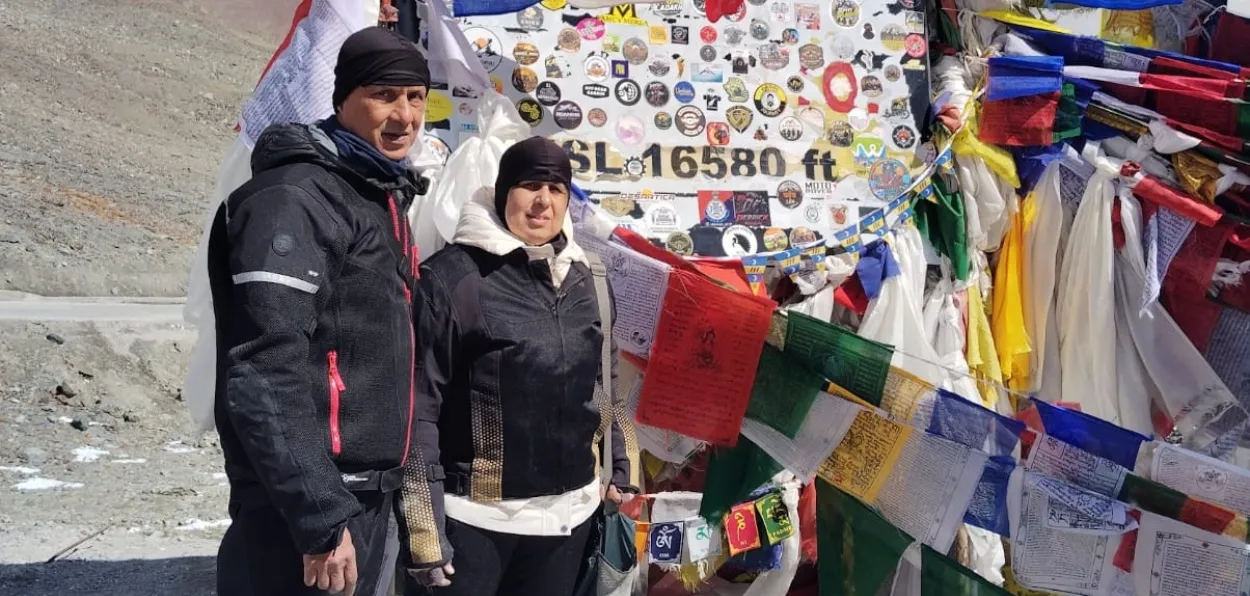
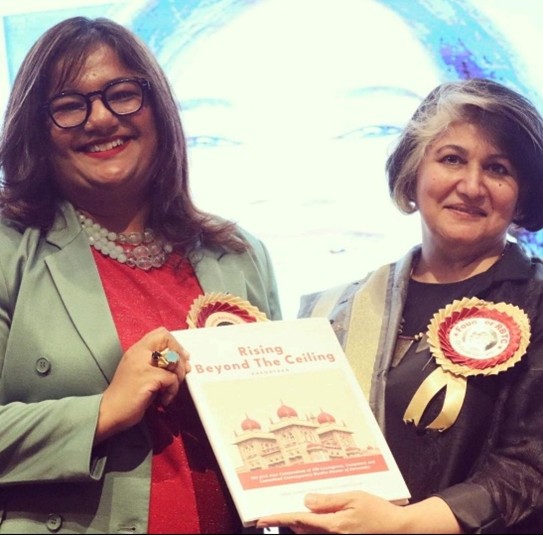 Ayesha Tabassum With Farah Usmani
“People behind the spotlight are very much like us. They also have the same kind of struggles, insecurities,” she reflects. She remembers one particular moment with Sunil Shetty, when a hurried interview schedule was gently put on hold. “He said, ‘No, let her finish her questions. There is time.’” For Ayesha, it was a reminder that humility leaves a longer legacy than fame. “Fame is very short-lived… It’s the person inside, the way you treat people that really, really matters.”
Today, Ayesha serves as Content Lead at Bengaluru International Airport Limited — a role she stepped into after her promotion last year. The position reflects not just career progression, but the culmination of years spent understanding audiences across media. She now oversees films, published reports, content for large-scale events, speechwriting, radio campaigns and influencer collaborations for the airport. In addition, she leads internal communications, shaping narratives not just for the public but also within the organisation.
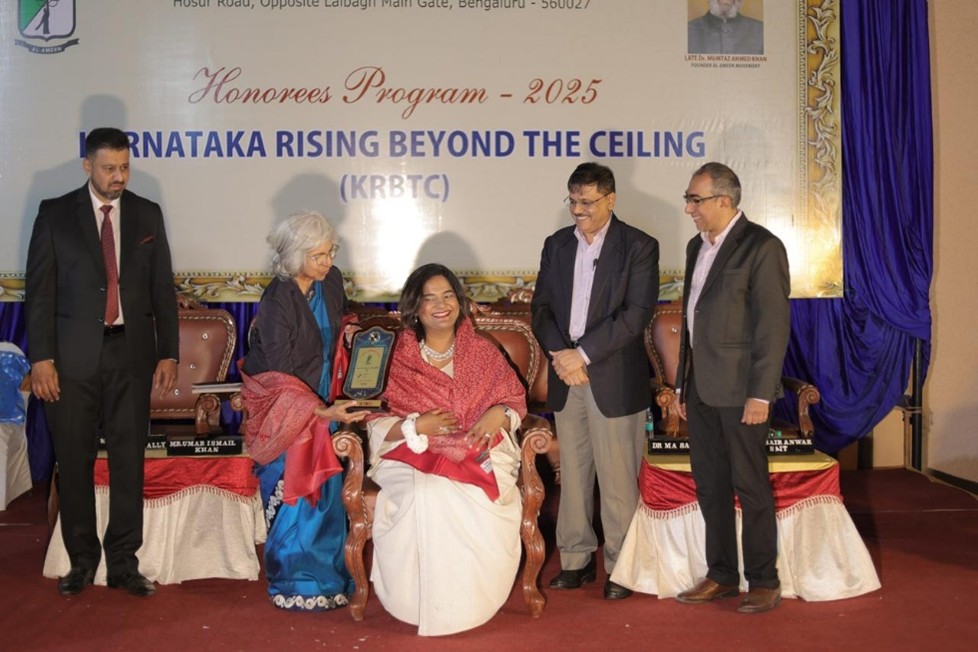 Ayesha Tabassum receiving an award
The role brings together everything she has learned: newsroom agility, advertising insight and feature-writing depth. “People are at the heart of your communication,” she reiterates, and in her current role, that philosophy translates into messaging that connects across platforms, from boardrooms to broadcast studios.
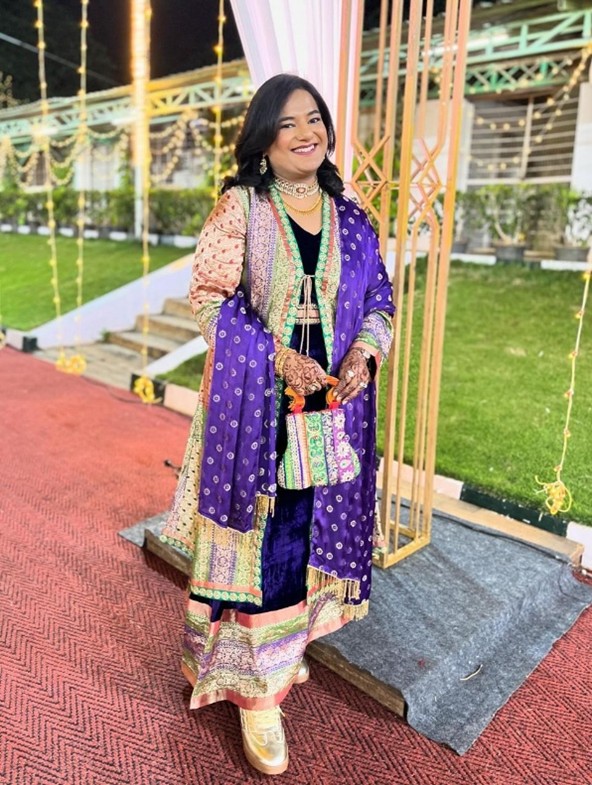
Despite her accomplishments, Ayesha remains deeply grounded in the belief that growth is continuous. “Learning will never stop till you are buried,” she says candidly. From setting up her first Yahoo email address in the early 2000s to adapting to the era of AI, she has embraced change as inevitable and necessary. “The most important thing is you need to keep an open mind and be non-judgmental.”
As a Muslim woman in media and communications, she is also thoughtful about representation and community support. “There are many, many like me in the community who have great potential… I’m not the only one,” she says firmly. What often makes the difference, she believes, is trust within families. “Till that validation doesn’t come down from the families, your confidence is lost.” She credits her parents and brother for standing by her choices. “My parents trusted me… That trust factor is very, very important.”
Looking back, she resists the idea of a single defining peak. Whether it was her first prime-time piece to camera, giving voice to an acid attack survivor, receiving appreciation for a deeply reported feature, or emceeing a large internal event before hundreds of colleagues, each phase has felt significant.
“I would never say there’s a pinnacle moment for me,” she says. “Every moment is there for you to enjoy, and that is what life is.”
ALSO READ: Parvaz- Karnataka women who are epitome of courage, harbingers of change
In many ways, Ayesha Tabassum’s journey is not defined by the platforms she has worked with, but by the perspective she has carried through them. From managing live terror coverage to interviewing global icons and now leading multi-platform content at one of India’s busiest airports, her compass has remained steady: people first, always. Rooted in trust, strengthened by experience and guided by the belief that learning never stops, her story continues — evolving, expanding and connecting — one narrative at a time.

_(1).jpg "Visitors gather at the Santosh Mitra Square Durga Puja pandal, themed on the 150th anniversary of Vande Mataram and its historic role in India's freedom movement, ahead of the festival, in Kolkata")

.jpg "Gujarat’s women entrepreneurs bring their craftsmanship to life during Navratri")







.webp)