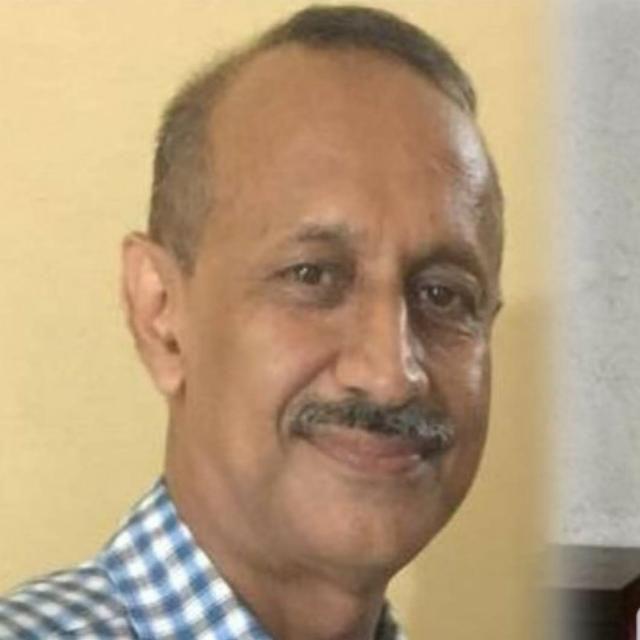
 Pallab Bhattacharyya
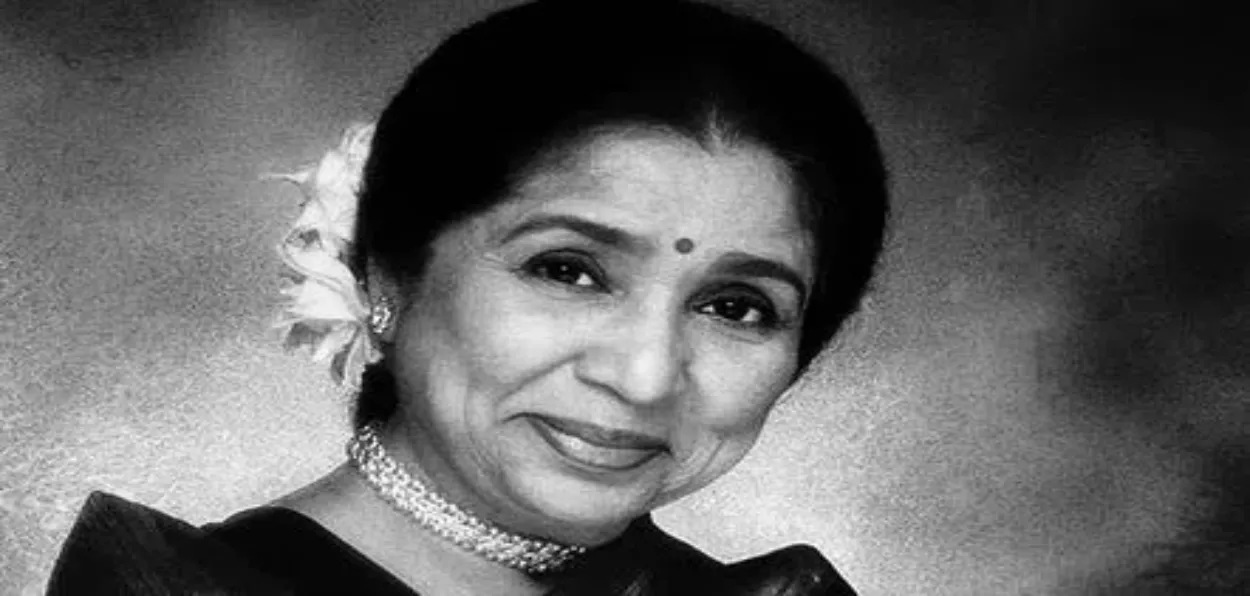
Few voices in the subcontinent have travelled as far, as wide, and as deeply as that of Asha Bhosle, whose death on April 12, 2026, brings to an end an era of music. Her songs have traversed languages, moods, and generations, but there is a quieter, less chronicled journey embedded within her vast repertoire—the journey of her voice into the cultural heartlands of India’s North East, particularly Assam and Tripura. It is a story not merely of recordings and performances, but of cultural osmosis, artistic respect, and the bridging of distant geographies through melody.
To understand this connection, one must first appreciate the remarkable adaptability that defined Asha Bhosle’s career. While she is often celebrated for her Hindi film songs, ghazals, and pop experiments, her willingness to sing in multiple Indian languages allowed her voice to resonate far beyond the mainstream circuits of Mumbai’s film industry. This linguistic openness became the gateway through which she entered the musical traditions of the North East—a region with its own deeply rooted, distinct sonic identity.
In Assam, music is not merely entertainment; it is a living expression of history, nature, and spirituality. The legacy of Bhupen Hazarika and Zubeen Garg looms large here, and it is through these towering cultural figures of the relatively ancient and new generations that Asha Bhosle’s connection to the region found one of its most meaningful expressions. Their association was not just professional but deeply artistic. Hazarika, known for blending folk idioms with global sensibilities, recognised in Asha a voice capable of transcending linguistic barriers while retaining emotional authenticity. When she rendered Assamese compositions under his guidance, she did not merely “sing” them—she inhabited them.
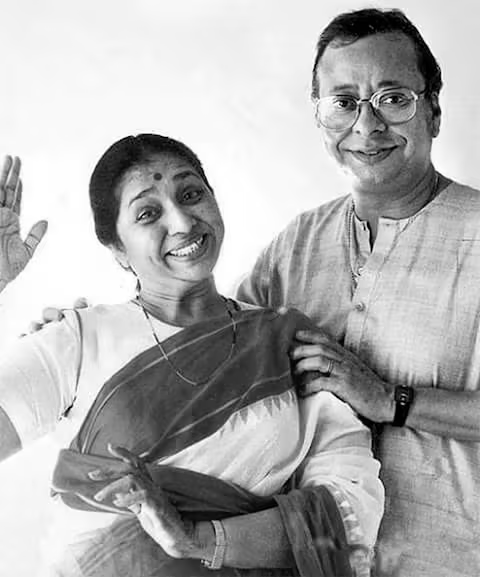
Asha Bhosle with her husband Pancham Da
So far as Zubeen Garg is concerned, there is a meaningful connection—though not a widely commercialised duet in the mainstream Hindi sense—between them, and it lies more in artistic association, influence, and shared musical spaces than in a famous chart-topping collaboration. Zubeen has long operated in a tradition shaped significantly by Bhupen Hazarika—the same cultural bridge through which Asha Bhosle connected with the North East. Because of this shared lineage, their artistic worlds overlap even if their direct collaborations are limited. There have been occasions—particularly in Assamese and Bengali musical circuits—where both artists were associated with similar projects, tribute events, or recordings connected to Bhupen Hazarika’s compositions and legacy.
Zubeen Garg has performed and reinterpreted many of Hazarika’s works, some of which were also rendered by Asha Bhosle earlier. This creates an indirect but significant artistic link: both voices interpreting the same cultural soul of Assam, albeit in different eras and styles. Zubeen Garg has also publicly expressed deep admiration for Asha Bhosle, acknowledging her as a legendary influence. For singers from the North East entering national or multilingual platforms, Asha’s career has often served as a model of how to move fluidly across linguistic and cultural boundaries—something Zubeen himself has done with remarkable success.
Her Assamese songs carried the cadence of the Brahmaputra, the melancholy of distant hills, and the warmth of the region’s folk traditions. For listeners in Assam, hearing a national icon embrace their language and musical ethos was both affirming and exhilarating. It signalled a recognition of their cultural richness at a national level, something that regions on the geographical margins have often yearned for.
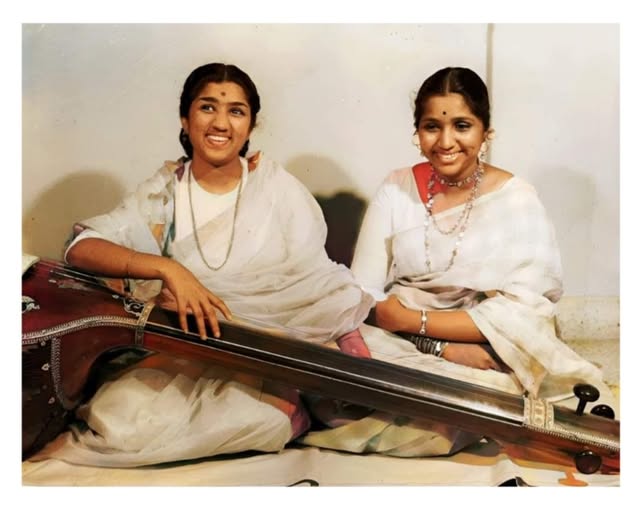 The Mangeshkar sisters - Asha Bhosle with her sister Lata Mangeshkar
But Asha Bhosle’s engagement with Assam was not confined to studio recordings. Her visits to the state, performances, and interactions with local musicians further cemented this bond. There was an evident mutual respect—Assam embraced her as one of its own, while she approached its music with humility and curiosity. This exchange underscores a larger truth: that Indian music, despite its diversity, thrives on dialogue rather than division.
If Assam provided a fertile ground for musical collaboration, Tripura offered a different yet equally compelling connection. Historically, Tripura has been a confluence of tribal traditions and Bengali cultural influences, creating a unique musical landscape. Asha Bhosle’s foray into Bengali music—already a significant part of her career—naturally extended her reach into Tripura, where Bengali forms coexist with indigenous rhythms.
In Tripura, her songs were not just popular; they became part of the cultural soundscape. The familiarity of her voice, already cherished through Hindi and Bengali cinema, found new meaning when heard in local contexts—on radio broadcasts, at cultural gatherings, and in the intimate spaces of everyday life. Her ability to evoke emotion without linguistic limitation made her an ideal ambassador of musical unity in a region marked by diversity.
There is also a historical dimension to this connection. The North East, for much of post-independence India, remained relatively isolated from mainstream cultural circuits. In such a context, artists like Asha Bhosle played an inadvertent yet crucial role in knitting together the cultural fabric of the nation. Through radio, records, and later television, her voice reached homes across Assam and Tripura, becoming a familiar companion despite geographical distances.
 Asha Bhosle's Assamese song album
What makes her connection to the North East particularly intriguing is that it was never forced or transactional. Unlike many artists who briefly engage with regional cultures for novelty, Asha Bhosle’s interactions bore the mark of genuine artistic interest. She did not attempt to overshadow local traditions; instead, she complemented them, lending her voice while allowing the essence of the music to remain rooted in its origin.
This sensitivity is perhaps what explains the enduring affection she enjoys in the region. In Assam, her collaborations with Bhupen Hazarika are remembered not just as musical milestones but as cultural moments—instances when two distinct yet harmonious artistic worlds converged. In Tripura, her songs continue to echo through generations, bridging urban and rural divides, connecting the past with the present.
It is also worth noting that her engagement with the North East reflects a broader philosophy that has guided her career: the refusal to be confined. Whether it was experimenting with Western genres, singing cabaret numbers, or embracing regional languages, Asha Bhosle consistently pushed boundaries. Her work in Assam and Tripura fits seamlessly into this narrative—it is another example of her artistic restlessness and her desire to explore the full spectrum of India’s musical diversity.
In a time when conversations about national integration often remain confined to political rhetoric, her musical journey offers a more organic and enduring model. It shows how culture, when approached with sincerity, can transcend barriers that politics often struggles to overcome. A song, after all, requires no translation to be felt.
Today, as the North East gains greater visibility in India’s cultural imagination, revisiting Asha Bhosle’s connection to the region acquires renewed significance. It reminds us that the process of integration is not new—it has been quietly unfolding for decades through the efforts of artists who believed in the universality of their craft.
ALSO READ: Parvaz- Karnataka women who are epitome of courage, harbingers of change
Her voice, timeless and versatile, continues to resonate across India. But in the lush valleys of Assam and the vibrant cultural tapestry of Tripura, it carries an added layer of meaning. It is not just the voice of a legendary singer; it is a bridge between languages, between regions, and between hearts. And perhaps that is her most enduring legacy in the North East: not merely that she sang its songs, but that she listened to its rhythms, its stories, and its soul—and in doing so, became a part of it.
The author is a former DGP of Assam Police









.webp "TV personality Teddi Mellencamp")

.webp)
_(1).webp)