New Delhi
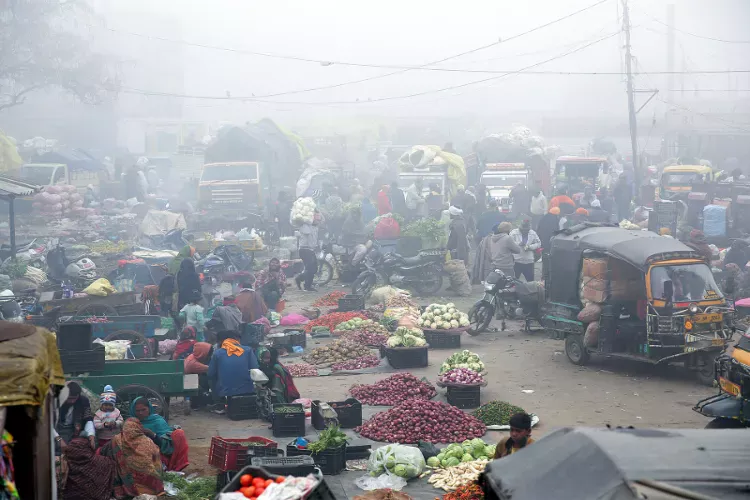
Higher onion, vegetable oil and LPG prices pushed up the cost of a home-cooked vegetarian thali by 4 per cent year-on-year in July, while the cost of a non-vegetarian thali rose 9 per cent as higher broiler prices added to the increase, according to Crisil Intelligence's monthly Roti Rice Rate report.
The report said elevated prices of onion, vegetable oil and cooking gas increased the cost of preparing both vegetarian and non-vegetarian meals at home, although lower potato and tomato prices helped partly offset the rise.
Onion prices increased 20 per cent from a year ago as higher-priced stored rabi stocks entered the market. The report said unseasonal rainfall and hailstorms in Maharashtra during March and April damaged the late-season crop and stored inventories, tightening supplies.
Vegetable oil and LPG cylinder prices rose 11 per cent and 10 per cent, respectively, on-year, primarily due to supply disruptions and elevated energy prices arising from the ongoing West Asia conflict.
At the same time, potato prices declined 12 per cent on-year following a 2-3 per cent increase in rabi production supported by higher acreage, while tomato prices eased 2 per cent as delayed summer crop arrivals resulted in higher market supplies during July.
The report said the non-vegetarian thali became costlier mainly because broiler prices, which account for around half the meal's cost, rose an estimated 14 per cent year-on-year. Higher feed costs and a low base effect resulting from the shift of the Shravan month from July last year to August this year contributed to the increase.
On a month-on-month basis, the vegetarian thali cost increased 2 per cent, driven by a 23 per cent rise in onion prices and a 4 per cent increase in potato prices. However, a 1 per cent decline in tomato prices and stable prices of other commodities prevented a sharper increase.
READ MORE: Kanwar pilgrimage showcases Indian peoples' intrinsic unity
The report said the cost of a non-vegetarian thali remained unchanged from June as an estimated 2 per cent decline in broiler prices amid moderating demand offset the impact of higher vegetable prices.
It indicated that movements in key food commodities and energy prices will continue to influence household cooking costs in the coming months.

.webp "Uttar Pradesh Chief MInister Yogi Adityanath giving award to weaver Jamalooddeen")









.webp "Delhi High Court")
.webp "Representational Image")




.webp)