Nairobi
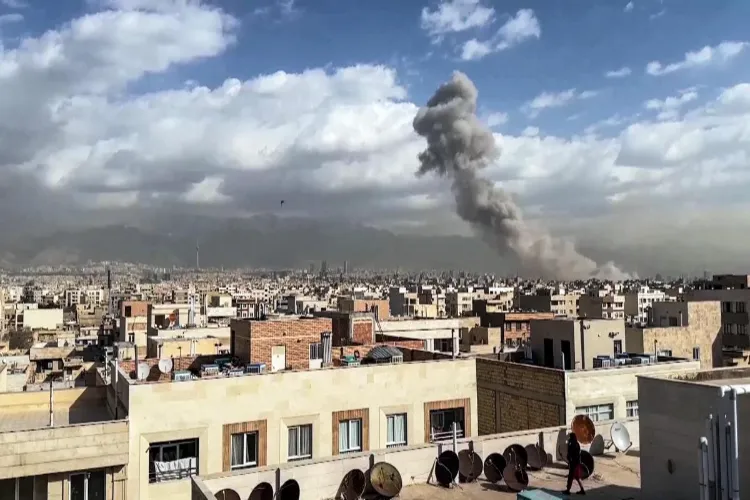
Surging oil prices triggered by the war involving Iran are sending shockwaves through African economies, raising concerns over higher fuel costs, inflation and currency pressure across the continent.
Most African countries rely heavily on imported petroleum products, leaving them vulnerable to supply disruptions linked to tensions in West Asia, a region crucial to global oil supply.
“Africa is a net importer of oil products, meaning it is heavily exposed to shocks like these,” said Nick Hedley, an energy transition research analyst at Zero Carbon Analytics.
Analysts say that when global oil supplies tighten, crude prices rise while African currencies often weaken as investors move funds into safe-haven assets such as the US dollar. This combination increases the economic impact on import-dependent countries such as Kenya and Ghana.
A similar trend was seen after the Russian invasion of Ukraine (2022), when rising crude prices and currency depreciation caused transport fuel prices in South Africa to increase by more than 25 per cent within six months.
“The near-term risks come mainly from rising oil prices and weakening exchange rates as investors move to safe-haven assets,” said Brendon Verster, senior economist at Oxford Economics.
Oil markets remain particularly sensitive to the conflict because of the strategic importance of the Strait of Hormuz, a narrow maritime corridor through which about one-fifth of the world’s crude oil shipments pass.
The impact of higher oil prices across Africa is expected to vary by country. Nations such as Kenya and Uganda say their fuel supplies remain stable as they monitor the situation.
Meanwhile, oil-producing countries like Nigeria and Ghana still import most of their refined petroleum products, limiting the benefits they may gain from higher global crude prices.
However, sustained high oil prices could benefit major exporters such as Angola, Algeria and Libya by boosting government revenues.
For most households across Africa, analysts warn the immediate effect will likely be higher living costs.
“Most food and goods across Africa are transported by road, so rising fuel costs quickly feed into broader inflation and reduce household purchasing power,” Hedley said.
Peter Attard Montalto, managing director at advisory firm Kruthan, said the crisis is also testing African economies, though some countries such as South Africa have so far absorbed the initial shock due to recent economic reforms.
Countries already under financial support programmes from the International Monetary Fund could face additional strain as higher energy import bills deplete foreign exchange reserves. Analysts warn that Sudan, The Gambia, Central African Republic, Lesotho and Zimbabwe may be particularly vulnerable.
Over the long term, analysts say the crisis could accelerate calls for African countries to diversify their energy systems and reduce dependence on imported fuels.
READ MORE: Shama Mohammad: Battling patriarchy and breaking barriers
Kennedy Mbeva of the University of Cambridge said achieving long-term energy security would require balancing immediate fiscal challenges with investments in clean energy and green industrialisation.












.webp "Representational Image")

.webp)