

New Delhi
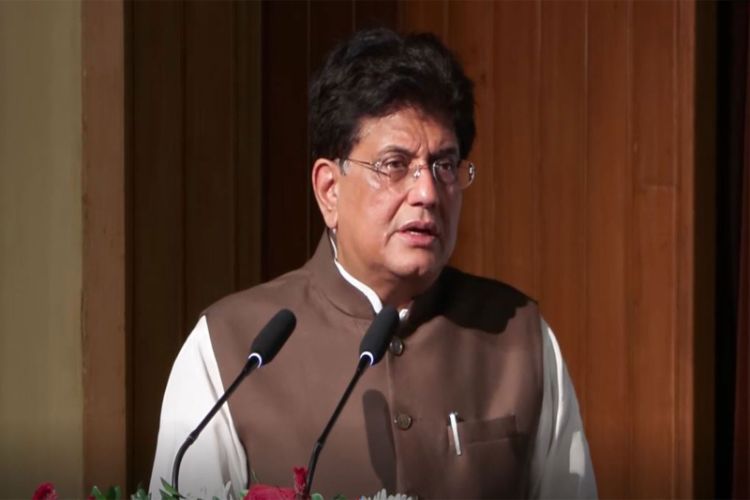
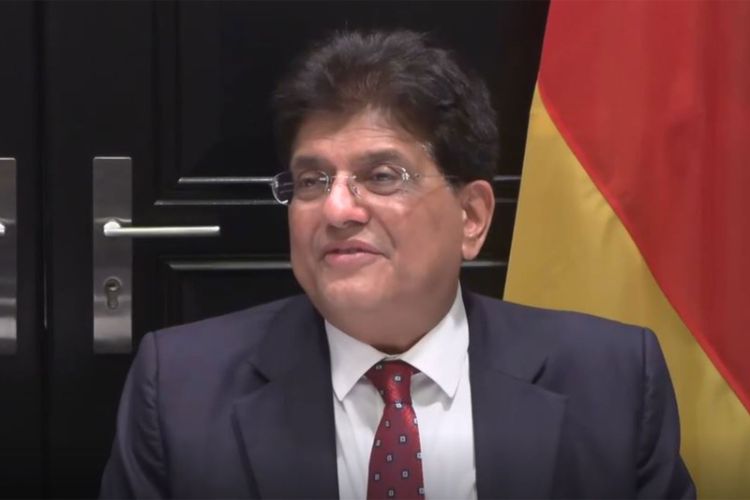
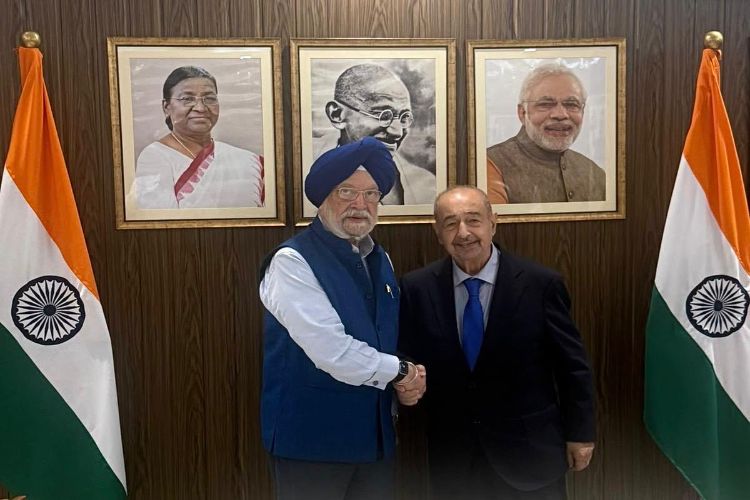
Union Minister for Petroleum and Natural Gas Hardeep Singh Puri has discussed the forces shaping global oil, liquefied natural gas (LNG) and liquefied petroleum gas (LPG) markets with energy expert Fereidun Fesharaki, highlighting rising supply from the Americas, muted global demand growth and volatility arising from the conflict in West Asia.
In a post on X on Saturday, Puri said the discussions covered changes in global energy supply and demand, with North and South America producing record volumes of crude oil and new supply centres emerging even as demand growth remained subdued in much of the world.
Had a fascinating and insightful conversation with Dr. Fereidun Fesharaki, a well-known observer of global energy markets, on the forces shaping the supply and demand of oil, LNG and LPG worldwide. We discussed how North and South America are producing more crude than ever before and how new supply centres are emerging, even as global demand growth stays muted. India remains the outlier: it is the fastest-growing and largest source of oil demand growth in the world. At the same time, conflict in West Asia and the disruption around the Strait of Hormuz are adding volatility and pushing up energy prices globally. A rich exchange on the many drivers that will define energy markets in the years ahead. @PetroleumMin
— Hardeep Singh Puri (@HardeepSPuri) October 24, 2026
India, however, remained an exception, with Puri describing it as the world's fastest-growing and largest source of oil demand growth.
The minister also flagged the impact of the conflict in West Asia and disruptions around the Strait of Hormuz, which he said were adding volatility to energy markets and pushing up prices globally.
The developments highlight the competing forces shaping international energy markets, as rising production from newer supply centres coincides with geopolitical risks affecting key energy transportation routes.
For India, one of the world's major oil-consuming economies, movements in global crude prices and disruptions to energy shipments remain important considerations for energy security and the cost of imports.
The Strait of Hormuz is a critical passage for international energy trade, making disruptions in the region a concern for oil and gas supplies and prices. The current volatility has also reinforced the importance of monitoring developments across crude oil, LNG and LPG markets.
The conversation comes amid broader international engagement on energy security and market stability. On September 22, India and the Organization of the Petroleum Exporting Countries (OPEC) held the seventh high-level meeting of the OPEC-India Energy Dialogue in New Delhi, co-chaired by Puri and OPEC Secretary General Haitham Al Ghais.
READ MORE:Rukhsar Khan trains people in yoga in Mumbai and online
The meeting focused on oil market stability, energy security, investment across the oil industry and short-, medium- and long-term market outlooks, according to the Petroleum and Natural Gas Ministry.