




Ashhar Alam
In the world of diet trends, few ideas have had the staying power of the alkaline diet. It first grabbed headlines in 2013 after a casual social media post by Victoria Beckham praising an alkaline cookbook sparked a wave of curiosity. More than a decade later, the trend is resurfacing on wellness feeds, with many wondering if this old favourite can still deliver quick weight loss.
Love this healthy eating cook book!! X vb pic.twitter.com/kpy67POw
— Victoria Beckham (@victoriabeckham) January 11, 2013
Health experts, however, urge caution and clarity.
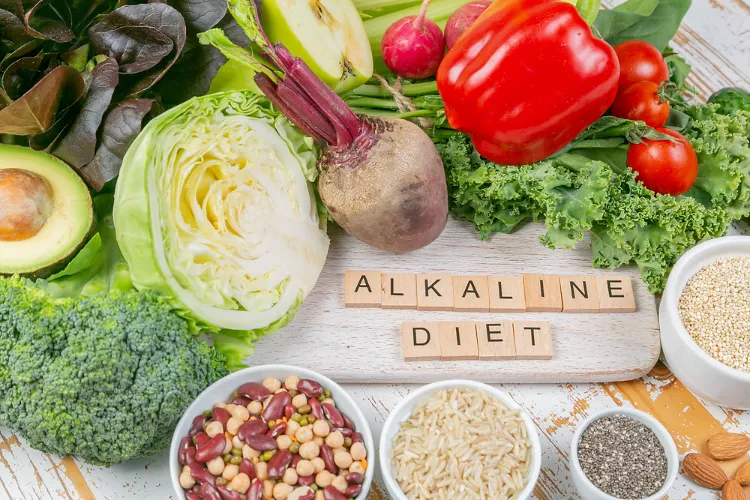
The alkaline diet is built on the belief that certain foods can influence the body’s acid alkaline balance. Followers are encouraged to load up on fruits, vegetables, nuts, seeds and legumes, while limiting foods considered “acid-forming,” such as meat, dairy, grains, sugar, caffeine, alcohol and processed items.
The promise? A more “balanced” body, reduced bloating and faster weight loss. The theory sounds scientific, which is partly why it gained popularity but science tells a different story.
According to doctors, not really.
“The body’s pH is tightly controlled by the lungs and kidneys,” explains Ginni Kalra, Head of Dietetics at Aakash Healthcare. “Food choices cannot significantly alter blood pH. Any early weight loss seen on an alkaline diet usually happens because people eat more fruits and vegetables and cut down on processed foods, sugar and refined carbs. This lowers calorie intake and reduces water retention but it’s not a shortcut to long-term weight loss.”
In simple terms, your body already knows how to regulate itself. While diet can affect urine pH, it does not make the body itself more alkaline.
Many people notice the number on the scale drop soon after starting the alkaline diet but doctors say this isn’t due to pH changes.
Dr Monika Sharma, Senior Consultant (Endocrinology) at Aakash Healthcare, notes that the initial results come from eating cleaner. “When people eliminate junk food, sugary drinks and salty snacks, calorie intake naturally falls. The weight loss is real, but it’s driven by better food choices not by making the body alkaline.”
In other words, it’s the quality of the diet, not the theory behind it, that makes the difference.
While the diet promotes healthy foods like fruits and vegetables, it can also be overly restrictive. Eliminating entire food groups such as dairy, whole grains and certain proteins may lead to deficiencies in calcium, iron, vitamin B12 and protein if not carefully planned.
Doctors warn that strict diets are often hard to maintain. Once normal eating habits return, the lost weight tends to come back, leading to frustration and repeated cycles of weight gain and loss.
ALSO READ: Awaz brings new show on Muslims' relation with faith and world
For sustainable weight management, experts consistently recommend a balanced approach: include all food groups in moderation, prioritise whole foods, stay active, sleep well and avoid extreme dietary rules.
The alkaline diet may encourage healthier eating habits but it’s not a miracle solution. When it comes to long-term health and weight loss, consistency and balance matter far more than chasing the latest wellness trend.











.webp "Representational Image")






.webp)