Ashhar Alam/New Delhi
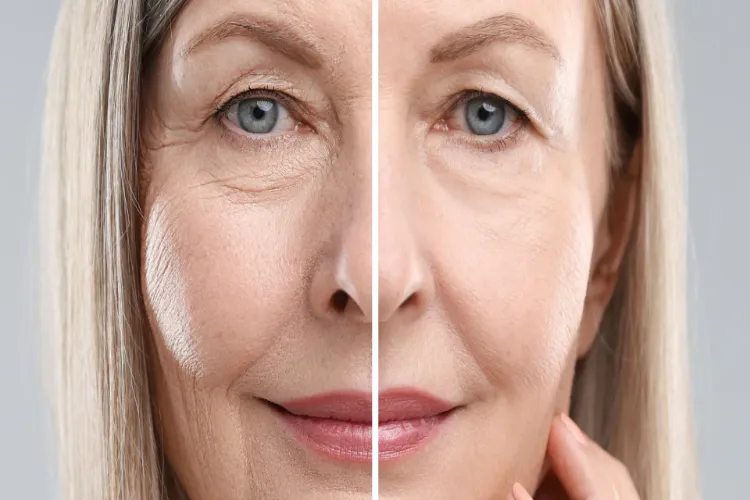
New research suggests that worrying about growing older may do more than affect the mind, it could also influence how quickly the body ages at a cellular level. Scientists have found that anxiety about ageing, particularly fears related to future health problems, may be linked to measurable biological changes.
The study, conducted by researchers at New York University, examined more than 700 women to understand how emotional perceptions of ageing relate to biological ageing. Using advanced biological tools known as epigenetic clocks, researchers observed that women who expressed higher levels of anxiety about ageing showed signs of faster cellular ageing in their blood. Concerns about future health risks showed the strongest connection, while worries about appearance or fertility had a weaker impact.
Mariana Rodrigues, a doctoral researcher at NYU’s School of Global Public Health and lead author of the study, said the findings suggest emotional experiences can translate into physical biological effects. The research, published in Psychoneuroendocrinology, highlights how psychological stress related to ageing may leave measurable biological markers.
Experts explain that many adults experience anxiety about ageing, including fears of illness, loss of independence, and physical decline. Previous scientific work has already established that long-term psychological stress can influence gene activity through epigenetic changes that affect how DNA functions without altering the genetic code itself.
The study also explored why ageing anxiety may be more common among women. Social expectations surrounding appearance, youth, and reproductive health can intensify stress during midlife. Women often also juggle multiple responsibilities, including caregiving for ageing family members, which can further shape their perception of ageing.
Researchers analysed data from 726 women participating in the Midlife in the United States (MIDUS) study. Participants shared how frequently they worried about ageing-related issues, such as health decline, physical attractiveness, and fertility.
Blood samples were then examined using two epigenetic measurement tools, DunedinPACE, which measures the pace of biological ageing, and GrimAge2, which estimates cumulative biological wear and tear. Women with higher ageing anxiety showed faster biological ageing scores, particularly on the DunedinPACE scale.
Among different concerns, health-related worries showed the strongest association with accelerated biological ageing. In contrast, anxieties about beauty or reproductive ability did not show a significant biological impact, possibly because such concerns tend to change over time as people age.
The researchers also emphasised the strong relationship between mental and physical health. They described ageing anxiety as a psychological factor that could potentially be modified through awareness, lifestyle changes, and mental health support.
READ MORE: Anika’s battle for life: Muslims extend a helping hand
However, scientists caution that the study captured data at a single point in time and cannot establish direct cause-and-effect relationships. Lifestyle factors such as smoking or alcohol consumption may also influence the findings. When researchers adjusted for these behaviours, the strength of the association between anxiety and biological ageing became weaker.
The study highlights the need for deeper understanding of how emotional wellbeing influences physical health across the lifespan and encourages broader social discussions on ageing, health, and psychological wellbeing.



_(1)_(1).webp "Khanqah Emadia Qalandaria, Patna, Bihar")









.webp "Representational Image")
.webp)