




New Delhi
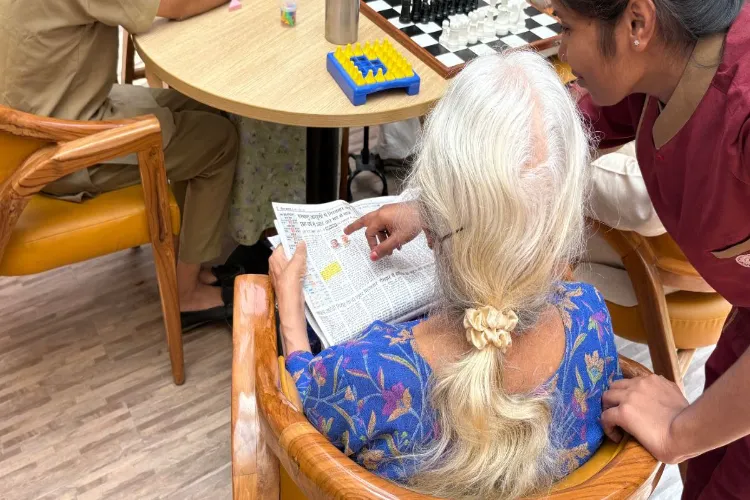
Life expectancy in India has increased, but healthcare experts say the country's medical system must shift from merely extending life to ensuring older adults remain healthy, mobile and independent as the elderly population grows.
India's population aged 60 years and above is projected to reach 347 million by 2050, nearly one in five citizens.
However, experts say the country faces a unique challenge as chronic illnesses such as diabetes, hypertension, arthritis and cardiovascular diseases often develop by age 50, nearly a decade earlier than in Western countries.
Navneeth Ramprasad, founder and CEO at Praan Health, a care platform for the 50+, said ageing cannot be managed through isolated consultations.
“Our experience of working with adults above 50 has reinforced that preserving mobility, strength and independence requires physicians, physiotherapists, nutritionists and rehabilitation specialists to work together.
“As India's elderly population grows, preventive and continuous care will become as important as treating the disease itself,” he said.
Healthcare delivery in India remains largely disease-centric, with older adults consulting multiple specialists independently, Ramprasad said.
This fragmented approach often overlooks mobility, nutrition, rehabilitation and pain management, increasing frailty and loss of independence despite treatment for individual illnesses, he said.
“At The Fifty+ Clinic, we have built our care around coordinated interventions, because preserving mobility, strength and independence requires physicians, physiotherapists, nutritionists and rehabilitation specialists to work in tandem," Ramprasad said.
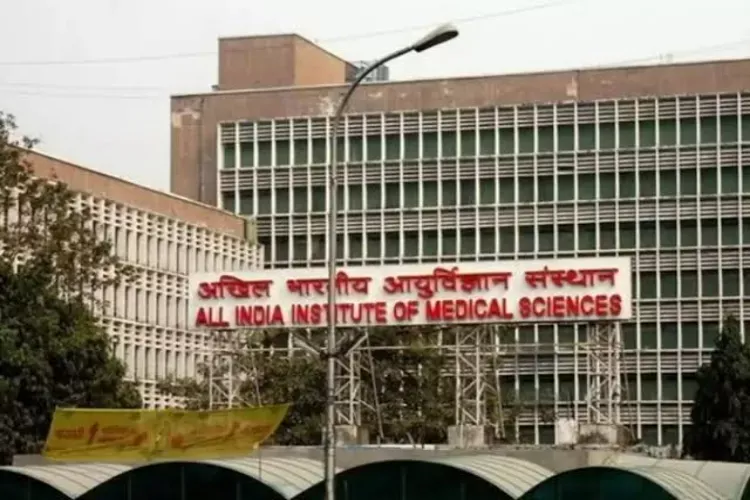
Dr Neeraj Nischal, professor in the department of medicine at AIIMS Delhi, said one of the biggest misconceptions is that reduced mobility is an inevitable consequence of ageing.
“Many older adults lose muscle strength, balance and confidence because these aspects are rarely assessed until they develop a serious problem such as a fall or fracture.
“Regular physical activity, targeted rehabilitation, and early intervention can significantly delay frailty and help senior citizens maintain their independence for much longer,” he said.
Dr Rima Dada, professor of anatomy at AIIMS Delhi, said healthy ageing requires managing risk factors well before complications develop.
“Most cardiovascular diseases seen in older adults have their roots decades earlier. Good control of blood pressure, diabetes, cholesterol, regular exercise and healthy nutrition can substantially improve not only longevity but also quality of life. The focus should shift from treating advanced disease to preventing disability,” he said.
“The incorporation of yoga in daily life is also important as it not only prolongs lifespan but also promotes healthy ageing,” he added.
The experts noted that the burden of musculoskeletal disorders is also substantial.
Industry estimates suggest that more than 60 million Indians above the age of 50 are living with osteoporosis, while over 50 million suffer from osteoarthritis.
Changing family structures are also reshaping elderly care, experts said, with younger family members increasingly living in different cities or countries, making long-distance caregiving more common, complicating coordination of medical appointments and follow-up care.
“As physicians, our responsibility goes beyond prescribing medicines. Every consultation should aim to preserve mobility, prevent disability, and improve quality of life.
“At Praan Health, we work as a team that includes physicians, physiotherapists, nutritionists and rehabilitation specialists, because healthy ageing isn’t about treating one disease at a time; it’s about caring for the whole person,” Dr Milan Prathipal, lead physician at The Fifty+ Clinic, said.
READ MORE: V.P. Suhara fights for justice for Muslim women with Quran and Constitution
According to the experts, integrated care models combining physician consultations with physiotherapy, rehabilitation, nutrition counselling, diagnostics and regular monitoring are likely to play a greater role in improving 'healthspan' -- the years people spend in good health -- rather than focusing solely on increasing life expectancy.



.webp "Union Home Minister Amit Shah")






.webp)