




Eman Sakina
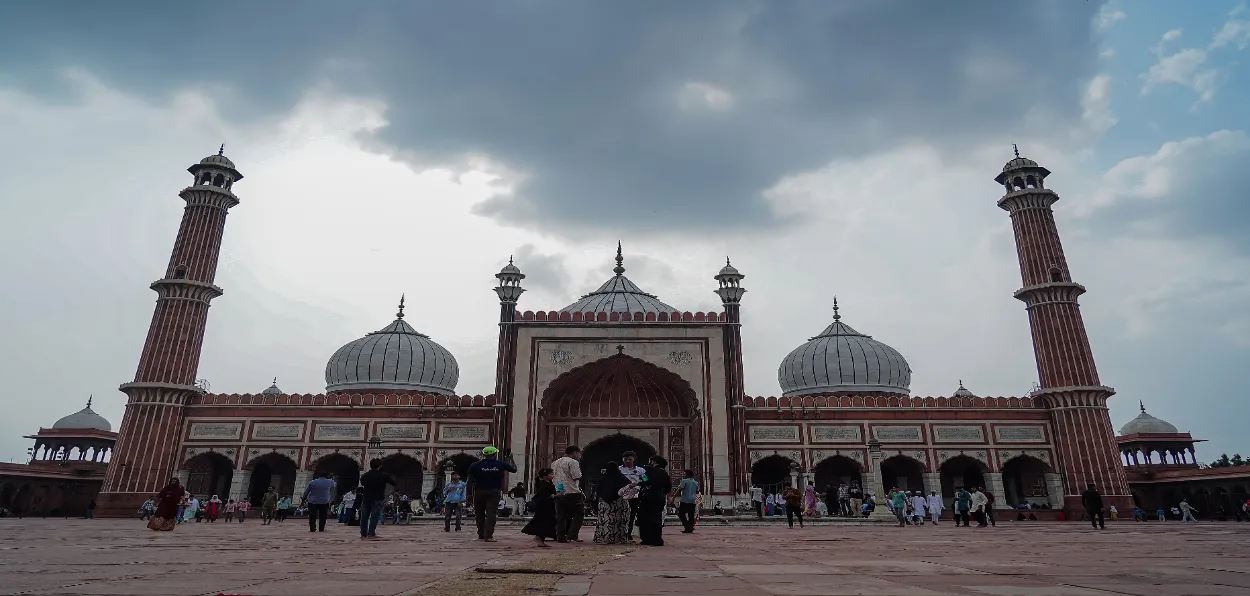
When we hear the word mosque, the first picture that usually comes to mind is prayer: rows of people standing shoulder to shoulder, the call to prayer, Quran recitation, and the quiet atmosphere of worship. And rightly so. The mosque is a house of worship and a place where Muslims turn towards Allah.
Friday Musings
But perhaps we sometimes forget that a mosque can be much more than a place we enter for a few minutes to pray and then leave.
Throughout Islamic history, mosques have been centres of learning, charity, community discussion, shelter and social care. The mosque was not separate from society's problems. It stood right in the middle of them.
The Quran reminds believers that righteousness is not limited to rituals. Allah says: “Righteousness is not that you turn your faces towards the east or the west, but righteousness is in the one who believes in Allah… and gives wealth, despite love for it, to relatives, orphans, the needy, the traveller…” (Quran 2:177)
This verse beautifully connects faith with human responsibility. Prayer matters, but so does what we do for the person standing beside us who needs help.
Imagine an Indian mosque that becomes a centre for blood donation drives. After Friday prayer, instead of everyone simply returning home, volunteers organise a donation camp where young people donate blood for accident victims, patients undergoing surgery and people battling serious illnesses. The mosque becomes a place where saving a life becomes a community effort.
This is not separate from worship. It is another expression of it.
Allah says: “And whoever saves one life, it is as if he has saved all of mankind.” (Quran 5:32)
The same spirit can be seen during floods and other natural disasters. In many parts of India, mosques can serve as collection and distribution points for food, clothes, medicines and other essentials. A mosque with a kitchen can feed displaced families. Its rooms can provide temporary shelter. Its volunteers can help elderly people, children and those who have nowhere else to turn.
The mosque can also become a place of education.
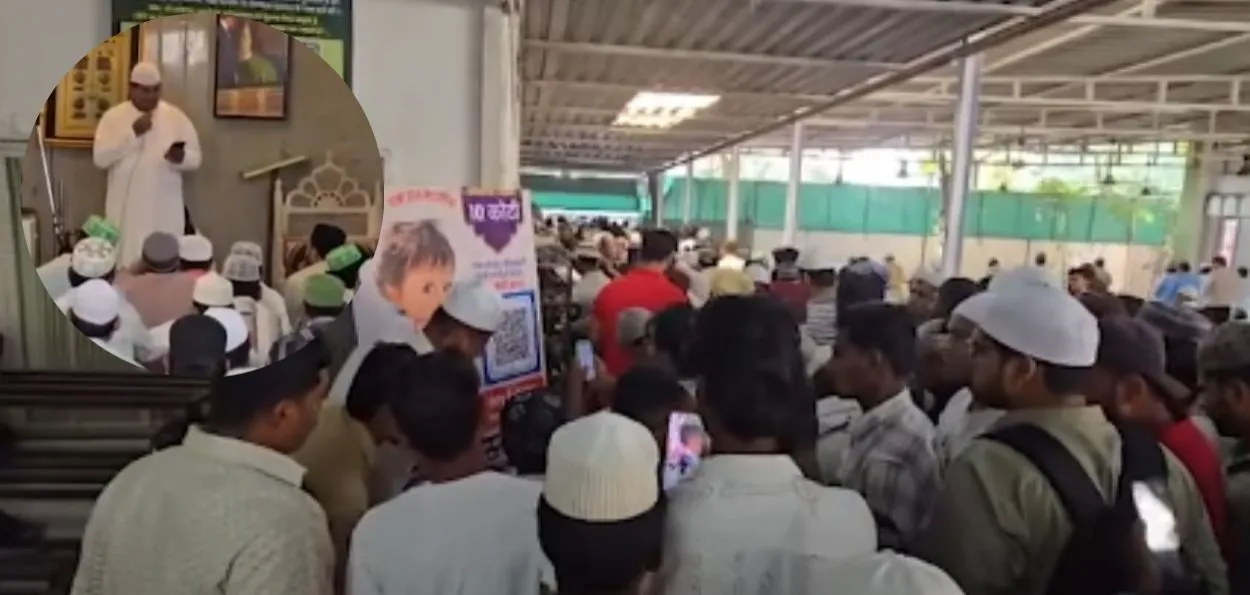
 Muslims praying in a Lucknow mosque
In communities where children struggle to access quality coaching, a mosque can offer affordable or free after-school classes. Retired teachers, college students and professionals can volunteer their time to teach mathematics, science, languages, computer Science, and coaching for competitive exams. Alongside academic education, children can learn honesty, discipline, compassion and responsibility.
Education should not be viewed as something outside religious life. The first revealed command of the Quran was: “Read in the name of your Lord who created.” (Quran 96:1)
A mosque that helps a child understand a difficult mathematics problem, guides a student towards higher education or helps a young person develop a useful skill is contributing to the strength of the entire community.
There are many other possibilities: counselling and family support sessions, career guidance for young people, food distribution for the needy, support for widows and the elderly, health camps, environmental drives, disaster-preparedness programmes and assistance for people struggling financially.
The Quran says: “Cooperate in goodness and righteousness.” (Quran 5:2)
Perhaps this is the broader meaning of a living mosque. Its doors should lead not only towards the prayer hall but also towards the community.
A mosque should certainly teach us how to stand before Allah. But it can also teach us how to stand beside one another.
The strongest mosque community may not simply be the one with the most beautiful building. It may be the one whose presence can be felt when someone is hungry, a student needs help, a family is facing a crisis, a patient needs blood, or a neighbourhood is recovering from a flood.
Namaz is at the heart of the mosque. But compassion, knowledge, service and community responsibility can give that heart a wider reach.
READ MORE: Farhan Fatima: Soaring high on the wings of hope
A mosque should not merely be a place we visit. It should be a place from which goodness goes out into the world.

.webp "Union Home Minister Amit Shah")








.webp)