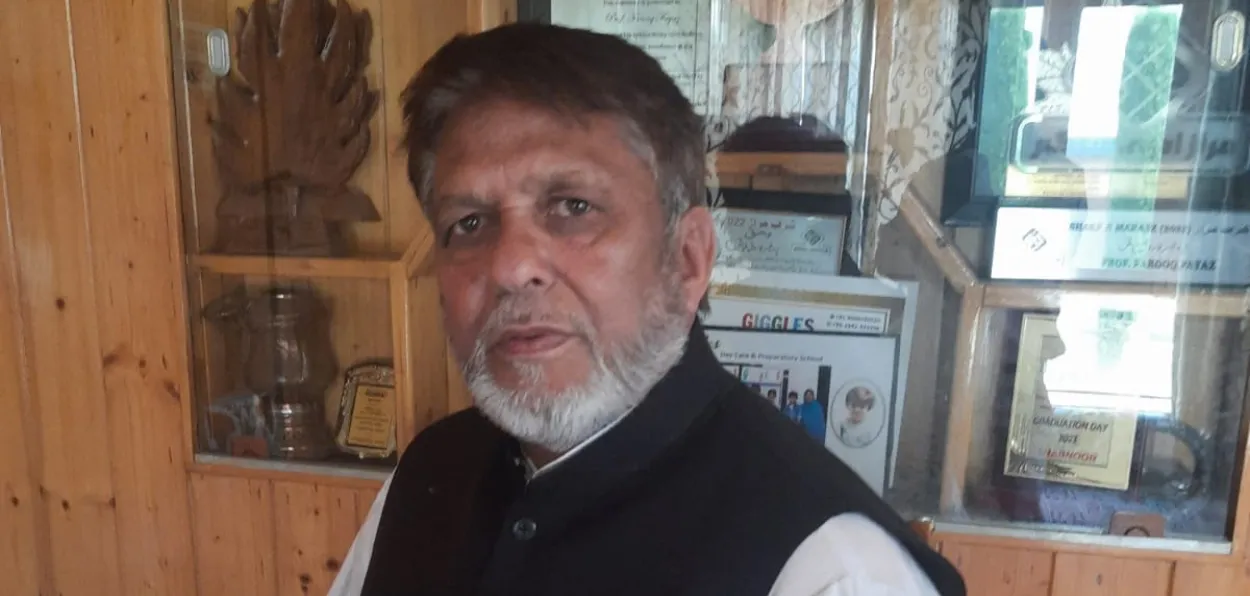
Ehsan Fazili/Srinagar
Kashmir is known for Khanqahs, shrines, or mosques, as centers of religious gatherings, spiritual retreats, and reforms in the Sufi traditions, which have developed in different ways over the past about six and a half centuries.
Originating from Sufism in Central Asia, the institution of Khanqah was meant for Shaykhs (Pirs) to mentor their disciples “in the purification of the heart and remembrance of God” and reached Kashmir in the late 14th century. It began with the construction of Khanqah-e-Moalla, also known as Shah-e-Hamadan Masjid, constructed by Sultan Sikandar in 1395 in memory of Mir Sayyid Ali Hamadani, a Persian Sufi saint.
“The Khanqah is a Persian-origin institution in Sufism that served as a residential spiritual and social hub for Sufi masters (Shaykhs or Pirs) and their disciples (Murids). Over centuries, it evolved from small, informal dwellings into expansive, State-supported complexes known by various regional names like Zawiya (North Africa), Tekke (Turkey), or Jama’at Khana (South Asia)”, said Prof Farooq Fayaz Bhat, a noted writer and historian.
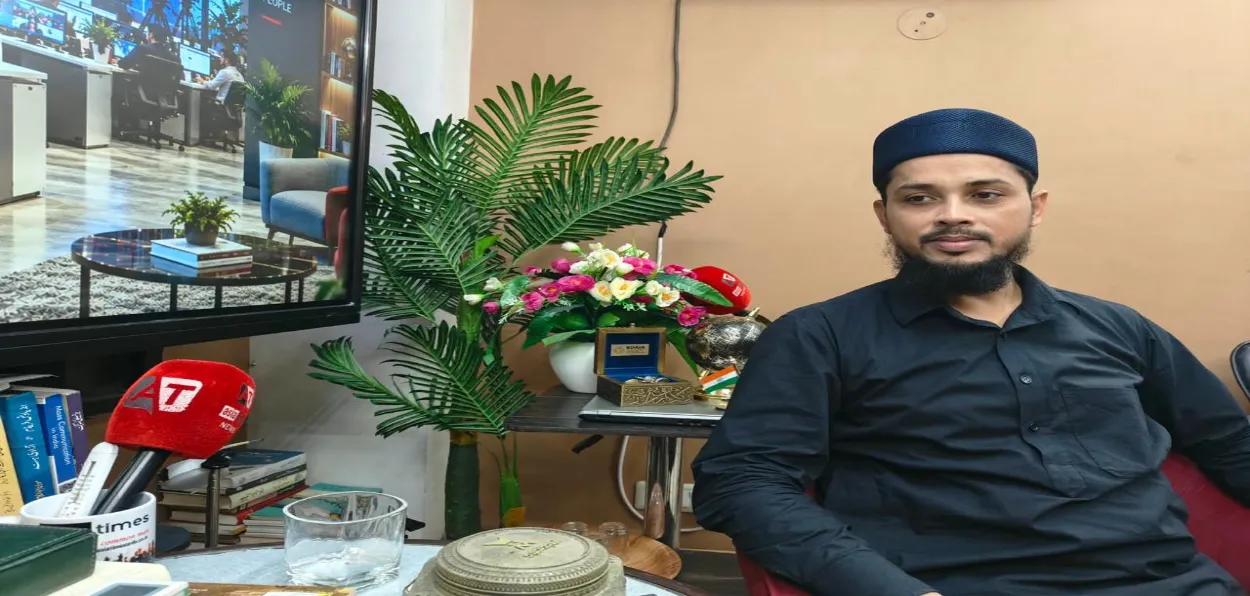
Prof Farooq Fayaz (Bhat), a Sahitya Academy awardee who has authored several books in Kashmiri and English, told Awaz-The Voice that the institution in Kashmir “lost its glory” over the years that are now known as pilgrimage centres. He pointed out that marketplaces have been developed around these centres like Dargahs and mosques, leading to “employment, social equality and coming together of people from different religions resulting in social solidarity”.
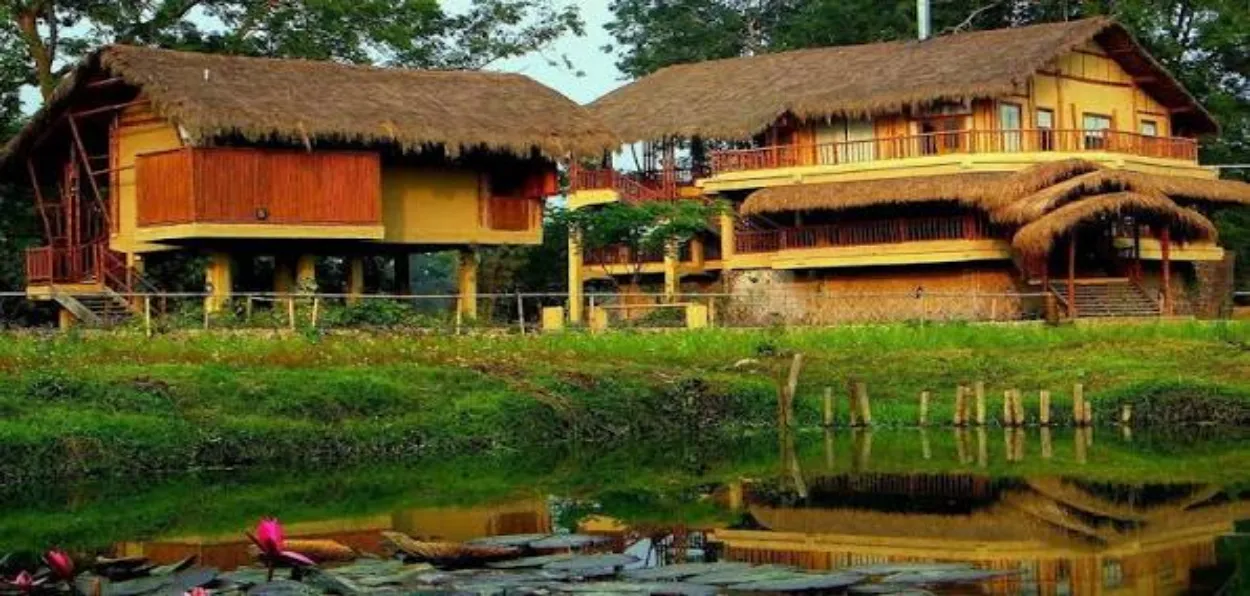
These Khanqahs also present “physical glory in the form of architectural designs of the complexes, besides religious sanctity”, with Buddhist influences, he added. The places have become commercial hubs that preserve society’s common cultural traits, where people gather, especially on occasions such as annual Urs.
In an exclusive interview with Awaz-The Voice, Prof Farooq Fayaz, dwelling upon the origin and early development of Khanqahs, said that the “concept emerged in Central Asia (Khurasan) around the 9th and 10th centuries as a space for pious Sufis and ascetics”.
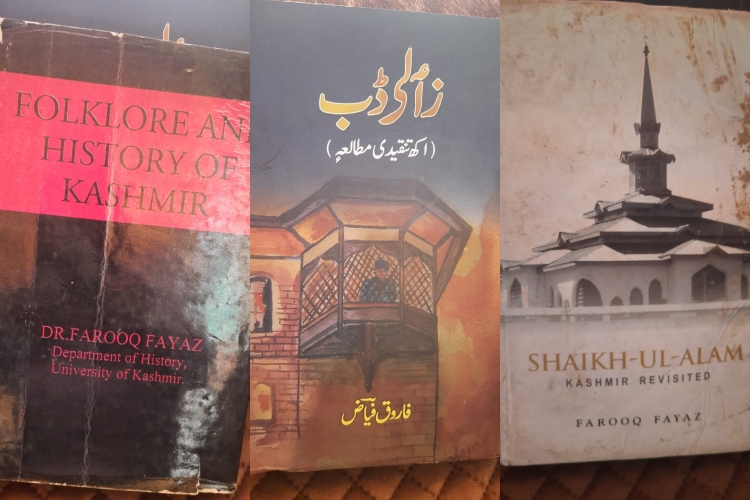 Prof Farooq Fayaz (Bhat)'s books
The initial structures, he said, were “often small humble dwellings known as ‘Duwayrahs’ or ‘Ribats’ (fortified outposts) where mystics lived in seclusion. The formalisation of the Khanqah as centre for organised communal life is attributed to Sufi Shaykhs like Abu Saʿid b. Abi'l-Khayr (d. 1049)”. He added that Khanqahs introduced “strict spiritual disciplines, including mandatory prayer, fasting and communal meditation (dhikr), distinguishing them from earlier Sufi practices”.
On further expansion of the institution, Prof Farooq Fayaz said that “by the 12th century, rulers recognised the political and religious value of Khanqahs, providing substantial funding, endowments, and construction support”.
He said that Saladin (Salah ad-Din) played a crucial role in establishing many Khanqahs in Egypt, like Al-Khanaqah al-Salahiyya in 1173, to “promote Sunni orthodoxy in opposition to Fatimid influence”.
Prof Farooq Fayaz, said that Khanqahs “proliferated, creating a network across the Islamic world, from Spain to India that supported the spread of Sufi orders (tariqahs). He added that “these institutions were not just for mediation; they operated as centres of education, community centres for travellers and hospices for the poor.”
Referring to the social and cultural role of Khanqahs in South Asia during the 13th to 14th centuries, Prof Farooq Fayaz said that these centres “became vital to the spread of Islam in the Indian Sub-Continent during the Delhi Sultanate”.
Sufi saints, particularly from the Chisti and Suhrawardy orders, used “Khanqahs to interact with the populace”.
In South Asia, the Khanqah was known as a centre of social equality, where people of all backgrounds, castes and creeds were fed and supported, often through a Langar (community kitchen). These centres also fostered music and arts, particularly the Qawwali (devotional music) practised by the Chisti order and “provided a platform for spiritual guidance”, he said.
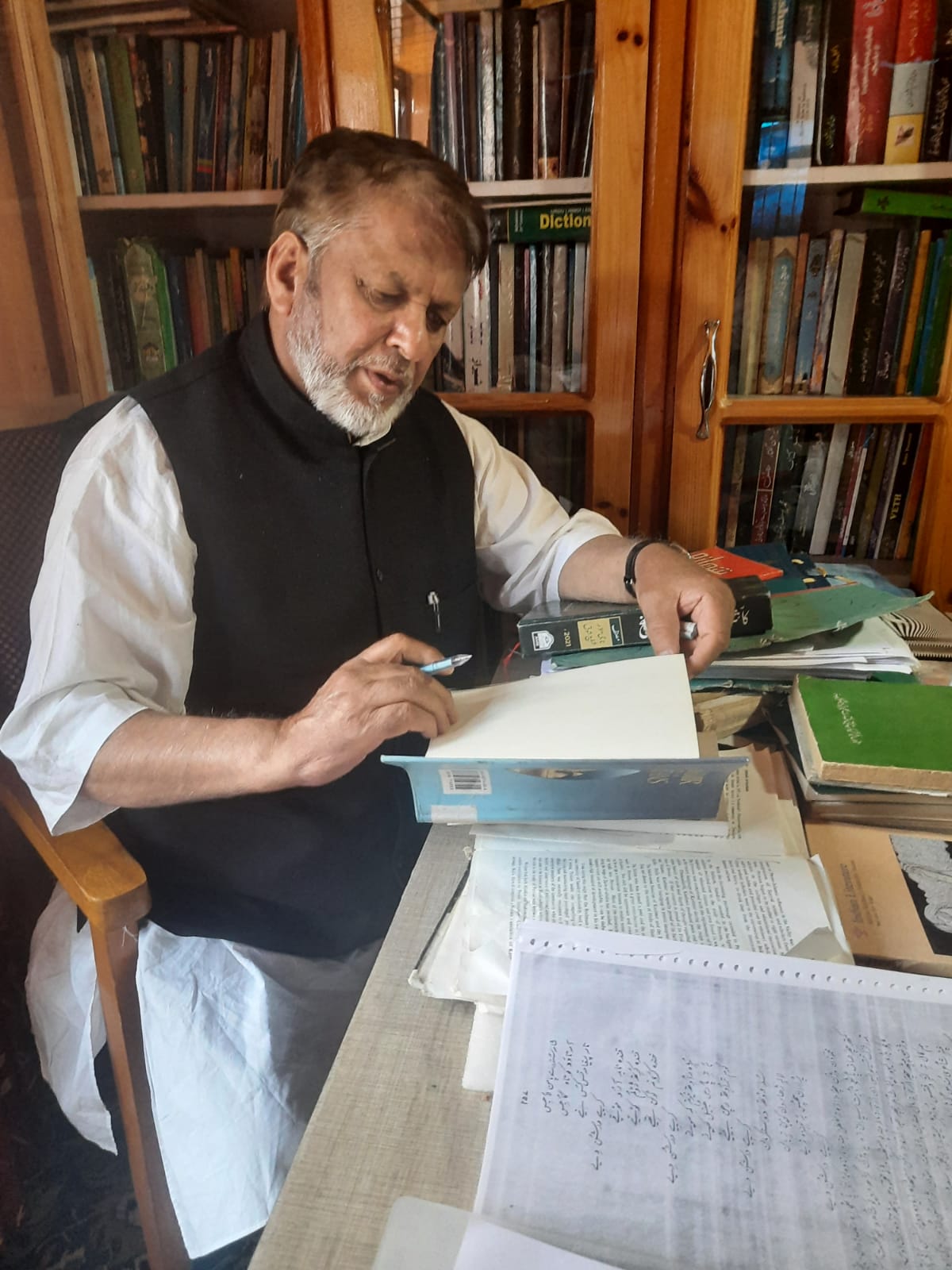 Prof Farooq Fayaz (Bhat)
He added that “while many Sufis maintained distance from the court, the Khanqah remained influential in shaping political thought and providing legitimacy to rulers, especially during the Mughal period”.
The primary focus of Khanqahs has been to provide spiritual training, “where Shaykhs mentored disciples in the purification of the heart and remembrance of God”, Prof Farooq Fayaz said, adding that the residents shared living spaces, food, and duties. The services included “providing food and shelter to travellers, dervishes, and the poor, serving the local community without discrimination through charity and social service.
“Upon their death, many Sufi saints were buried at the site of their Khanqahs, which then developed into a dargah (shrine) attracting pilgrims”, he said.
In the Modern period from the 18th century onwards, “many traditional Khanqahs transitioned into or were overshadowed by dargahs (shrines), focusing more on pilgrimage and healing than formal mystical training”.
However, there were challenges like the rise of nation-states and changes in traditional funding (endowments) that altered their function, according to Prof Farooq Fayaz. However, despite these changes, “many Khanqahs continue to operate as spaces for spiritual education, community bonding, and Sufi practice”.
“In Kashmir too each silsila had its own network of Khanaqahs. However, the majority of the Khanaqahs belonged to the Kubraviyya silsila”, Prof Fayaz pointed out and referred to nearly a dozen “most prominent khanaqahs of the period”.
These included Khanaqah-i-Bulbul Shah, Srinagar; Khanaqah-i-Sayyid Husain Simnani, Kulgam; Khanaqah-i- Mu'alla, Srinagar; Khanaqah-i-Amiryya, Mongahama, Pulwama; Khanqah-e-Faiz Panah, Tral, Pulwama; Khanaqah-i Baba Isma'il; Malik Ahmad Yatu, Srinagar; Khanaqah-i Shamas Kubravi, Srinagar; Khanaqah-e-Chak, Srinagar; Khanaqah-i-Zadibal, Srinagar; and Khanaqah-i- Sayyid Ahmad Kirmani, Srinagar.
As elsewhere in Iran and Central Asia, the Khanaqas were liberally financed by the state. “It would also be worthwhile to mention that almost every Muslim family of Kashmir was associated with one or the other tariqa, its pirs, and Khanqahas”, according to Farooq Fayaz.
ALSO READ: Mohammad Amaanullah: built a fragrance empire against the Odds
It was through such following that the Khanqahas were partly financed. Thus, apart from supplementing the salat worship by dhikr sessions, the Khanaqa became an important feature of Muslim cities and towns alongside Friday mosques- a gift of Sufism.

.webp "Union Home Minister Amit Shah")