New Delhi
India stands at a pivotal moment in its economic journey as it pursues the long-term goal of becoming a developed nation by 2047. This vision for a Viksit Bharat is supported by a more immediate target to reach a 7 trillion economy by 2030, says Lt Gen (retd) Dr S P Kochhar, Director General, Cellular Operators Association of India (COAI).
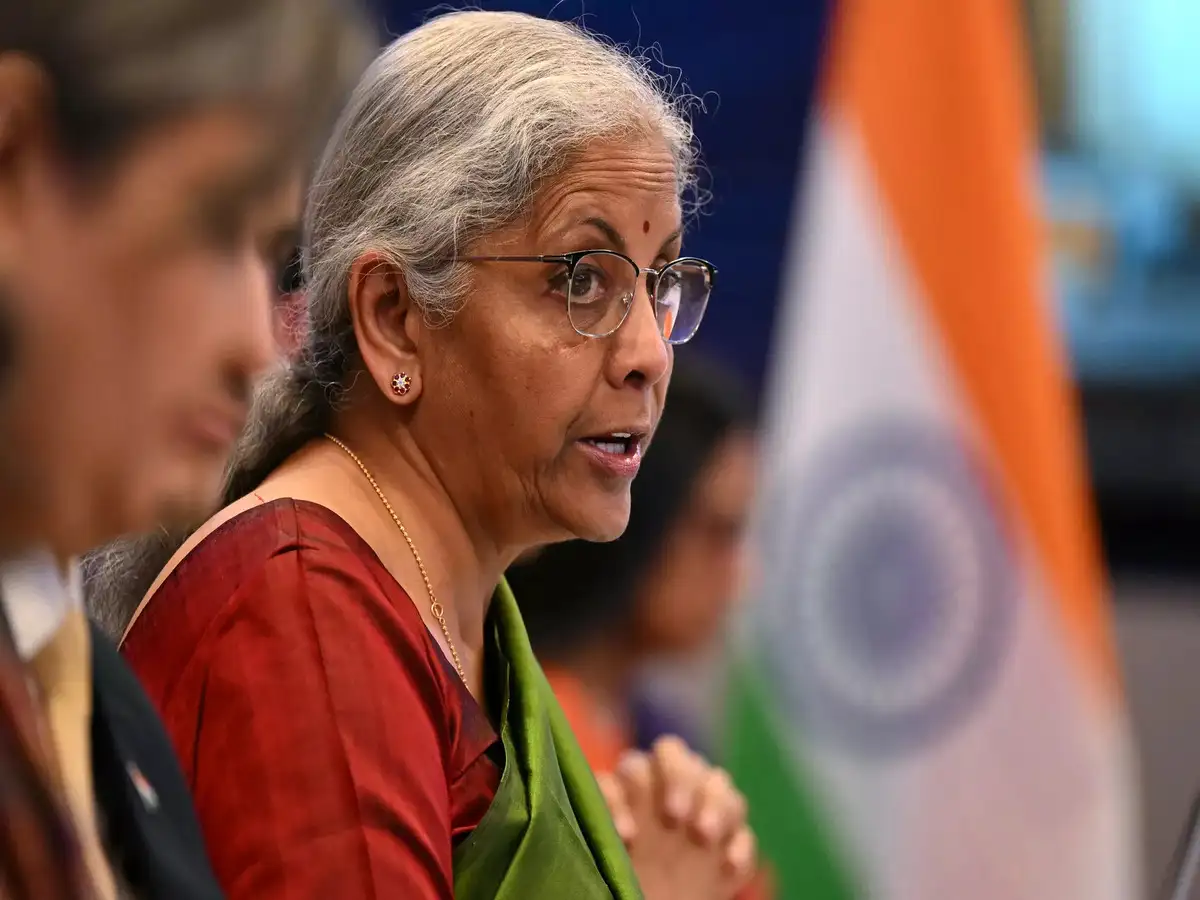
Finance Minister Nirmala Sitharaman is scheduled to present the 2026-27 Union Budget on February 1.
According to Kochhar, the upcoming budget is a crucial moment for the country, particularly for strengthening the pillars of Skill Development and Deep Tech.
"Our youth, which is 65 % of our population, is below 35 years of age, is the largest youth population in the world. We have the opportunity to create this youth with skilling, not only on technology, but on behavioural and soft skills that will help them create businesses and also be job worthy in across not just in India, but globally," he believes.
To achieve this, a shift toward outcome-based skilling is necessary. "We have to nurture the skilling centers on outcome based and not just on numbers. The funding should go to people or the organisations that are enabling skilling and creating jobs and creating startups. That's the definition of what a good skilling organization should be."
A critical component of this strategy involves decentralising advanced learning. Expanding Deep Tech and AI training into tier-two and tier-three cities is essential to tap into widespread potential. By utilising vernacular-based learning systems, the workforce can be trained to meet global standards. This effort is closely linked to the broader Deep Tech ecosystem, where the focus is shifting from service-oriented models to product-based companies.
"Our country has produced some amazing startups over the last few years, some services economies that have become billion-dollar organisations. We have a great opportunity to create that for product companies that can come out of India because we don't lack in anything and therefore can create global companies out of India," he notes. Sectors such as AI, quantum computing, semiconductors, and green tech are identified as priority areas. However, these ventures require a different financial approach, specifically patient capital. "Startups in Deep Tech require patient capital. So one request would be to create the capital and the funding structure such that the companies remain as startups or can be called as startups for about 15 years," he added.
ALSO READ: A boy's journey from Kupwara to India’s top labs as scientist
The growth of these companies also depends on their ability to penetrate both domestic and international markets. Incentives that encourage the adoption of homegrown technology within Indian corporations are seen as vital for creating the proof points needed to sell abroad. Additionally, for the established IT services and Global Capability Centers (GCCs), a more stable and simplified tax regime is requested to maintain a competitive edge. This includes faster refunds to release working capital, ensuring that the tax structure supports rather than hinders growth.












.webp "Union Home Minister Amit Shah")
.webp "Union Minister of Parliamentary Affairs Kiren Rijiju")



_(1).webp)