New Delhi
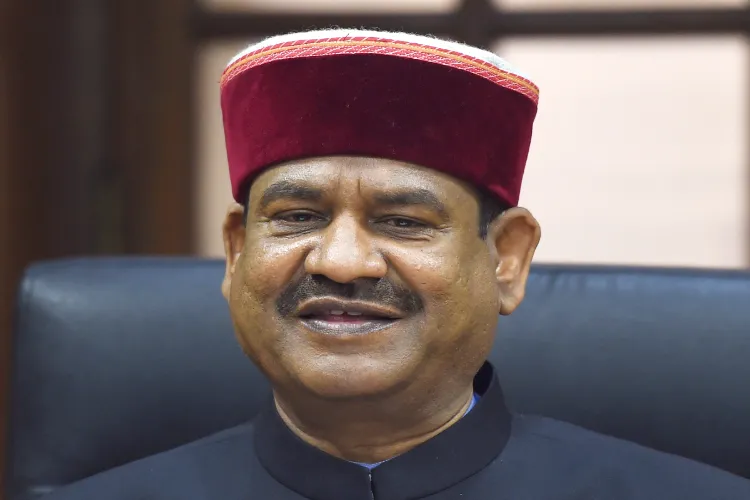
The Congress on Friday said the notice seeking the removal of Lok Sabha Speaker Om Birla has been submitted in accordance with parliamentary rules and conventions, asserting that the allegations of “partisan conduct” against him warrant a full debate in the House.
The Lok Sabha is expected to take up the notice when Parliament reconvenes for the second phase of the Budget Session on March 9.
Speaking to PTI, Congress general secretary (communications) Jairam Ramesh said that 118 opposition MPs have signed the motion, representing several parties except the All India Trinamool Congress.
“All the opposition parties other than the Trinamool Congress have signed the motion for the removal of the speaker. Let us see what happens when it is taken up on March 9,” Ramesh said.
He described the move as a legitimate democratic process and cited historical precedents when similar motions were introduced in Parliament. Ramesh noted that in 1954, a no-confidence motion was brought against former Lok Sabha Speaker G. V. Mavalankar despite the opposition having a much smaller presence in the House.
“These are democratic instruments of parliamentary democracy. The opposition has every right to move such a resolution. A debate should take place and then the House will decide,” he said.
Opposition parties have accused Birla of acting in a “blatantly partisan” manner during the conduct of proceedings in the Lower House, including not allowing Leader of Opposition Rahul Gandhi and other opposition leaders to speak during the debate on the motion of thanks to the President’s address and suspending eight opposition MPs.
The notice was submitted to the Lok Sabha Secretariat by Congress deputy leader Gaurav Gogoi, chief whip K. Suresh and party whip Mohammed Javed on behalf of several opposition parties, including the Samajwadi Party and the Dravida Munnetra Kazhagam.
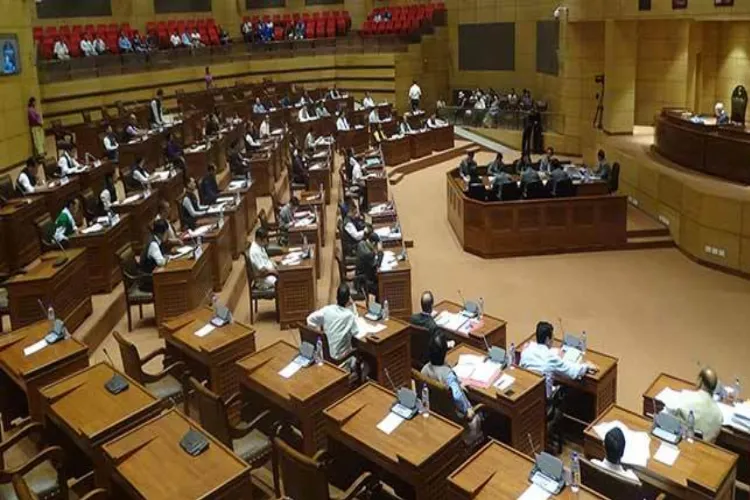
If the resolution is taken up in the House, Birla will not preside over the proceedings and will instead sit among members in the Treasury benches. However, he will have the constitutional right to defend himself during the discussion and can also vote on the motion.
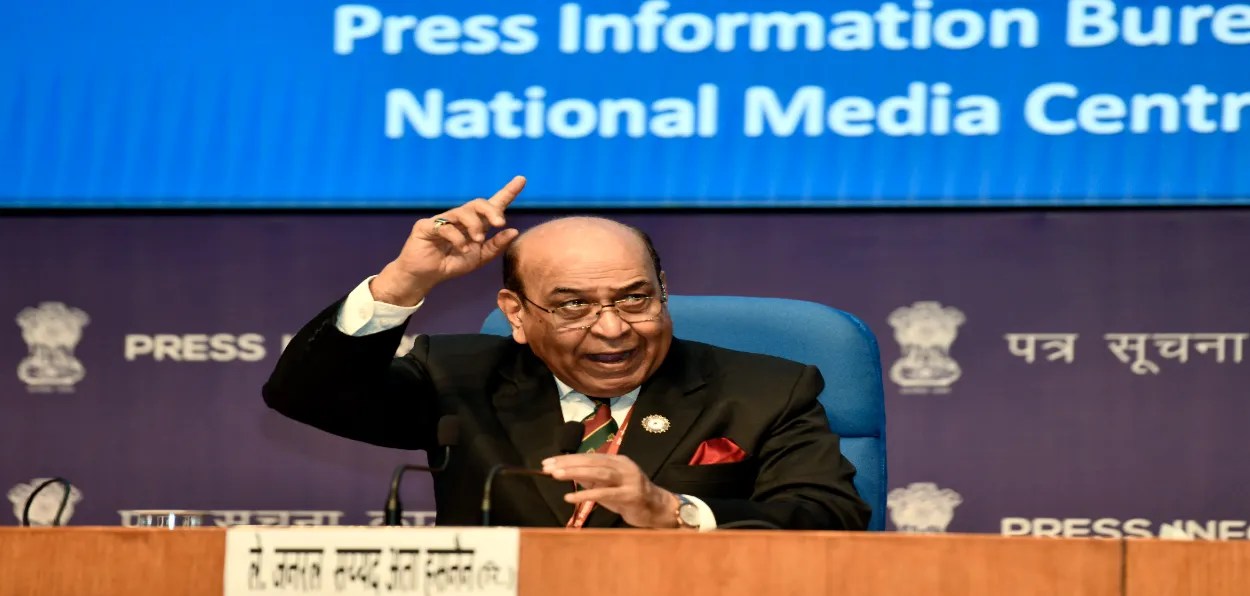
Constitutional expert P. D. T. Achary said the Speaker is barred from chairing the House when a resolution for his removal is under consideration, in accordance with constitutional provisions.
Under the Constitution, a motion seeking the removal of the Speaker requires the support of at least two members to be admitted, though any number of MPs can sign it. The resolution would pass only if it secures a simple majority in the House.
READ MORE: J&K's only woman CM Mehbooba Mufti injected compassion into politics
Historically, similar motions were moved against former Lok Sabha Speakers G. V. Mavalankar in 1954, Hukam Singh in 1966 and Balram Jakhar in 1987, but all were eventually defeated in the House.









.webp)