




New Delhi
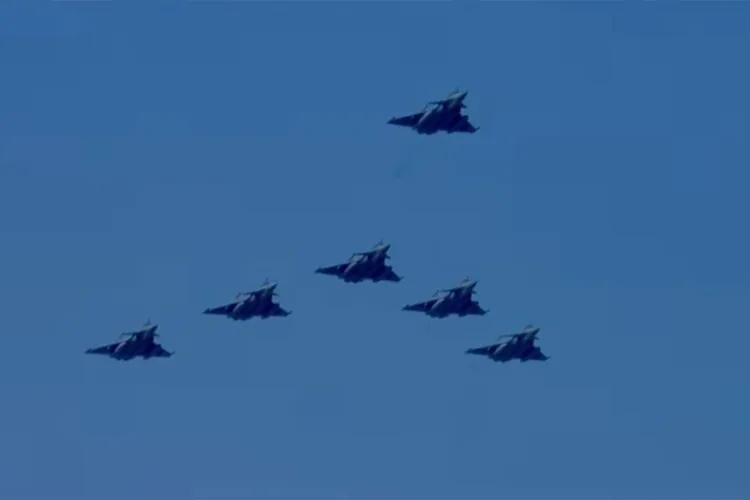
The Ministry of Defence (MoD) has released the draft Defence Acquisition Procedure (DAP) 2026, proposing sweeping reforms to streamline procurement, promote indigenisation and strengthen India’s defence manufacturing ecosystem.
The draft, which will replace the 2020 version of the DAP after stakeholder consultations, seeks to accelerate acquisition timelines, reduce import dependence and reinforce the government’s push for self-reliance in defence production.
According to the MoD, the proposed framework aims to simplify procurement processes, enhance indigenous content requirements and introduce new acquisition models to support domestic industry and emerging technologies.
One of the key changes is the reduction of procurement categories from five to four, alongside a clearer definition of “indigenous design” to encourage higher levels of domestic development and manufacturing.
Under the Buy (Indian–Indigenous Design, Development and Manufacture) category, the minimum indigenous content requirement has been increased from 50 per cent to 60 per cent. The draft also provides additional incentives for projects achieving higher levels of localisation.
To strengthen technical evaluation, the draft proposes the involvement of subject matter experts in finalising Services Qualitative Requirements (SQRs) and overseeing trial processes. It also introduces Long-Term Bulk Acquisition to provide industry with greater demand visibility, and a Low-Cost Capital Acquisition route for rapidly evolving, lower-cost technology items.
A Technology Readiness Level (TRL)-based classification system has been incorporated to better align procurement decisions with product maturity. The draft allows ab-initio single-vendor cases under the Buy (Indian–IDDM) category for equipment with TRL levels between 6 and 9.
Two-stage trials have been introduced to improve assessment efficiency, while the Fast Track Procedure has been refined with delegated powers for procurement involving emerging technologies and shorter development cycles.
The draft also proposes compensation for vendors who successfully complete trial evaluations. Additionally, the process for selecting Development-cum-Production Partners (DcPP) for DRDO projects has been reviewed to ensure fair competition.
Updates to the Make and iDEX frameworks include provisions for spiral development and an assurance of five years of orders to provide greater stability for innovators. The services will also have the option to determine the Quality Assurance trial mode to expedite procurement.
Further, the draft mandates timeline monitoring beginning at the Request for Information (RFI) stage and encourages concurrent processing of activities to shorten overall acquisition cycles.
READ MORE: When Zafar Sareshwallah offered namaz in RSS headquarter
The draft DAP 2026 has been placed on the MoD’s official website for public consultation, with stakeholders invited to submit comments and suggestions.









.webp "Union Home Minister Amit Shah")
.webp "Union Minister of Parliamentary Affairs Kiren Rijiju")
.webp)

.webp)

_(1).webp)